

If you have heart disease, your doctor might tell you, eat more vegetables. A tactic that has limited success.
“Getting people to change their diets is actually pretty hard. These are lessons I would give over and over again. And I would think, ‘Why is this so hard to do?’”
Jennifer L. Smith is a nurse researcher at the University of Kentucky who now has a preliminary answer about why change is so hard: it might depend on your genes. Specifically, whether or not you’re genetically predisposed to perceive bitterness—and therefore bitter veggies.
On supporting science journalism
If you're enjoying this article, consider supporting our award-winning journalism by subscribing. By purchasing a subscription you are helping to ensure the future of impactful stories about the discoveries and ideas shaping our world today.
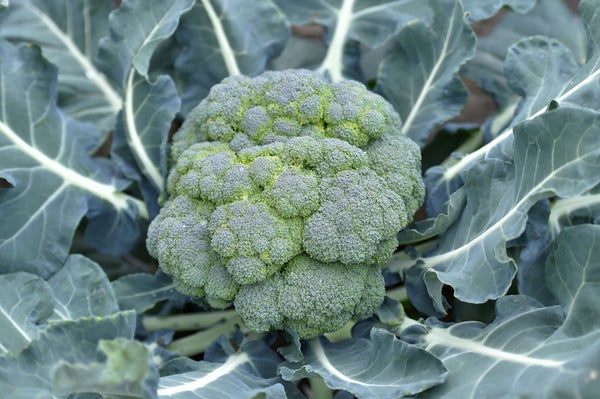
“So broccoli is definitely one of them. They tend to be cruciferous vegetables, like broccoli, cauliflower, cabbage, brussels sprouts, asparagus."
If you ever took that test in science class where you put a piece of paper on your tongue to see if it tastes bitter, you might already know your bitter status.
Smith took saliva samples from 175 adults known to be at risk of cardiovascular disease. She then did a genetic test to determine whether they had a copy of a bitter-taste gene variant. She also had them fill in a questionnaire about their eating habits.
After controlling for factors like age, gender, income, and so on, Smith found that people with a copy of the bitter-sensitive gene variant were just 40 percent as likely to report eating a lot of veggies as were the folks without the gene variant.
She’s presenting the results this week at the American Heart Association Scientific Sessions in Philadelphia. [Jennifer L. Smith et al., TAS2R38 haplotype predicts vegetable consumption in community dwelling adults at risk for cardiovascular disease]
If these findings hold up to more testing, Smith says, perhaps doctors could advise patients with this gene variant to avoid the most offensively bitter veggies but to try the others. Or perhaps certain herbs and spices might counteract the bitterness, she says.
Of course, chefs already figured this out with cheesy broccoli. But for heart patients, the better flavor might not be a favor.
—Christopher Intagliata
[The above text is a transcript of this podcast.]
