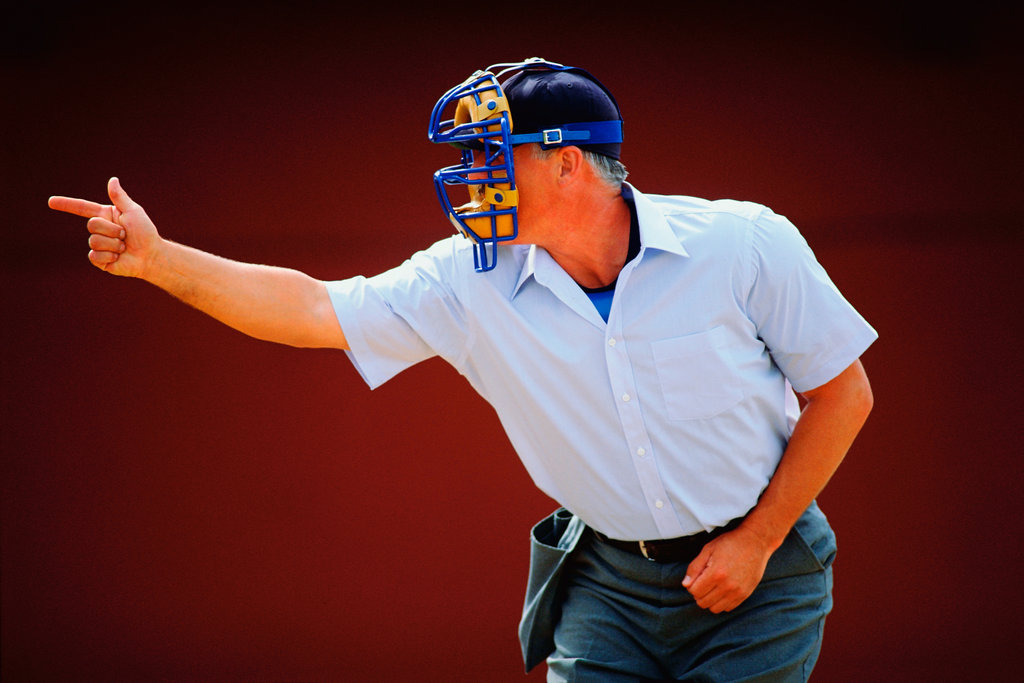

“I think there will come a time when we will experiment with an automated strike zone.”
Rob Manfred, the commissioner of Major League Baseball. Manfred spoke February 27th at the SportTechie State of the Industry conference at the Barclays Center in Brooklyn. As the name suggest, SportTechie deals with the intersection of sports and technology. Back to Manfred on the automated strike zone:
“The technology has gotten much, much better. We are much closer to being able to do that. But the way I always answer this question, and it remains my answer, is whether you have the technology or not, I think this is one of those areas where you have to think about the management of the game on the field. The source of authority for umpires…or one of the sources for their authority is that call a ball or strike on every single play in a baseball game. And before you alter that fundamental dynamic you really have to think through what the consequences of that’s going to be.”
On supporting science journalism
If you're enjoying this article, consider supporting our award-winning journalism by subscribing. By purchasing a subscription you are helping to ensure the future of impactful stories about the discoveries and ideas shaping our world today.
Manfred also addressed the question of whether baseball analytics have gone too far. I can’t get enough baseball data, but I know some fans think that all the numbers, and the reliance on them for decision-making, are taking some of the fun out of the game.
“I don’t waste a lot of time on the question of whether there is a point where analytics goes too far. And the reason I don’t is, it doesn’t matter whether I think it’s going too far or not, or even objectively whether it’s gone too far. The fact of the matter is, that’s how people are thinking about the game. That’s how they’re analyzing the game, it’s going to happen…you just can’t tell people, I know you have available to you a way to determine with a lot of accuracy how good Rob Manfred is gonna be for the next five years before you sign him. But you know what? We don’t really like that outcome, so we don’t want you to think about it. I mean, that’s not the real world.”
The Major League Baseball season starts March 20th in Tokyo, where the Seattle Mariners will take on the Oakland A’s.
—Steve Mirsky
[The above text is a transcript of this podcast.]