

Here's the gamble: 20 bucks guaranteed…or a 50–50 chance of winning 60 bucks?
Which would you choose?
The answer might actually be evident in a brain scan, according to a study in which researchers posed actual terms like that to 108 young adults—and the stakes were real. The initial choice and then the outcome if they picked the bet determined how much they'd walk away with, after the study. The research is in the journal Neuron. [Wi Hoon Jung et al., Amygdala Functional and Structural Connectivity Predicts Individual Risk Tolerance]
On supporting science journalism
If you're enjoying this article, consider supporting our award-winning journalism by subscribing. By purchasing a subscription you are helping to ensure the future of impactful stories about the discoveries and ideas shaping our world today.
"It does work out in our favor that people are risk averse because it means on average we're going to be paying people less." Joe Kable, a psychologist and neuroscientist at the University of Pennsylvania. After he and his team recorded the subjects' appetite for risk, they scanned their brains using various techniques that visualize anatomy and real-time activity.
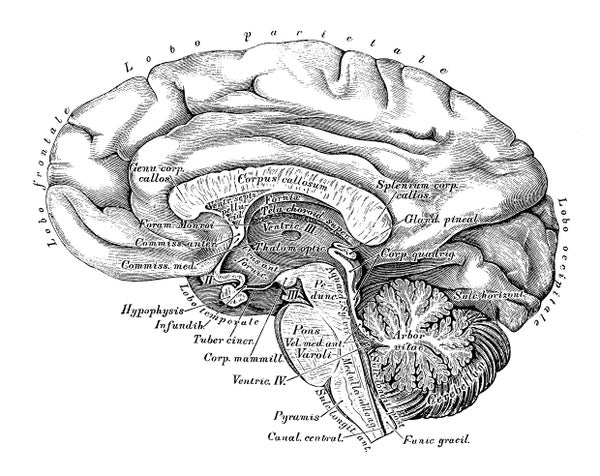
And they found that individuals who were willing to throw the sure-thing $20 away for the chance of a higher payout were more likely to have larger amygdalas—that’s a region associated with processing fear, and weighing risk versus reward. They also saw in the gamblers' brains more synchronized activity between the amygdala and another region, called the medial prefrontal cortex. But there were fewer physical, white matter, connections between those two regions. Which might seem paradoxical.
"To a first pass intuition you might expect, well, shouldn't these two be going together?" But Kable explains that even though you start out life with lots of those white matter connections, they tend to get trimmed and refined during development. So fewer physical connections between regions could actually indicate a more mature, more developed synchronization of activity between them.
"It's possible within the population that we see of healthy young adults, a more pruned structural connection between the amygdala and the medial prefrontal cortex is indicative of a more developed connection and one that might be more effective or efficient, and thus lead to greater communication between the two areas."
This type of scanning to predict behavior is in its infancy now. But down the line? "I can imagine it being used to help steer people to what the right place to put their money is when they're investing." And the study also hints at the fact that brain scans might reveal a lot more about your attitudes and your behavior than you might think. A good thing to keep in mind.
—Christopher Intagliata
[The above text is a transcript of this podcast.]
