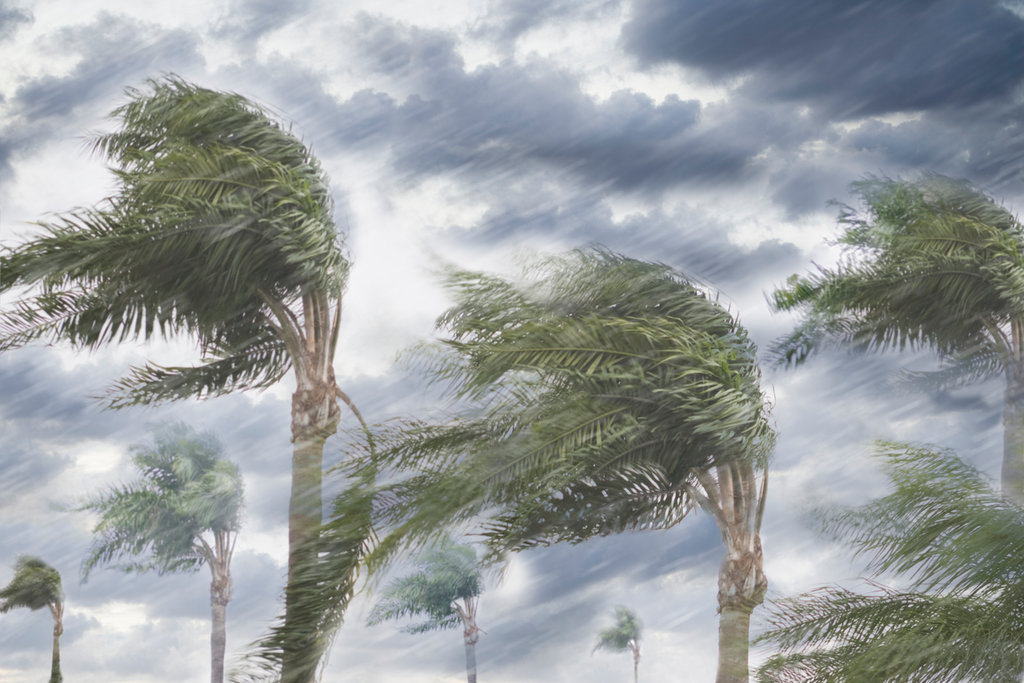

On September 20th, 2017, a huge storm, Hurricane Maria, made landfall on Puerto Rico. While the initial estimates suggested around 60 people lost their lives as a result of this horrific hurricane, the official figure was later raised to the thousands.
“We’ve all seen it on the news, right, we all watched or heard about how people didn’t have power for a month after, three months, six months, a year after—apparently there are still some people on the island who still don’t have power.”
David Keellings, a geographer at the University of Alabama. With a cost to America of $90 billion, Hurricane Maria was the third most financially destructive in U.S. history. But just how unusual was its intensity? Keellings set out to compare Maria to all the other storms that have hit Puerto Rico since records began in 1956.
On supporting science journalism
If you're enjoying this article, consider supporting our award-winning journalism by subscribing. By purchasing a subscription you are helping to ensure the future of impactful stories about the discoveries and ideas shaping our world today.
“Maria is more intense than any other of those other 128 storms that we have on the record. It’s dropped more rainfall than any one of those storms and to a significant amount—about 30 to 60 percent more rainfall than any other storm in history in Puerto Rico.”
So the question is, could climate change have played a role in this devastating record rainfall? While it’s not possible to say a single storm is causedby climate change, it is possible to investigate whether climate change made a storm more likely—and this is exactly what Keellings investigated. He calculated how likely Maria was to take place in today’s climate and in a world where we hadn’t altered the global climate as much.
“So we dialed back global temperatures to the '50s, we dialed back CO2 to the '50s, we dialed back cloud cover to the 1950s, and then we calculate the probability of Maria again. And then we compare those two probability estimates. And when we do that, we find that Maria and Maria’s precipitation in particular is about five times more likely now in the climate of today versus the climate of the 1950s. And that five times increase in likelihood is directly attributable to long-term climate change.”
[David Keellings and José J. Hernández Ayala, Extreme Rainfall Associated With Hurricane Maria Over Puerto Rico and Its Connections to Climate Variability and Change, in Geophysical Research Letters]
More and more research is finding links between extreme weather events and climate change, demonstrating that we’re already feeling the impacts of global warming today.
But Keellings points out that we shouldn’t be surprised to find climate change’s fingerprints on storms like Maria. After all, for decades researchers have predicted that by changing the climate we would make hurricanes more intense.
“This is something that we’ve known for a long time. But to now be actually able to say through these attribution-type studies that, hey, this is what we expect theoretically, and guess what, this is what the observations are showing us—that’s I think something that’s really powerful.”
—Adam Levy
(The above text is a transcript of this podcast)