

It's an idea straight out of Star Wars: suck the humidity from dry desert air, and turn it into drinking water.
<<Star Wars: Episode IV—A New Hope: "What I really need is a droid who understands the binary language of moisture vaporators.Vaporators? Sir, my first job was programming binary load lifters—very similar to your vaporators in most respects.">>
Very similar to the vaporators in Star Wars's moisture farms, scientists have now used a box of gunmetal gray powder to pry moisture from the dry Arizona air by night…and deliver drinking water the next day.
On supporting science journalism
If you're enjoying this article, consider supporting our award-winning journalism by subscribing. By purchasing a subscription you are helping to ensure the future of impactful stories about the discoveries and ideas shaping our world today.
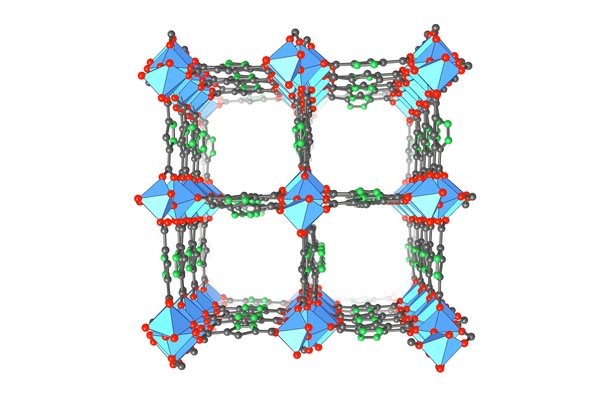
The powder is consists of tiny structures called metal organic frameworks, which contain even tinier pores to grab water.
"The water goes in and the first ones go in and make the pores more polar and so more water comes in."
Omar Yaghi, a chemist at U.C. Berkeley.
The powder-filled box is built inside yet another box. At night the larger box is left open, but when it's closed in the morning, it helps trap heat—and evaporated water—inside. The water then condenses inside the larger box and trickles down to be collected—no cooler or power source needed.
The finding by Yaghi and colleagues is in the journal Science Advances. [Farhad Fathieh et al., Practical water production from desert air]
It would take many truckloads of powder to sustain a community—every pound of the zirconium-based metal organic framework used here only squeezes three ounces of water from the air per day. But Yaghi is testing a much cheaper, more efficient aluminum-based powder. Which might just bring us a little closer to Tatooine. Technologically.
—Christopher Intagliata
[The above text is a transcript of this podcast.]
