

Rome wasn’t built in a day. And neither was the Roman subway system. Underground work is slow going, because construction crews often unearth mosaics, frescos, marble. And a few years ago, they found the wooden foundations of a luxurious porch from a Roman villa.
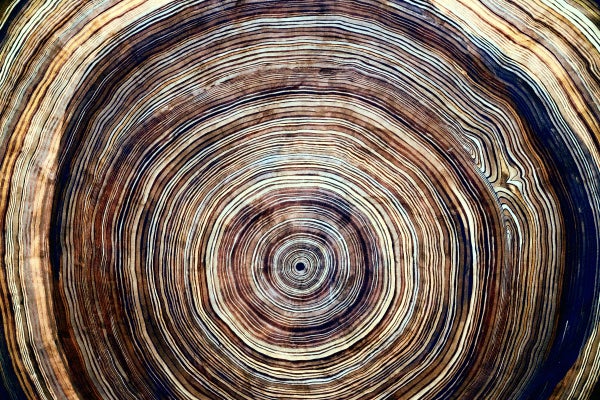
So local archaeologists called in Mauro Bernabei of the National Research Council of Italy. He’s a dendrochronologist: someone who analyzes tree rings, which give age and environmental info.
“We have to study wood because it’s full, really full, of information!”
On supporting science journalism
If you're enjoying this article, consider supporting our award-winning journalism by subscribing. By purchasing a subscription you are helping to ensure the future of impactful stories about the discoveries and ideas shaping our world today.
Bernabei and his team found that the wooden planks were oak. But the wood’s origin was harder to determine. So they compared the tree rings in the oak planks to those available in libraries of tree rings that contain timber from all over Europe. And they found a match for the Roman lumber—from the Jura region of eastern France, more than 600 miles away.
The researchers also determined that the French timber was harvested in about 40 to 60 C.E. And some of it came from trees already up to 300 years old when they were felled. The details are in the journal PLOS ONE. [Mauro Bernabei et al., Dendrochronological evidence for long-distance timber trading in the Roman Empire]
The discovery is the first definitive evidence of oak from north of the Alps being used to build ancient Rome. And it’s a reminder that the Romans had a sophisticated trading network. These logs, for example, likely floated down two rivers, across the Mediterranean and up another river to Rome.
Bernabei says Roman archaeologists usually destroy ancient wood—it’s not as prized as jewelry and vases and mosaics. But he’s hoping this study might change their minds.
“Save the wood, yes! And call me,if you don’t want to save—please, call me!”
—Christopher Intagliata
[The above text is a transcript of this podcast.]

