
One of the ugliest sights in Great Britain is a small power station outside Plymouth, England, its electrical lines and towers surrounded by a drab-colored fence. I know this not because I've been there—but because a photo of it has scored a measly 1 out of 10 on an online game called Scenic or Not. The game has viewers rate photos from all over the U.K. on their scenic beauty.
After a million and a half ratings of more than 200,000 photos, the site has classified more than 93 percent of Great Britain as scenic, or not, or somewhere in between. And now, a study in the journal Scientific Reports has used that data to show that our happiness increases in line with the scenic beauty around us. Which might sound kind of obvious. [Chanuki Illushka Seresinhe et al, Happiness is Greater in More Scenic Locations]
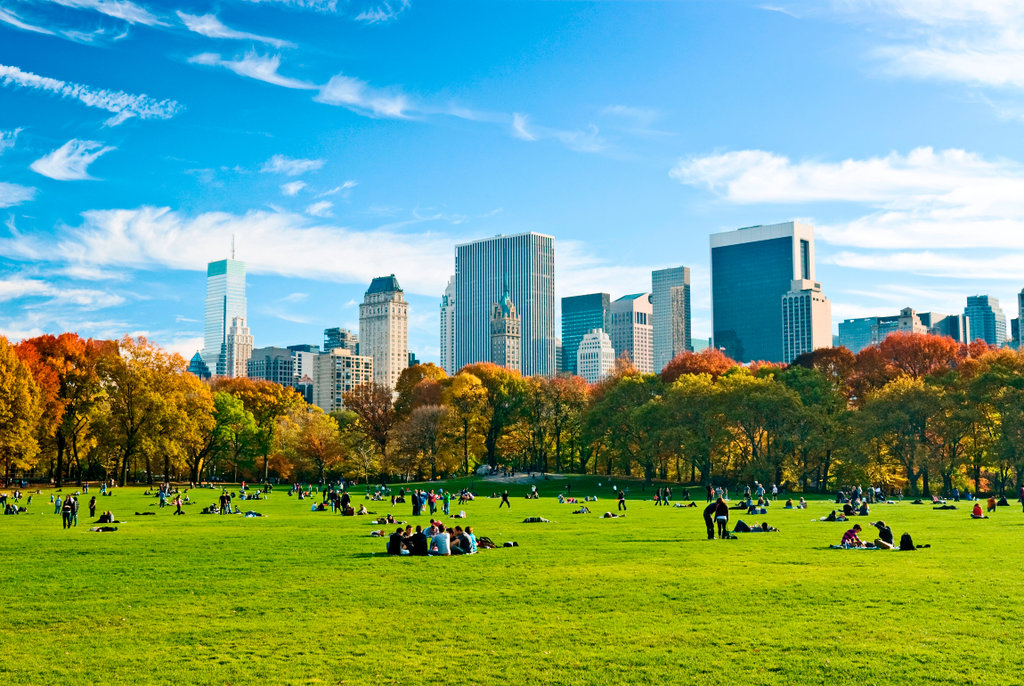
"But what was I think surprising is we find that connection when they're in more built-up areas as well. So it's not just a natural area that might have an impact on happiness, but we might also feel happier in more beautiful areas in our cities."
On supporting science journalism
If you're enjoying this article, consider supporting our award-winning journalism by subscribing. By purchasing a subscription you are helping to ensure the future of impactful stories about the discoveries and ideas shaping our world today.
Chanuki Seresinhe is a data scientist at the Warwick Business School and the Alan Turing Institute. Seresinhe and her team used data from the "Mappiness" iPhone app—which polled some 15,000 participants about their wellbeing a few times a day, over a three-year period. The app also pulled GPS data, which allowed Seresinhe and her team to correlate happiness ratings with the Scenic-or-Not rating of where a participant happened to be. The team found that as scenic beauty goes up, so does self-reported wellbeing. And that held true for areas featuring picturesque human-built structures, such as bridges and interesting architecture.
And though it's just a correlation for now, "I think what's interesting about this research is it shows that just a small injection of beauty into an area of a city can create happiness for possibly thousands of people that are being exposed to that."
Which could come in handy. Because the global population is forecast to grow to 11 billion by the end of the century—living mostly in cities. Which should be built to be as appealing as possible.
—Christopher Intagliata
[The above text is a transcript of this podcast.]