

Hi, I’m Scientific American podcast editor Steve Mirsky, and here’s a short piece from the April 2019 issue of the magazine, in the section called Advances: Dispatches From The Frontiers Of Science, Technology And Medicine.
The article is titled "Quick Hits," and it’s a rundown of some science and technology stories from around the globe compiled by editorial contributor Jim Daley.
From Greenland: Scientists have found the massive ice sheet covering Greenland is melting almost four times faster than it was in 2003. The gigantic hunk of ice could become a major contributor to sea level rise in coming decades.
On supporting science journalism
If you're enjoying this article, consider supporting our award-winning journalism by subscribing. By purchasing a subscription you are helping to ensure the future of impactful stories about the discoveries and ideas shaping our world today.
From Hawaii: A 14-year-old Hawaiian snail named George, believed to be the last of its species, has died. The archipelago's population of land snails—which was once incredibly diverse—has substantially declined, with perhaps 75 percent of more than 750 species now gone.
From Guyana: The Guyanese government signed an agreement with the European Union to curb illegal logging, improve forest management and expand the South American nation's legal timber industry, which exports to the E.U.
From Australia: Overuse of water from the Murray-Darling River system sparked a massive die-off of fish in the Down Under state of New South Wales. An estimated 100,000 to one million fish suffocated because the river levels were too low to flush out farm runoff. This led to algal blooms that resulted in bacterial proliferation, which caused a drop of oxygen.
From Liberia: Health officials announced that they found the Ebola virus in a bat in West Africa for the first time. Previously it had been found only in bats in Central Africa. The discovery could help reveal how the virus jumps to humans.
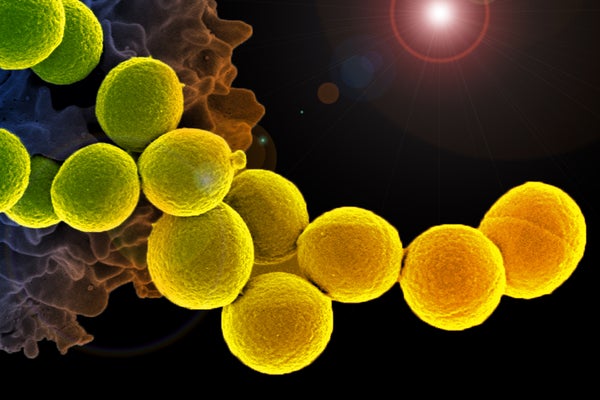
And from Northern Ireland: Bacteria in a soil sample from Northern Ireland effectively halt the growth of four types of antibiotic-resistant “superbugs,” including methicillin-resistant Staphylococcus aureus (MRSA). Researchers say the discovery is an important step in the battle against such resistant bacteria.
