
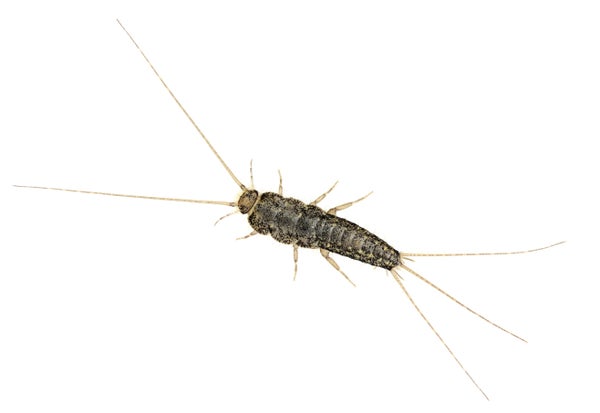

Interested in studying exotic life forms…maybe even identifying new species? Well, forget about buying a plane ticket. Just take a look in your basement, bathroom, or boudoir. Because researchers in North Carolina aim to document the critters that live among us in the Great INDOORS.
Ten years ago, biologists led by Rob Dunn at North Carolina State began to explore the biodiversity of insects in 50 homes in the Raleigh area. Though they expected to uncover a couple dozen bugs, they turned up more than a thousand distinct species. And when they expanded their studies to other cities, they found lots more…some entirely new to science.
Now they’re enlisting an intrepid brigade of citizen scientists to carry the work further. That means you. Simply explore your immediate environment. Poke around under the sink, behind the curtains, the back of the pantry. And snap a pic of what you find. Then upload your images to the social networking app iNaturalist. The observations you post will be shared with a global community of experts who can identify the creepy crawlies you’ve encountered.
On supporting science journalism
If you're enjoying this article, consider supporting our award-winning journalism by subscribing. By purchasing a subscription you are helping to ensure the future of impactful stories about the discoveries and ideas shaping our world today.
To participate in Dunn’s effort, just tag your image to his project, which is titled: Never Home Alone: The Wild Life of Homes.
And if you happen to be in Raleigh on November 15, pop by the celebration the publication of the book Never Home Alone…in which Dunn reveals what he and his colleagues have discovered so far. There, Dunn will present the 20 people who identify the most indoor animal species a trophy adorned with a bedbug. Not a real bedbug. I assume.
—Karen Hopkin
[The above text is a transcript of this podcast.]
