Mind & BrainNovember 24, 2015
What Makes Our Brains Special?
Some say not much, but new research sheds light on the uniqueness of the human brain
What Makes Our Brains Special?
Some say not much, but new research sheds light on the uniqueness of the human brain

Rude Behavior Spreads Like a Disease
Scientists study the contagion of obnoxiousness

The Surprising Benefits of Sarcasm
Sarcastic comments boost creativity, a study finds
The Neural Activity Patterns That Make Us Hallucinate
Hallucinations may arise from both imprecise sensory information and cognitive bias

Why We Are Attracted to Deviant Personalities
New research finds that heterosexual people with pathological personalities have better success finding mates
How Do You Solve a Problem Like an Earworm?
Chewing gum is just one way to drive that annoying jingle from your brain
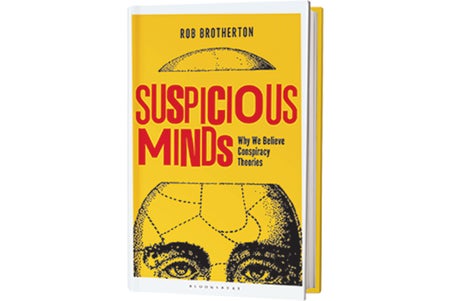
Book Review: Suspicious Minds
Recommendations from Scientific American
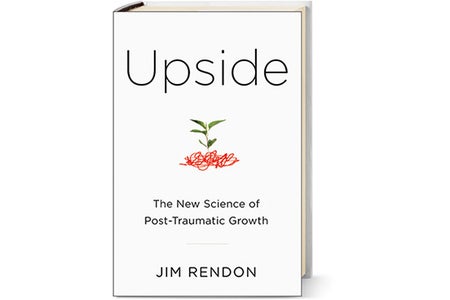
Scientific American MIND Reviews Upside
Jim Rendon’s book explores “The New Science of Post-Traumatic Growth”
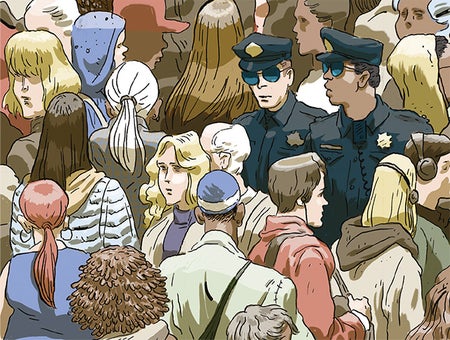
Remaking an Urban Police Force
In crime-battered Camden, N.J., new training aims to reshape the relationship between police and community
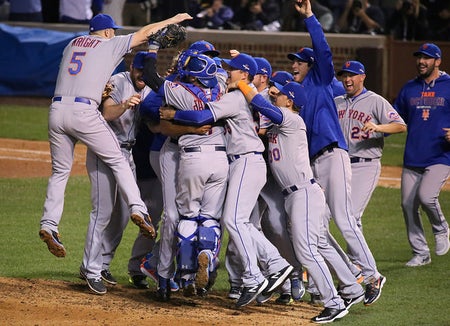
What Does Success Mean For Long-Suffering Sports Fans? An Identity Crisis, say Researchers
Psychologically, does it mean anything for fans accustomed to defining themselves as “not the Yankees” to suddenly start winning?

Cultural Goofs Gear Up Gray Matter
People exposed to incongruent situations, such as Halloween-themed plates at a Labor Day picnic, performed better on cognitive-reasoning tests and were less likely to make impulse purchases or overeat
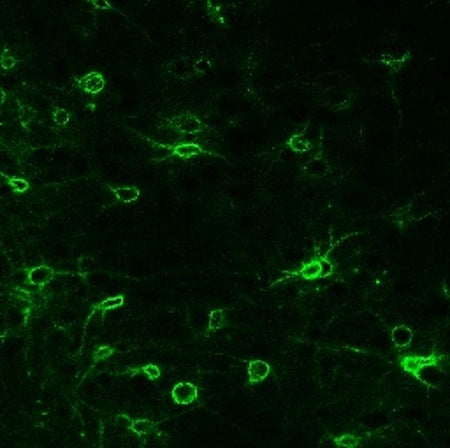
Why Binge Drinking May Wire the Brain for Alcohol Dependence
After surviving a series of benders, neural circuits get locked into a firing pattern that compels alcohol seeking