
PsychologyOctober 16, 2024
Numbers Are Persuasive—If Used in Moderation
Despite high levels of innumeracy and math anxiety, people often appreciate numeric data
Numbers Are Persuasive—If Used in Moderation
Despite high levels of innumeracy and math anxiety, people often appreciate numeric data

Why Disasters Like Hurricanes Milton and Helene Unleash So Much Misinformation
Falsehoods spread when uncertainties—and emotions—are high after hurricanes


Combating Misinformation Runs Deeper Than Swatting Away ‘Fake News’
“Fake news”-style misinformation is only a fraction of what deceives voters. Fighting misinformation will require holding political elites and mainstream media accountable

Milgram’s Infamous Shock Studies Still Hold Lessons for Confronting Authoritarianism
Why ordinary people will follow orders to the point of hurting others remains a critical question for scientists—though some answers have emerged

Moral Judgments May Shift with the Seasons
Certain values carry more weight in spring and autumn than in summer and winter
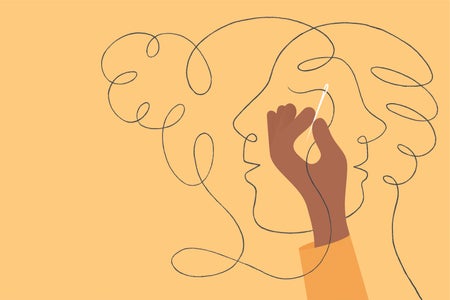
Being Empathetic Is Easier when Everyone’s Doing It
Research is revealing the key to motivating empathy—and making it stick
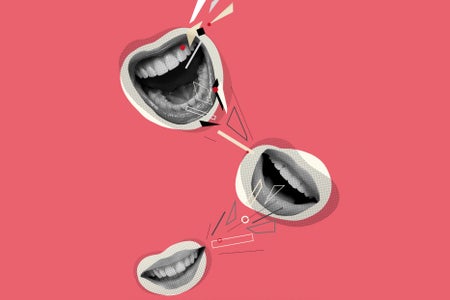
The Surprising Benefits of Gossip
Social scientists are uncovering the intricate group dynamics of gossip
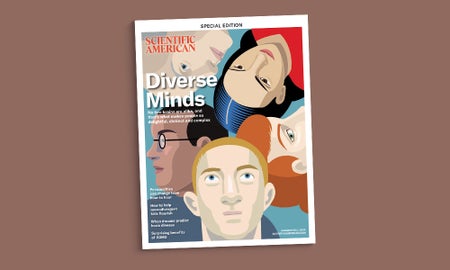
Different, Together
One person’s reality is purely theirs and often unique

Buy Experiences instead of Possessions to Build Social Connection
Shared experiences, more than material things, bring people together

Science Improves When People Realize They Were Wrong
Science means being able to change your mind in light of new evidence
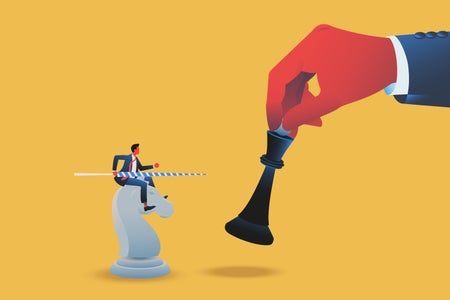
Trump’s ‘Gish Gallop’ Debate Tactic Comes from Creationists
A dishonest creationist debating tactic shouldn’t go unchallenged in American life. Or in national politics
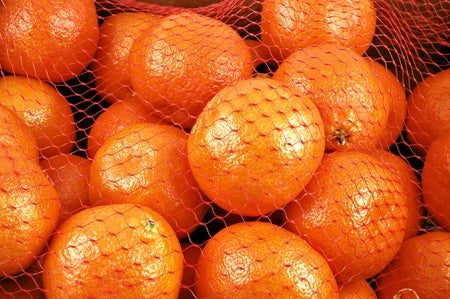
The ‘Confetti Illusion’ Makes Fruit Appear Riper Than It Really Is
Fruit seems riper when it is wrapped in a net that matches its optimal color, such as a really orangey orange