
EnvironmentApril 12, 2011
Is Fukushima really as bad as Chernobyl?
On April 26, 1986, the world's worst nuclear disaster took place. How has the area recovered, and what lessons does it hold?
Is Fukushima really as bad as Chernobyl?
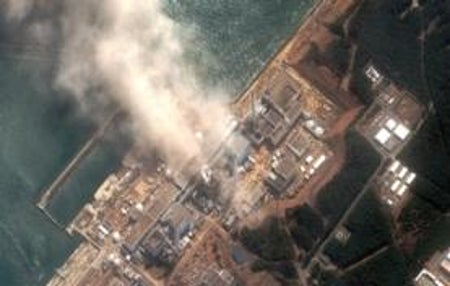
The Japan Nuclear Crisis: What You Need to Know
The situation at the Fukushima Daiichi nuclear power plant changes daily. This list provides a compilation of our most essential coverage of the reactor and the radiation threat. Last updated April 12, 2011
Chernobyl Opens for Tourism
Next month marks Chernobyl's 25th anniversary, and the site is now accepting tourists. Christie Nicholson reports
25 Years After: Scenes from Chernobyl--The Worst Nuclear Accident in History [Slide Show]
On the eve of the 25th anniversary of the nuclear disaster at the Chernobyl power plant in Ukraine, Scientific American frequent contributor Charles Q. Choi traveled to the site and snapped these haunting images
Fukushima Will Be a Wasteland
Scientific American's David Biello judges Fukushima to have reached Chernobyl proportions. Steve Mirsky reports
Nuclear Cover Up: World's Largest Movable Structure to Seal the Wrecked Chernobyl Reactor
To safely enclose and robotically dismantle the 25-year-old makeshift confinement sarcophagus at Chernobyl, contractors are now erecting a massive steel structure weighing more than 29,000 metric tons
Radiation's Complications: Pinning Health Problems on a Nuclear Disaster Isn't So Easy
Radioactive fallout seems like the obvious culprit behind the negative medical consequences that arose after the explosion at Chernobyl, but it's hard to measure even the dosage those contaminated received, let alone link it to medical problems
How Radiation Threatens Health
As worries grow over radiation leaks at Fukushima, is it possible to gauge the immediate and lasting health effects of radiation exposure? Here's the science behind radiation sickness and other threats facing Japan
Does Potassium Iodide Protect People from Radiation Leaks?
Drugmakers are claiming to be running out of the thyroid cancer preventative, but depending on age and other circumstances, its usefulness is limited
What Happens During a Nuclear Meltdown?
Nuclear reactors at the Fukushima Daiichi station in Japan are critically endangered but have not reached full meltdown status. Our nuclear primer explains what that means and how the situation compares with past nuclear accidents
The worst nuclear plant accident in history: Live from Chernobyl
Failure of imagination can be deadly: Fukushima is a warning
Beware the fear of nuclear....FEAR!
Scientific meltdown at Chernobyl?
Atomic Weight: Balancing the Risks and Rewards of a Power Source
Nuclear power--like most forms of electricity generation--carries inherent risks. Is it worth the minor chance of a major catastrophe?
Bering Sea, radiation, historic tortoise.
In this episode, science writer Karen de Seve shares her adventures in the Bering Sea; journalist Dr. John Miller talks about a radiation health conference; and taxonomist and paleontologist Scott Thomson discusses the late Harriet the tortoise. Plus we'll test your knowledge about some recent science in the news. Organizations and websites mentioned on this podcast include the Liberty Science Center, www.lsc.org; Karen de Seve's blog, http://beringsea.blogspot.com; the American Statistical Association, www.amstat.org; Wikipedia, http://en.wikipedia.org/wiki/Harriet; and the Scientific American Digital Archive, www.sciamdigital.com.