Alzheimer's DiseaseSeptember 16, 2025
New Hope in Alzheimer’s Research: A Special Report
Breakthrough therapies, new diagnostics and preventive measures for fighting a devastating disease
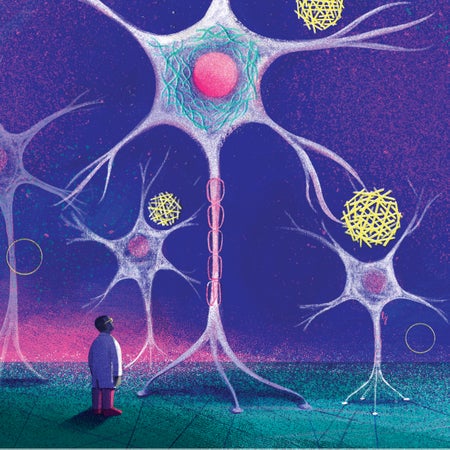
The outlook on the prevention, diagnosis and treatment of Alzheimer’s disease is brighter than ever. Backed by decades of research, the field is beginning to see tangible success in moving basic biological insights into actual diagnostics and therapeutics.

Articles in this report were published editorially independently. The collection was made possible by the support of Eisai.
Luisa Jung
New Hope in Alzheimer’s Research: A Special Report
Breakthrough therapies, new diagnostics and preventive measures for fighting a devastating disease

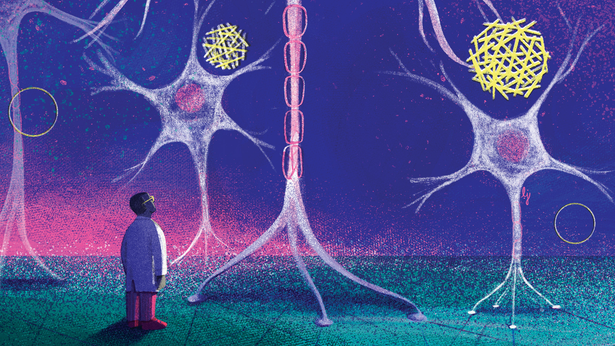
Can diet and exercise really prevent Alzheimer’s?
Early studies suggest that lifestyle changes such as diet, exercise and social engagement may help slow or prevent Alzheimer’s symptoms—but the evidence is inconsistent, and many doctors remain cautious
Smoldering Alzheimer’s disease
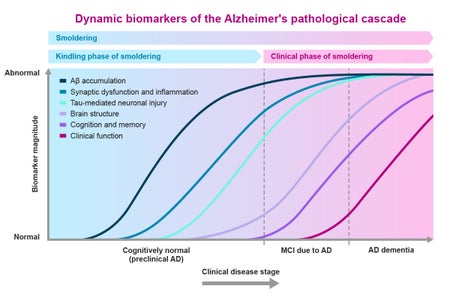
“Smoldering” describes a group of processes that drive chronic disease progression, and introduces a fresh perspective to the complex interplay of Alzheimer’s disease pathology.
Alzheimer’s drugs are finally tackling the disease itself. Here’s how
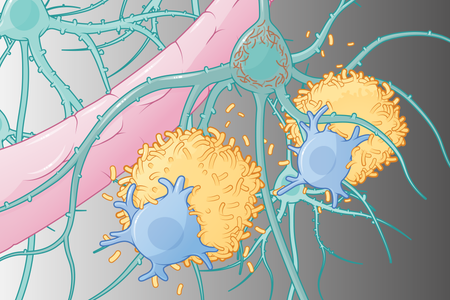
While our understanding of Alzheimer’s disease is far from complete, the latest therapies, and others in more than 100 clinical trials, offer new hope

Controversial new Alzheimer’s drugs offer hope—but at a high cost
New Alzheimer’s drugs known as anti-amyloid therapies may slow disease progression—but they also carry serious risks, including brain bleeds and strokelike symptoms
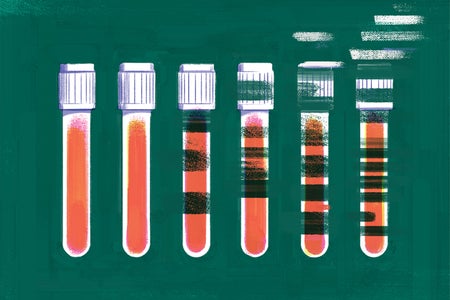
The vexing promise of new blood tests for Alzheimer’s
A new generation of Alzheimer’s blood tests could speed up diagnosis and access to care—but they also raise thorny questions about prediction, treatment and uncertainty
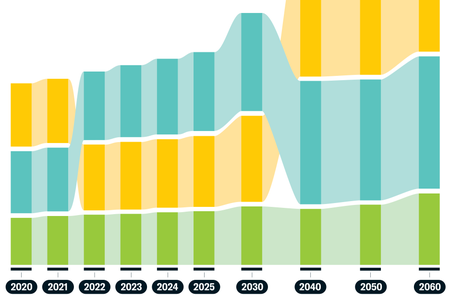
Can we fix America’s dementia care crisis before it’s too late?
More than 13.8 million Americans could have Alzheimer’s by 2060, and at the rate care facilities are closing, many of them will have nowhere to go. Regina Shih of the State Alzheimer’s Research Support Center (StARS) wants to help solve that problem

The Hidden Link between Racism and Alzheimer’s Risk
Black Americans face a significantly higher risk of Alzheimer’s and other dementias than white Americans. Researchers are working to find out why that is and how to intervene