SleepMarch 8, 2023
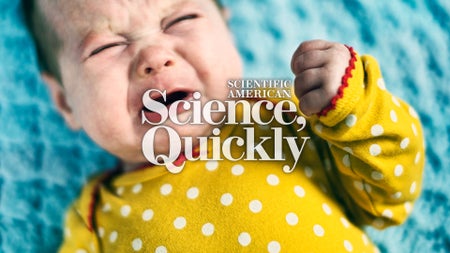
The Scientific Secret to Soothing Fussy Babies
Some animals’ babies physically relax when their parents whisk them away from danger. The same thing works for tiny, wailing humans.
The Scientific Secret to Soothing Fussy Babies
Some animals’ babies physically relax when their parents whisk them away from danger. The same thing works for tiny, wailing humans.
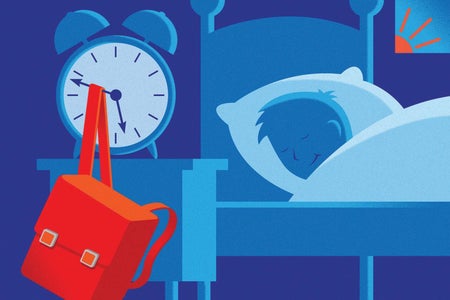
Let Teenagers Sleep
Despite years of evidence that starting school later promotes better health and improved grades, too few schools have adopted this measure

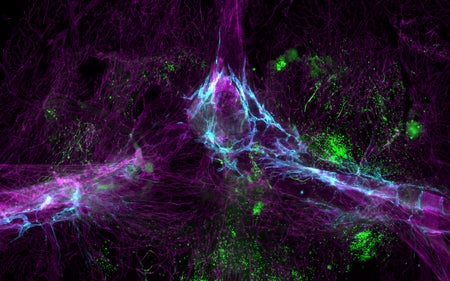
Guardians of the Brain
The nervous and immune systems are tightly intertwined. Deciphering their chatter might help address many brain disorders and diseases
Readers Respond to the April 2022 Issue
Letters to the editor for the April 2022 issue of Scientific American
It Goes by the Name ‘Bedtime Procrastination,’ and You Can Probably Guess What It Is
Putting off sleep can have unfortunate consequences

Should We Make Daylight Saving Time Permanent? Let’s Sleep on It
Scientists are less enthusiastic than the U.S. Senate about DST year-round
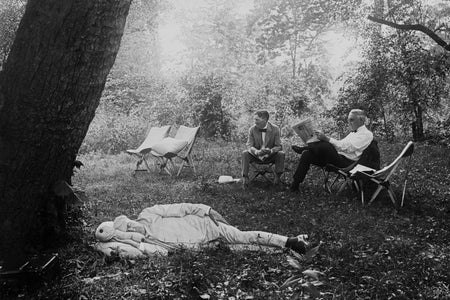
Spark Creativity with Thomas Edison’s Napping Technique
Waking yourself from the twilight state just before sleep may help you to solve a challenging problem, a study shows
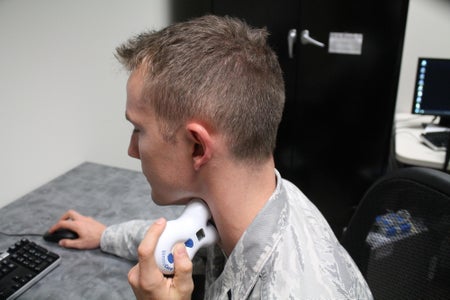
Neck-Zapping Gadget Reduced All-Nighter Fatigue in New Study
And the benefits of two four-minute sessions persisted for hours
People Answer Scientists’ Queries in Real Time while Dreaming
Researchers demonstrate that during REM sleep, people can hear—and respond to—simple questions such as “What is eight minus six?”
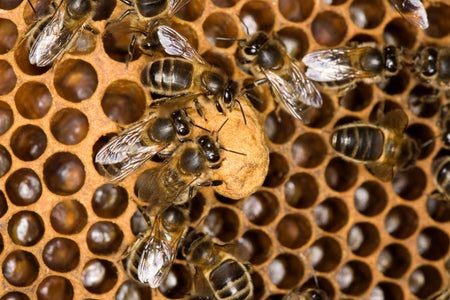
Baby Bees Deprive Caregivers of Sleep
Bee larvae and pupae appear to secrete a chemical that does the work of a late-night cup of coffee for their nurses.
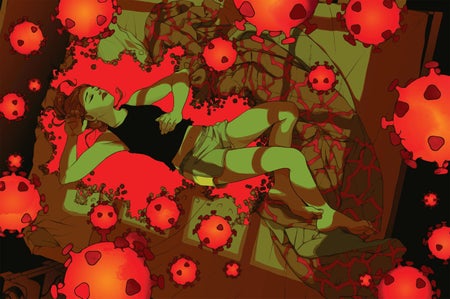
The COVID-19 Pandemic Is Changing Our Dreams
Anxiety about social distancing and infection is altering how much we dream and the nature of our dreams themselves

If You Don’t Sleep, You Will Go Insane
Originally published in March 1880