HistoryApril 16, 2024
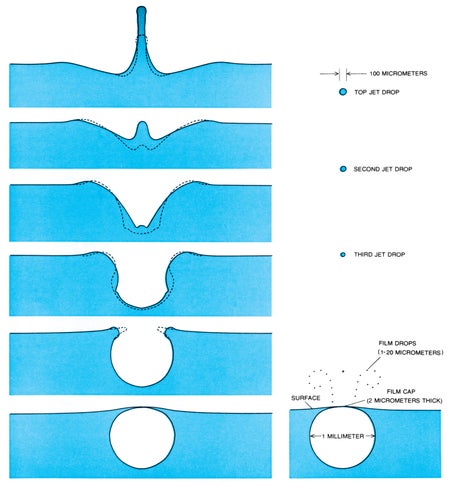
May 2024: Science History from 50, 100 and 150 Years Ago
Pavlov’s dogs; Mercury’s dark side
May 2024: Science History from 50, 100 and 150 Years Ago
Pavlov’s dogs; Mercury’s dark side
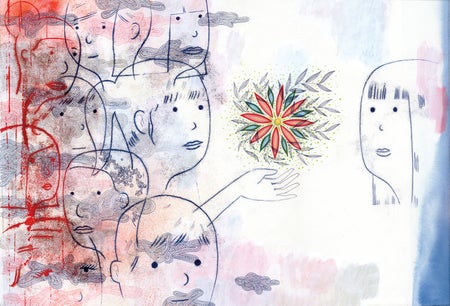
The Science of Reducing Prejudice in Kids
Making schools more welcoming for all can make for a fair and just society

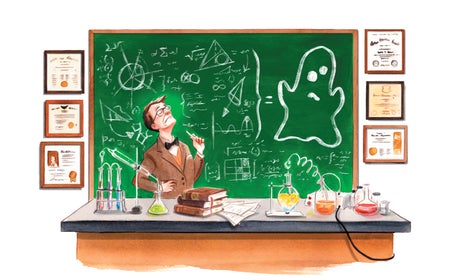
In Matters of Scientific Debate, Follow the Houdini Rule
Scientific expertise is typically limited and specific. When evaluating scientific claims, look to the relevant experts

The Dark Side of Nostalgia for Wild, Untouched Places
A novel about the tensions between nature and modernity, animal social networks, and more books out now
The Dazzling New Science of Feathers
Reducing noise improves health, JWST’s galaxies change astronomy, and there’s new hope for people with prostate cancer
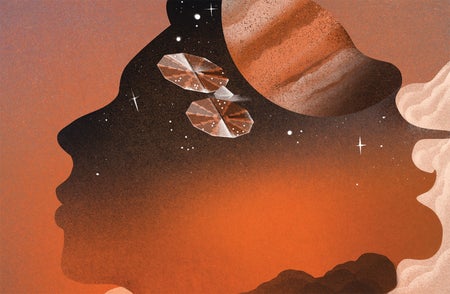
Poem: ‘Lucy’
Science in meter and verse

Readers Respond to the January 2024 Issue
Letters to the editors for the January 2024 issue of Scientific American

Contributors to Scientific American’s May 2024 Issue
Writers, artists, photographers and researchers share the stories behind the stories
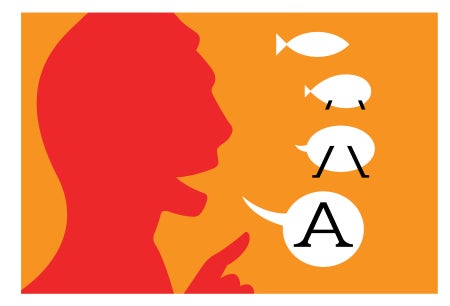
How Our Thoughts Shape the Way Spoken Words Evolve
What makes a word survive or go extinct?

Locs Represent Resistance for Black People in the U.S. That’s Why They Are under Fire
In cultures hostile to African hairstyles, so-called dreadlocks have long been a countercultural symbol for those who stand in opposition to oppressive ideals

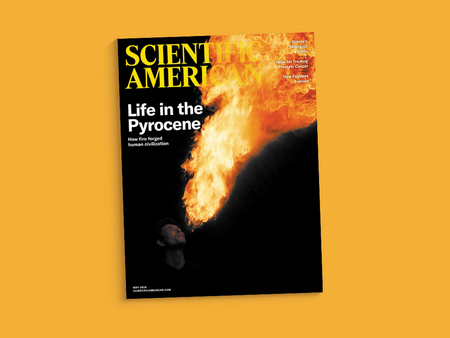
Fire Forged Humanity. Now It Threatens Everything
Ancient prophecies of worlds destroyed by fire are becoming realities. How will we respond?

Why We Believe the Myth of High Crime Rates
The crime issue, a focus of the 2024 presidential election, is sometimes rooted in the misplaced fears of people who live in some of the safest places