
WarfareSeptember 15, 2026
It’s official: The U.S. has weapons in space
A high-ranking official announced yesterday that the U.S. military has deployed weapons into orbit to counter threats from Russia and China
It’s official: The U.S. has weapons in space
A high-ranking official announced yesterday that the U.S. military has deployed weapons into orbit to counter threats from Russia and China

The Pentagon is testing lasers and microwaves to stop drone swarms
After decades of hype, directed-energy weapons may offer the U.S. military a cheaper answer to the expensive problem of stopping drones


The Pentagon wants thousands of missile interceptors in orbit
Golden Dome’s most audacious element would require a vast constellation of weapons that does not yet exist. Defense companies are already lining up to build it

Europe’s wildfires are igniting forgotten WWII and Cold War bombs
Europe is full of buried explosives left over from 20th-century wars, and the continent’s wildfires are now big enough and hot enough and last long enough to reach them
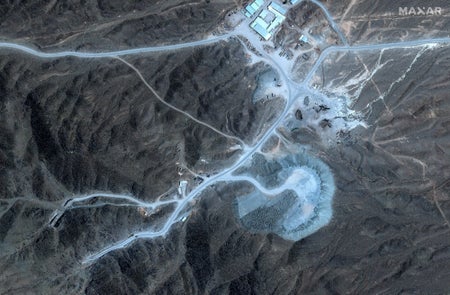
Ancient geology could insulate Iran’s nuclear centrifuges from bombing
Iran’s Pickaxe Mountain, or Kuh-e Kolang Gaz La in Persian, is part of a volcanic arc that formed tens of millions of years ago and is made of a tough-to-penetrate rock
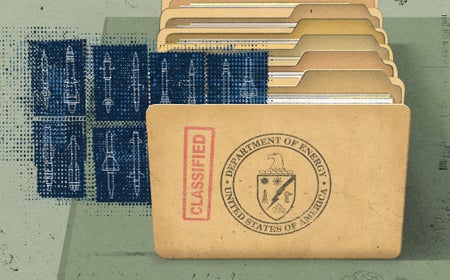
Trump’s Genesis Mission puts AI to work on nuclear weapons
The Department of Energy bills Genesis as an AI push for scientific discovery. Its first public challenges tell a different story
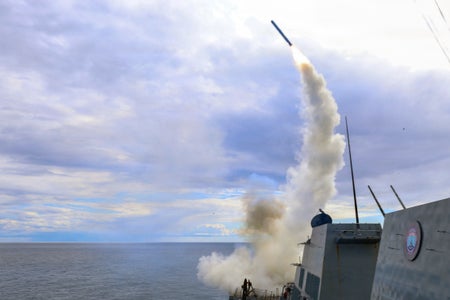
Tungsten crunch rekindles U.S. mining ambitions
Tungsten is a coveted metal for military uses. Restoring domestic supply could help with ongoing munitions shortages
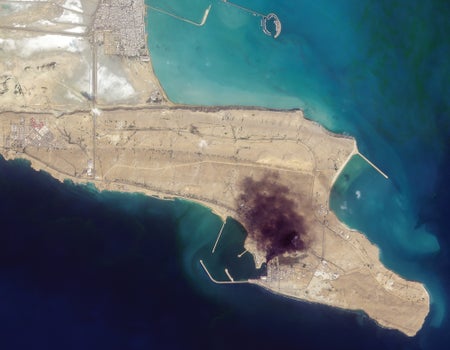
War is getting harder to hide from space
Commercial satellites can now watch much of Earth in near-real time. Militaries are learning new ways to fool them

How the war in Iran could endanger one of Earth’s most unique ecosystems
Despite decades of damage, the Persian Gulf’s ecological marvels remain—for now
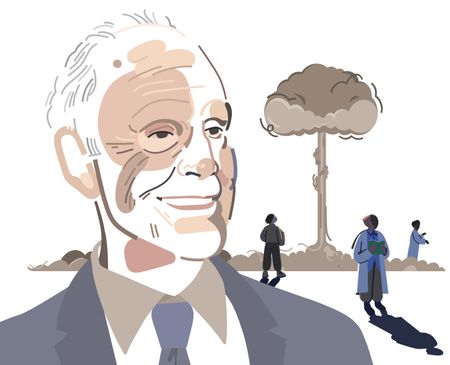
Nuclear war may keep humanity from finding a ‘theory of everything,’ top physicist says
After winning a Breakthrough Prize, the world’s most lucrative science award, theoretical physicist David Gross is using the moment to warn of nuclear war’s existential threat—and how we can escape it

Ancient ‘machine-gun’ damage discovered on walls of Pompeii
Recently uncovered damage to walls in Pompeii displays patterns that may have been made by an ancient “machine gun” called a polybolos
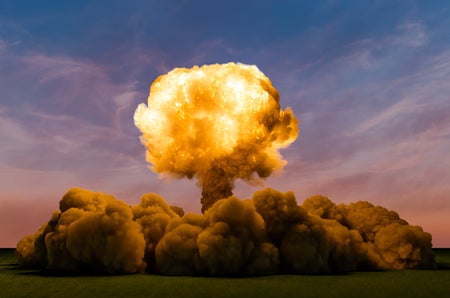
Why game theory could be critical in a nuclear war
Military strategists use game theory to evaluate possible strategies—but there are limits to what this approach to decision-making can achieve