Artificial IntelligenceSeptember 2, 2024
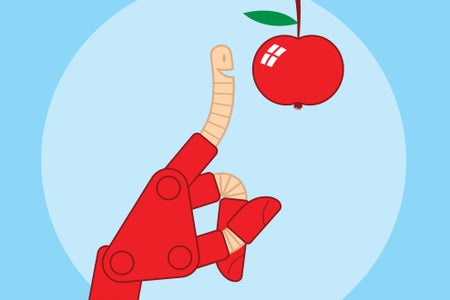
Scientists Make ‘Cyborg Worms’ with a Brain Guided by AI
AI and tiny worms team up to get to treats
Scientists Make ‘Cyborg Worms’ with a Brain Guided by AI
AI and tiny worms team up to get to treats
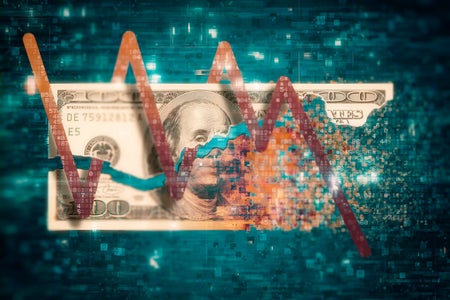
Don’t Trust AI for Important Things Such As Investment Decisions
Until AI algorithms understand what words mean, they won’t be reliable for important decisions—especially those with money on the line


Can Pulling Carbon from Thin Air Slow Climate Change?
Tech firms, oil companies and the U.S. government are investing billions of dollars in carbon capture technology to suck greenhouse gases out of the atmosphere. Can it save the warming world?

Can Google Make Stoplights Smarter?
A Google experiment to improve stoplights shows early positive results. But AI-assisted software won’t replace human traffic engineers just yet

Smart Rings Can Track Menstrual Cycles. But Are They Reliable for Birth Control?
The Oura Ring and other smart rings forecast menstrual cycles by detecting changes in body temperature

New U.N. Cybercrime Treaty Could Threaten Human Rights
A recently adopted United Nations treaty could lead to invasive digital surveillance, human rights experts warn
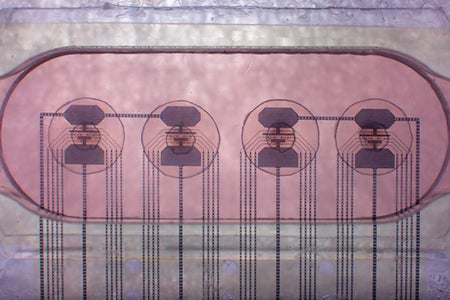
These Living Computers Are Made from Human Neurons
In the search for less energy-hungry artificial intelligence, some scientists are exploring living computers
Google Search Ruled a Monopoly: What’s Next?
An antitrust expert explains Monday’s landmark legal decision that Google illegally cemented its dominance in Internet search

Is the Paris Olympics’ Swimming Pool ‘Slow’? Let’s Dive into the Math
Controversy surrounds whether the Olympic pool in the Paris La Défense Arena is not deep enough and slows swimmers. Is this contention true?

See How Science Is Changing How U.S. Athletes Compete in the Olympics
"Big data" and artificial intelligence are changing how elite American athletes train for the biggest competition in the world.
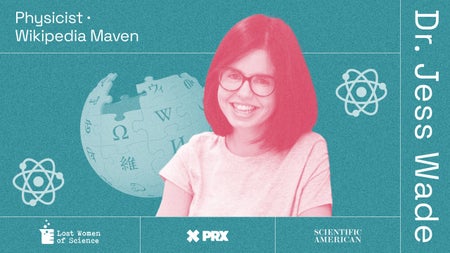
This Researcher Is on a Crusade to Correct Wikipedia’s Gender Imbalance
Physicist Jess Wade explains the importance of recognizing female scientists on Wikipedia. She’s created more than 2,000 Wikipedia articles to do just that

Social Media Is Junk Food for Information Foragers
Social media exploits our evolved need for information, feeding us fluff and outright misinformation. A new science of human collective behavior can help us retake control