OpinionDecember 11, 2020
Coronavirus News Roundup: December 5–December 11
Here are pandemic highlights for the week
Coronavirus News Roundup: December 5–December 11
Here are pandemic highlights for the week

What Science Has Learned about the Coronavirus One Year On
About a year ago, SARS-CoV-2 (which wasn’t called that yet) was just beginning to emerge in a cluster of cases inside China. We know what has happened since then, but it bears repeating: there have been 69 million cases and more than 1.5 million deaths globally as of December 10, 2020, according to the Johns Hopkins Coronavirus Resource Center.
And as the virus raced around the world, science has also raced to understand how it actually works, biologically. Today on the Science Talk podcast, a virologist who has been part of that massive effort joins us.
Britt Glaunsinger is a professor in the department of molecular and cell biology at the University of California, Berkeley, and an investigator at the Howard Hughes Medical Institute. She has been studying viruses for 25 years, with a particular focus, before December 2019, on the herpesvirus. Over the past 12 months, her lab has been focusing on strategies the virus uses to suppress the body's innate immune system.

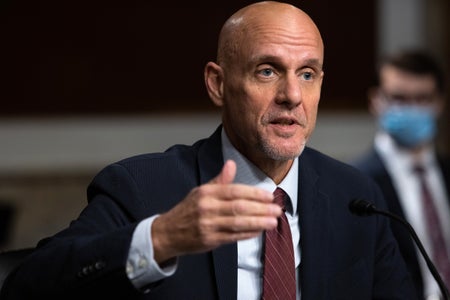
FDA Commissioner Says Vaccine Approval Process Will Be Transparent and Guided by Data
Stephen Hahn describes how the agency will evaluate vaccines for emergency authorization

What Motivates COVID Rule Breakers?
The answer turns out to be complicated
New DIY Contact Tracing App Is Based on the Science of Memory
It uses words and photos to remind you of where you’ve been and whom you’ve seen
To Control COVID, Biden Needs to Marshal Federal Resources—and Change Attitudes
The incoming U.S. president must help skeptics see benefits in masks and persuade Congress to spend more money on testing and protective gear
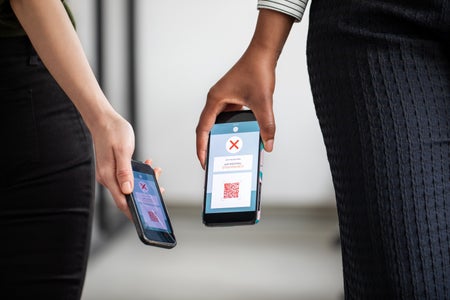
How to Fix COVID Contact Tracing
Apps and human tracers both have pros and cons. To be effective, they have to work together

Coronavirus News Roundup: November 28–December 4
Here are pandemic highlights for the week
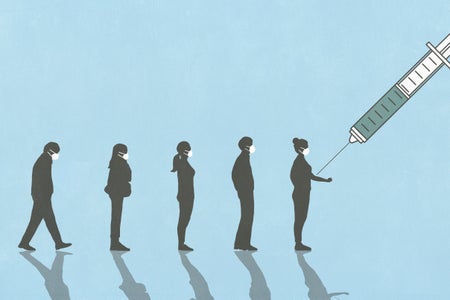
Who Will Get COVID Vaccines First, and Who Will Have to Wait?
In the U.S., health workers come first. But for other groups, scientists and policy makers are weighing a mix of disease risks, logistics and ethics
Conflicts of Interest and COVID
Financial incentives can be a factor in pandemic policy decisions—albeit frequently at a subconscious and unintentional level
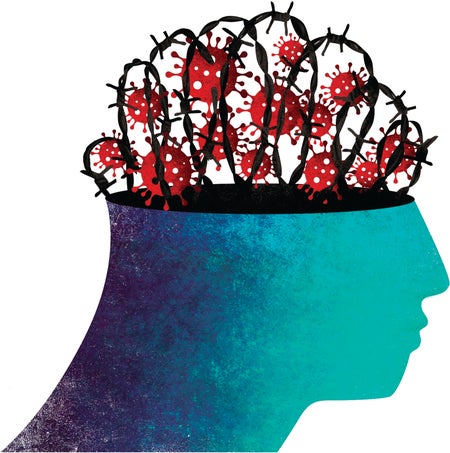
The Surprising Mental Toll of COVID
The rise in depression and anxiety is even worse than expected, especially among young adults
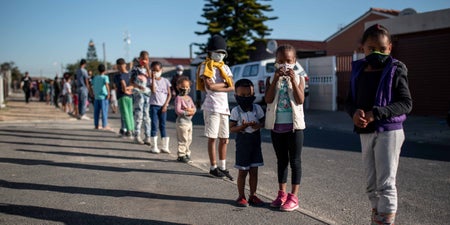
Pandemic of Hunger
COVID-19 is straining African food security but also presents an opportunity for change