OpinionMarch 1, 2021
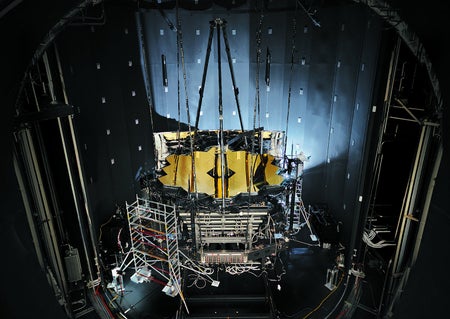
The James Webb Space Telescope Needs to Be Renamed
The successor to the Hubble currently honors a man who acquiesced to homophobic government policies during the 1950s and 1960s
The James Webb Space Telescope Needs to Be Renamed
The successor to the Hubble currently honors a man who acquiesced to homophobic government policies during the 1950s and 1960s
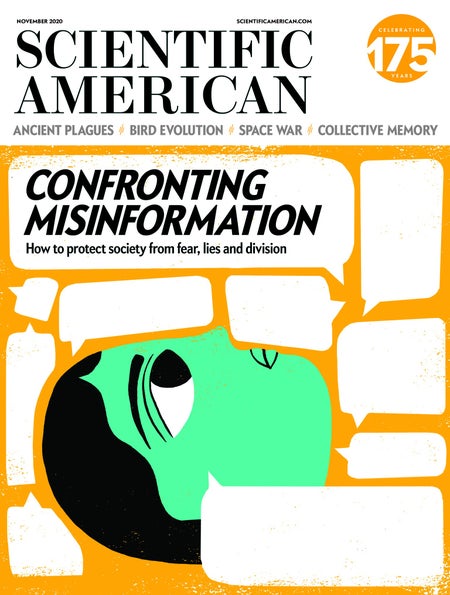
Readers Respond to the November 2020 Issue
Letters to the editor from the November 2020 issue of Scientific American

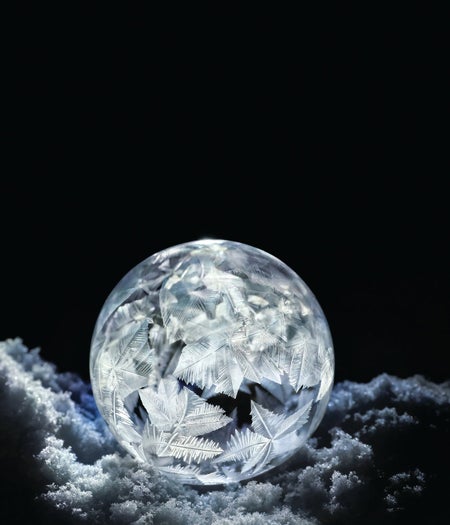
Poem: States of Matter
Science in meter and verse
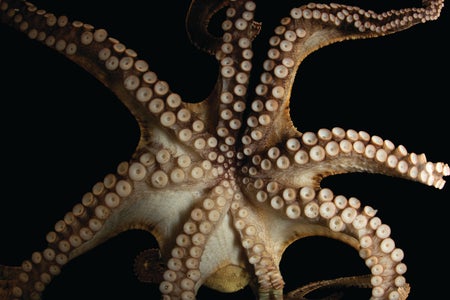
An Octopus Could Be the Next Model Organism
Big-brained cephalopods could shine light on the evolution and neurobiology of intelligence, complexity, and more—and inspire medical and technological breakthroughs
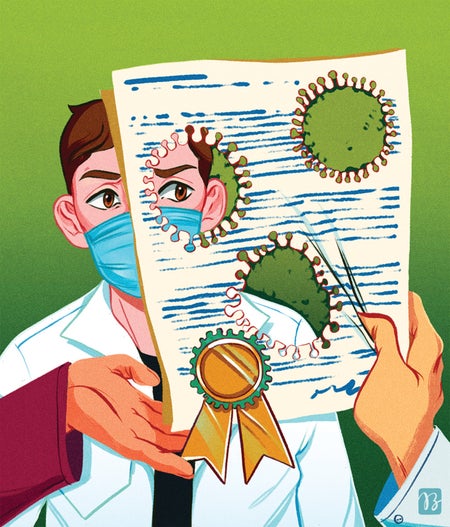
Expert Opinion Can’t Be Trusted if You Consult the Wrong Sort of Expert
The failure of the U.S. to respond appropriately to the pandemic could have been predicted if anyone had bothered to ask social scientists
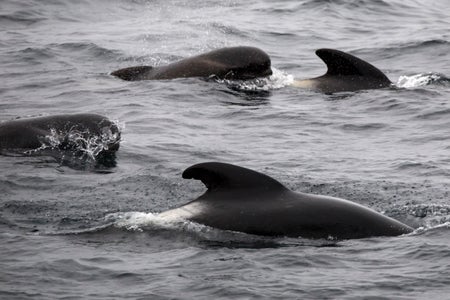
Pilot Whales Show Possible Orca-Mimicking Repertoire
Southern long-finned pilot whales’ calls could help them outsmart an apex predator
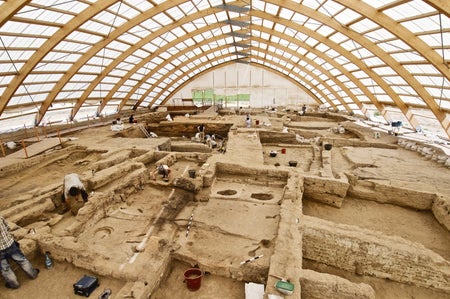
An Ancient Proto-City Reveals the Origin of Home
The 9,000-year-old settlement of Çatalhöyük in Turkey shows how humans began putting down roots
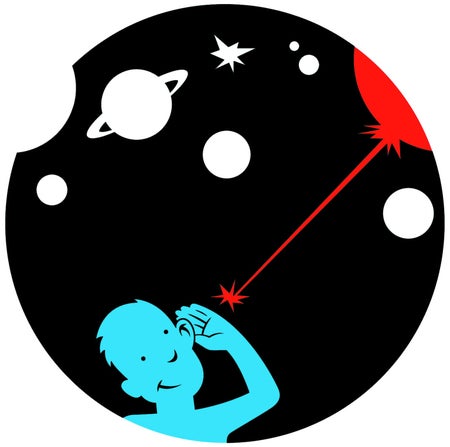
Future Astronauts Could Phone Home with Lasers
Advances in laser-receiver technology could deliver high-quality, reliable communications for future space exploration, such as sending humans to Mars
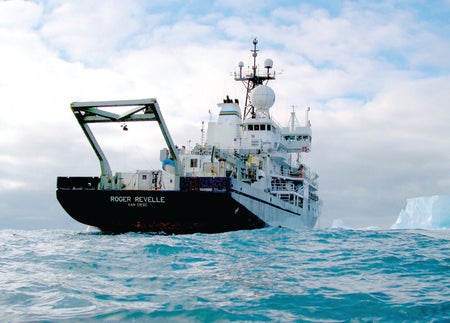
The Military’s Role in Oceanography, Deadly Pharmaceutical Negligence, and Other New Science Books
Book recommendations from the editors of Scientific American
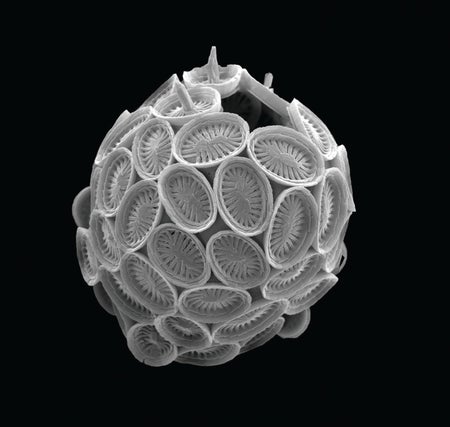
Prehistoric Plankton Became Predators to Survive a Mass Extinction
When the sun disappeared, tiny coccoliths turned to hunting
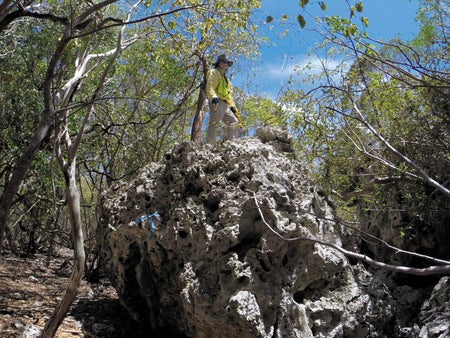
A Tsunami Likely Hurled Huge Rocks onto a Tiny Island
A Caribbean island’s giant rocks were thought to be deposited by enormous waves
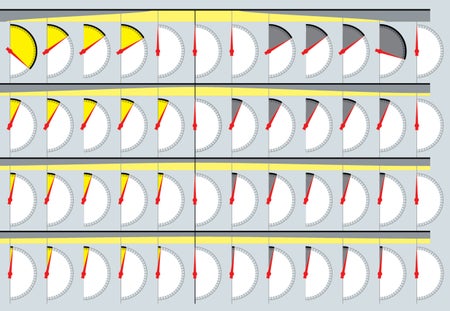
Sunlight Changes Unequally All Year Long
Some days we gain one minute; some days we gain three