
Public HealthJune 19, 2020
Summer Weather Won’t Save Us from Coronavirus
Though hotter, humid weather can dampen transmission, it is not enough to significantly curtail the pandemic
Summer Weather Won’t Save Us from Coronavirus
Though hotter, humid weather can dampen transmission, it is not enough to significantly curtail the pandemic
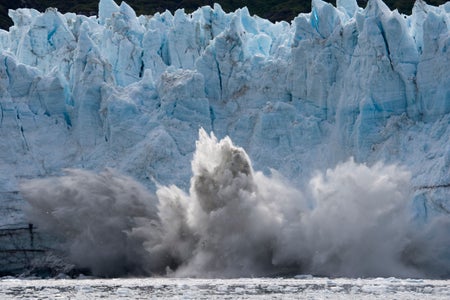
Science on the Hill: Calculating Climate
For the fourth Science on the Hill event, Future Climate: What We Know, What We Don’t, experts talked with Scientific American senior editor Mark Fischetti about what goes into modeling our climate—and how such models are used in addition to long-term climate prediction.


Tougher Building Codes Would Avert Major Losses, FEMA Study Shows
In California and Florida alone, such codes have prevented $1 billion a year in structural damage
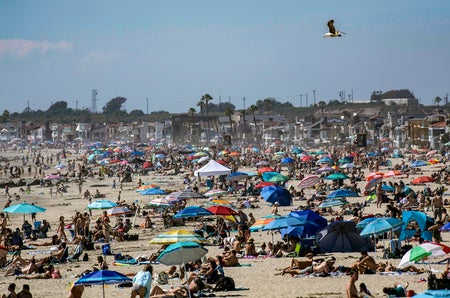
Summer Presents Dangerous Choice: Swelter in Quarantine or Risk Contagion
Extreme heat is deadly to many of the same populations that are most vulnerable to COVID-19

How COVID-19 Could Ruin Weather Forecasts and Climate Records
As climate- and ecological-monitoring projects go dark, data that stretch back for decades will soon contain coronavirus-associated gaps

Meteorologists Rain on Cloud-Seeding Parade
Originally published in July 1957
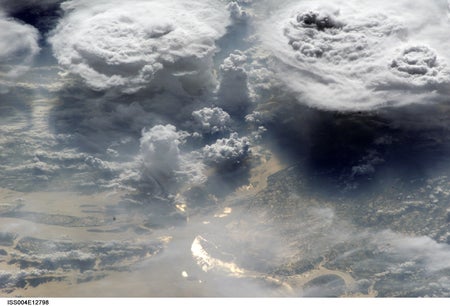
A Climate Fluctuation That Could Improve Forecasts Remains a Mystery
The unknown influence of climate change has thrown a wrench into efforts to understand the Madden-Julian Oscillation

The Ocean’s Swirling Currents Are Migrating Poleward
The shift, which may be linked to climate change, can affect sea levels and the distribution of heat and nutrients
Twin Dangers of Scorching Days and Sweltering Nights Are on the Rise
The combination of day and night extreme heat will only get more frequent—and hotter—in the future
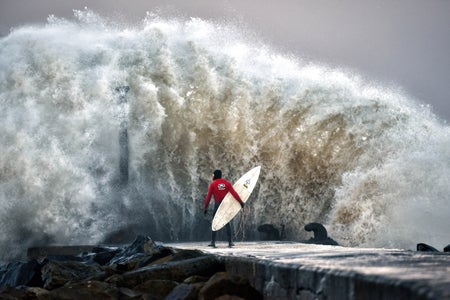
Ocean Currents Are Speeding Up, Driven by Faster Winds
Climate change may in part be spurring the acceleration, which could change how heat and nutrients are pushed around the oceans
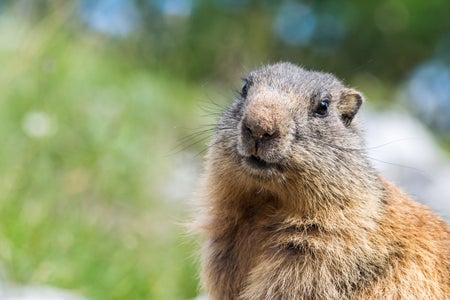
Facts about Groundhogs Other Than Their Poor Meteorology
Groundhogs are less accurate at weather forecasting than are coin flips, but they are nonetheless pretty interesting critters.
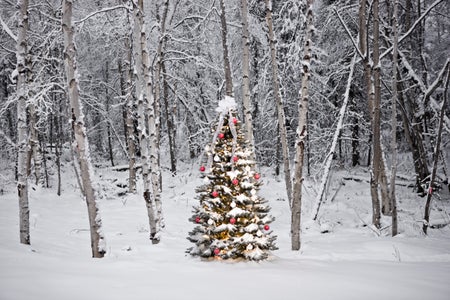
What Happens to White Christmases as the World Warms?
Although more winter precipitation will fall as rain because of climate change, don’t say goodbye to snow just yet