Fossil FuelsSeptember 1, 2021
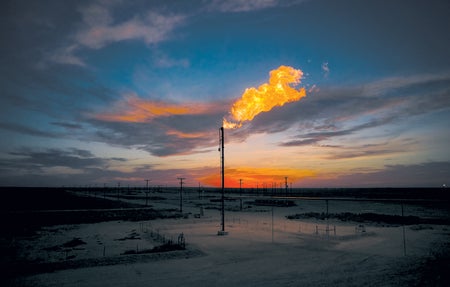
New Tech Can Reveal a Vast Network of Methane Leaks
But it is unclear if oil and gas companies and their regulators will respond
Anna Kuchment is a contributing editor at Scientific American and a staff science reporter at the Dallas Morning News. She is also co-author of a forthcoming book about earthquakes triggered by energy production.
New Tech Can Reveal a Vast Network of Methane Leaks
But it is unclear if oil and gas companies and their regulators will respond
Shortcuts in COVID-19 Drug Research Could Do Long-Term Harm, Bioethicists Worry
Compassionate use of experimental medicine needs to coexist with scientific rigor to help patients, researchers write in the journal Science
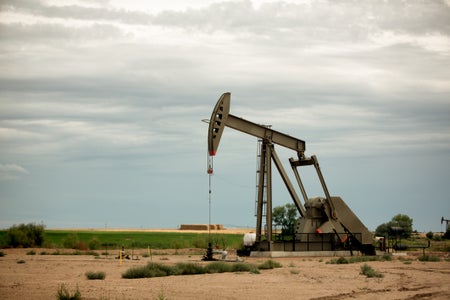
Even if Injection of Fracking Wastewater Stops, Quakes Won’t
Salty fluid sinks and puts pressure on rock, potentially triggering faults in Oklahoma for years to come

Drilling Reawakens Sleeping Faults in Texas, Leads to Earthquakes
For 300 million years faults showed no activity, and then wastewater injections from oil and gas wells came along
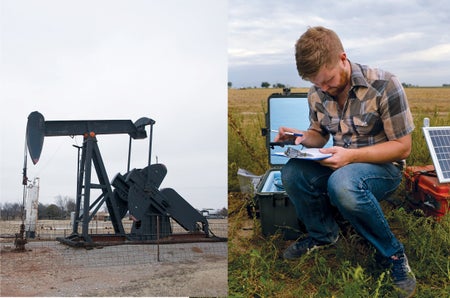
Under Pressure, Scientists Seek Solutions to Human-Caused Earthquakes
Wastewater injection has created seismic problems in states like Oklahoma and Texas—but there are ways to mitigate the rumbling
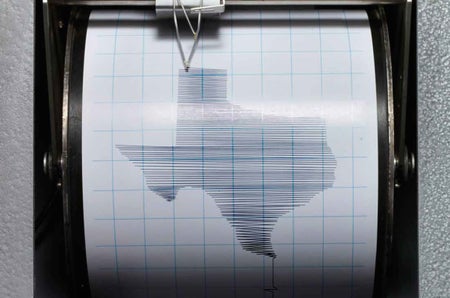
Drilling for Earthquakes
Scientists are increasingly confident about the link between earthquakes and oil and gas production, yet regulators are slow to react
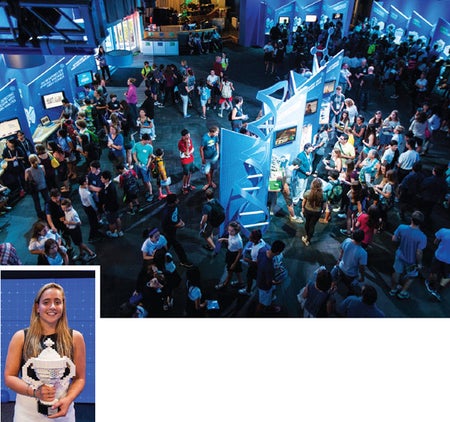
Speedy Ebola Test Wins Google Science Fair 2015
Olivia Hallisey, now 17, developed diagnostics for the virus that don’t require electricity or refrigeration
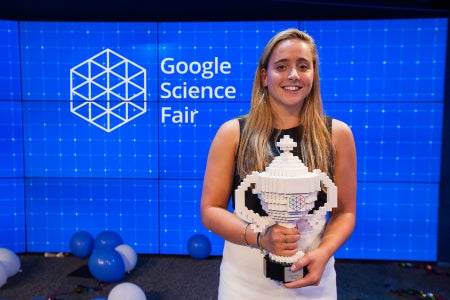
Teens Who Won Google Science Fair Took a Leap of Imagination
17-year-old Olivia Hallisey created a portable, rapid Ebola test that works without electricity
Teens Tackle Alzheimer's Disease, Vaccine Shortages at Google Science Fair
Imagination, grit power this year's batch of 20 finalists
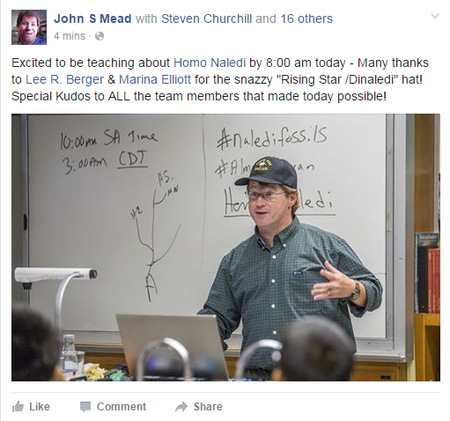
The Teacher and the Scientist: A Match Made on Facebook
How Lee Berger and a middle-school biology teacher brought the Homo nalendi discovery to students around the world

From Russia with Math (for Kids)
Led by university professors, "math circles" help young children see the beauty in numbers

Last-Minute Science Gifts For Kids
These books, movies and experiences are some of our favorites from the last year. All are gettable by Christmas at either Amazon.com, BarnesandNoble.com, or at your local bookstore and aquarium.
Girls With a Plan to Ease World Hunger Win Top Science Award
A chance observation about warts on a pea plant led a trio of teenagers on a three-year mission to solve the world food crisis. Their perseverance earned them top honors at the annual Google Science Fair in Mountain View, California.
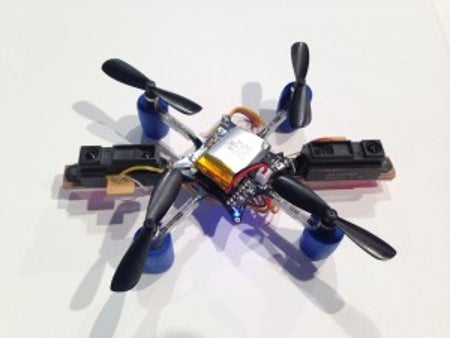
7 Amazing Google Science Fair Projects
Tonight, Google will announce the winners of its fourth annual Google Science Fair, which Scientific American co-sponsors. Watch the awards ceremony here live.
Hooked on Metrics: Why Learning Can and Should Be Measured
The following is a guest post by Scott Bennett, principal of eSTEM Academy in Reynoldsburg, Ohio When I first started teaching science 10 years ago, no one ever talked about achievement or thought about data.
Skulls, Bloodletting, and How to Teach Science
[View the story "Skulls, Elephants and How To Teach Science" on Storify]
Jell-O Brains and DNA: High School Students Launch Innovative STEM Program
The following guest post is by Roy Rinberg, a graduate of Thomas Jefferson High School for Science and Technology in Alexandria, Va. and an incoming freshman at New York University. He is co-founder of Project Building Excitement for Science and Technology (BEST), an afterschool program for junior high school students.
Texas Museum Loses Climate Change Display
Science museums are among the most trusted sources of information about the world around us. At their best, they offer fun, interactive, rich learning environments that surprise, inspire and enlighten their visitors.
Stop Lecturing Me (In College Science)!
College lecture classes have been around for more than 900 years. Lately, a handful of science and engineering professors have been experimenting with a more innovative way of teaching science, especially at the introductory level.
Teenage Flu Scientist Shares His Recipe for Prizewinning Research
The winner of the 2013 Google Science Fair on why more kids should e-mail scientists
A High School Lab As Engaging as Facebook
Just down the hall from Paulo Blikstein's office at Stanford University is a student laboratory of the future. It has spring green-and-yellow tiled floors, matching walls and is stocked with every type of digital fabrication tool one can imagine: laser cutters, 3D printers, 3D scanners, 3D milling machines, robotics, and programming tools.
A littleBit of Electronic Literacy
Guest Post by Ayah Bdeir, founder and CEO of littleBits, an award-winning open source library of electronic modules that magnetically snap together to allow users to create simple circuits and innovative projects.
A littleBit of Electronic Literacy
Guest Post by Ayah Bdeir, founder and CEO of littleBits, an award-winning open source library of electronic modules that magnetically snap together to allow users to create simple circuits and innovative projects.
Teenager creates new flu drugs
Last month, 17-year-old Eric Chen from San Diego, California became the third Grand Prize winner in Google Science Fair history. Judges awarded him $50,000, a 10-day trip to the Galapagos Islands, a year of mentoring, and other prizes.