The SciencesFebruary 29, 2016
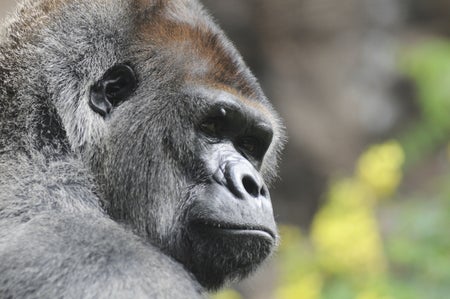
Gorilla's Hum Is a Do-Not-Disturb Sign
If a socially prominent gorilla is in the midst of a meal, it may hum or sing to tell others nearby that it's busy at the moment and will get back to you later.
Daisy Yuhas is the former editor of Scientific American's Mind Matters. A freelance science journalist, Yuhas is author of the Kids Field Guide to Birds (Cool Springs Press, 2024).
Gorilla's Hum Is a Do-Not-Disturb Sign
If a socially prominent gorilla is in the midst of a meal, it may hum or sing to tell others nearby that it's busy at the moment and will get back to you later.
Veterans of Iraq, Afghanistan Show Brain Changes Related to Explosion Exposure
Researchers pinpoint the cerebellum as particularly vulnerable to blast injury

MIND Staff Share Their Reading Picks
Reviews and recommendations from Scientific American MIND
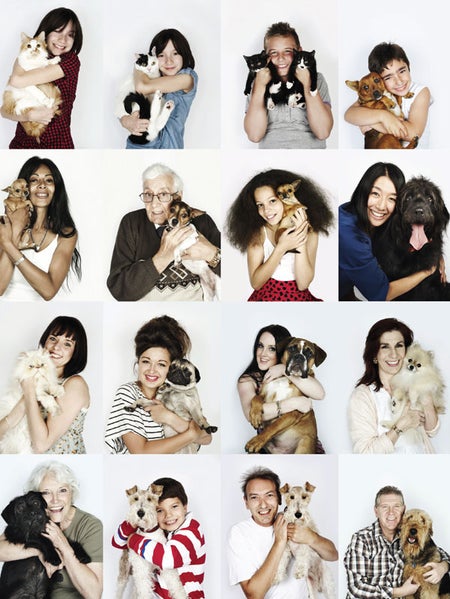
Why So Many People Have Pets
People have an innate interest in other species, but we like having pets for a variety of social reasons

Is Lying a Good Strategy?
A new documentary film presents the science behind when and why people lie. Daisy Yuhas reports
Why Do We Have Pets?
People have an innate interest in other species, but we like having pets for a variety of social reasons
Bioelectrical Signals Can Stunt or Grow Brain Tissue
By tweaking the charges of brain cells, researchers alter early brain development, opening a door to healing mature brains or undoing genetic damage

On Our Book Shelf: Editors' Picks
Pushy Parents Could Harm Kids’ Social Skills
Teens with controlling parents have trouble handling disagreements when they get older
Big Parental Control May Stunt Kid Assertiveness
Young adults who’d had highly controlling parents were less able to stress their own viewpoints to a friend or partner in confident and productive ways. Daisy Yuhas reports
Curiosity Prepares the Brain for Better Learning
Neuroimaging reveals how the brain’s reward and memory pathways prime inquiring minds for knowledge
“I Will Listen”: How Social Media Can Diminish the Stigma of Mental Illness
A campaign gets users of Facebook, Twitter, Instagram and other social media to act as a support group
Of Pacifiers and Pearl Harbor: See the Stuff First Memories are Made Of [Interactive]
Explore more than one hundred recollections from early childhood
MIND Reviews: Suspicious Minds
Books and recommendations from Scientific American MIND
Tell Us How You Would Upgrade Your Brain
Future technologies could enhance your cognitive abilities
Mild Brain Injury Leaves Lasting Scar
A long-term study reveals how the brain responds to a mild impact, and could guide future intervention
MIND Reviews: Happiness by Design: Change What You Do, Not How You Think
Sensation: The New Science of Physical Intelligence
Share Your Earliest Childhood Memory
Share your recollections and your story could appear in Scientific American MIND
Friends with Health Benefits
Camaraderie offers social support, stress relief, and enforces healthful habits
Neurofeedback Increases Affection, Builds Empathy
Squabbling with your spouse lately? Someday, couples therapy could mean watching your own brain activity to train your compassionate side
Human Sexual Responses Boosted by Bodily Scents
Two human steroidal compounds may help scientists make sense of how bodily scents affect sexual arousal
Are Human Pheromones Real?
Scientists are still unraveling nature’s secret olfactory signals
Brains in Boston: Weekend Recap of Cognitive Neuroscience Society's Annual Meeting
Greetings from Boston where the 21st annual meeting of the Cognitive Neuroscience Society is underway. Saturday and Sunday were packed with symposia, lectures and more than 400 posters.