FitnessSeptember 12, 2019
Fight or Flight May Be in Our Bones
A protein released from bone is involved in triggering the body’s reaction to stress
Diana Kwon is a freelance journalist who covers health and the life sciences. She is based in Berlin.
Fight or Flight May Be in Our Bones
A protein released from bone is involved in triggering the body’s reaction to stress

“Metronome” Neurons Act like Timekeepers in Mouse Brains
Brain cells that tick at regular intervals may coordinate neural activity like the conductor of an orchestra

Babies Know the Difference between the Laughter of Friends and Strangers
Five-month-olds may use chuckles to identify information about social interactions

Mucus: The Body’s Unsung Hero
The slimy stuff has a surprisingly wide array of beneficial biological functions

How to Debate a Science Denier
A new finding shows that marshaling facts and identifying an opponent’s rhetorical techniques are effective at dampening a skeptic’s message

Does Thirst Start in the Mouth or the Gut?
A new study in mice reveals why consuming a beverage is usually pleasurable but is not always enough to quench thirst

Infections and Drugs to Treat Them Tied to Eating Disorders in Teens
A new study adds to growing evidence that immune system dysfunction and altered gut microbes may contribute to the development of eating disorders
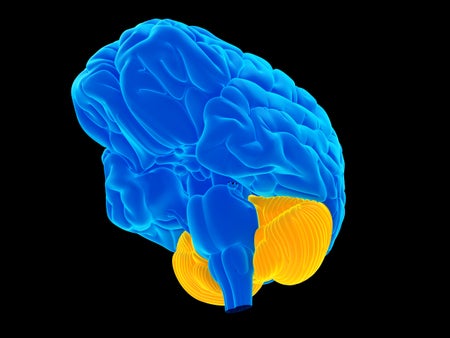
The Cerebellum Is Your "Little Brain"—and It Does Some Pretty Big Things
A newly identified circuit connecting the cerebellum to the brain’s reward centers in mice could help scientists understand autism and addiction

4 Days of Intensive Therapy Can Reverse OCD for Years
Two Norwegian psychologists developed a method of treating the condition that is gaining international attention for its efficiency and effectiveness
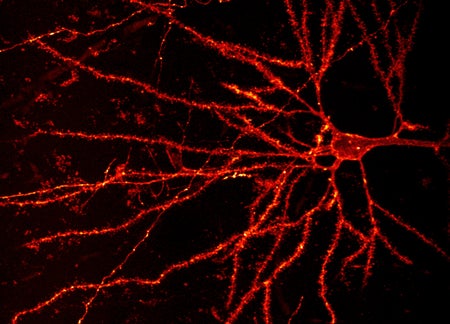
What Makes Human Brain Cells Unique?
New findings reveal distinctive electrical properties of human neurons that may give us a boost in computing power
Lab-Grown Human Retinas Illuminate How Eyes Develop Color Vision
The mini organs may help scientists develop therapies for eye disorders such as color blindness and macular degeneration

A Nerve Pathway Links the Gut to the Brain’s Pleasure Centers
A newly discovered neural circuit in mice may one day help modify food preferences and eating behavior
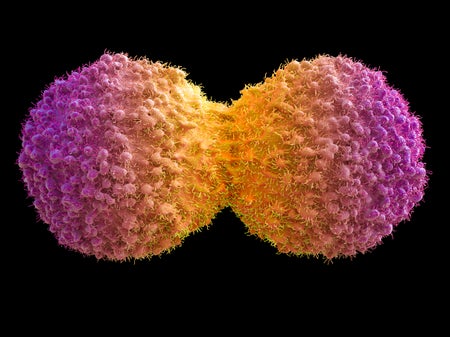
“Ghost” Cytometry May Improve Cancer Detection, Enable New Experiments
This new cell-sorting method could offer more options in the lab and clinic
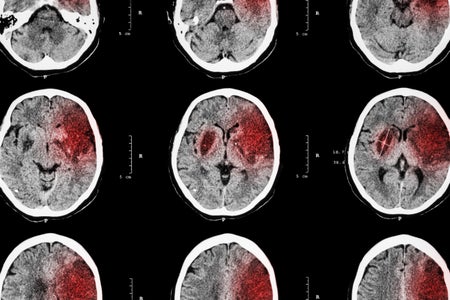
Targeting Inflammation May Protect and Restore the Brain after Stroke
New therapeutic approaches directed at the post-stroke immune response show promise in mice
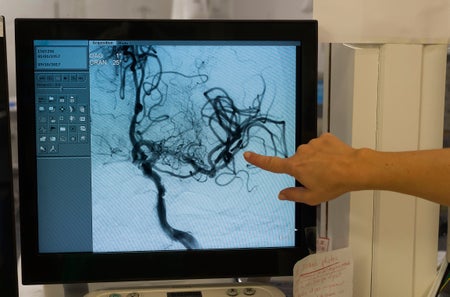
A Revolution in Fighting Clots
A technique called thrombectomy widens the time window in which stroke victims can be treated
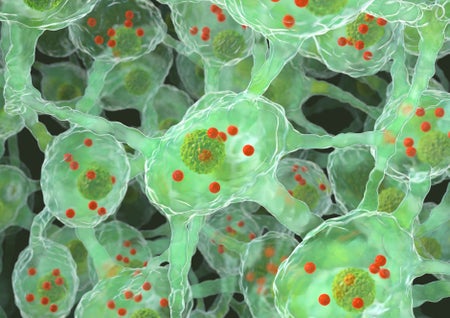
Does Parkinson’s Begin in the Gut?
A growing body of evidence links the neurodegenerative disease to the gastrointestinal tract, opening new possibilities for treatment
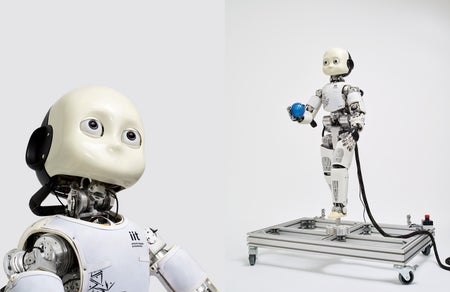
Intelligent Machines That Learn Like Children
Machines that learn like children provide deep insights into how the mind and body act together to bootstrap knowledge and skills

Cetaceans’ Big Brains Are Linked to Their Rich Social Life
Studying whale and dolphin anatomy and behavior could offer insights into human evolution

Concussion Recovery Is Slower in Girls, Mounting Evidence Suggests
A new study adds to findings that female children and adolescents are more susceptible to head injuries
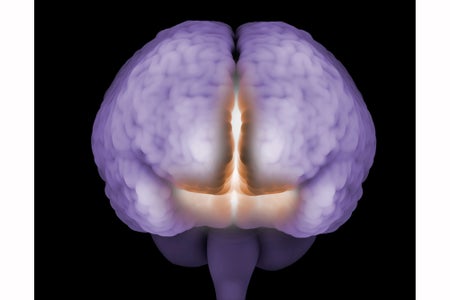
Are Some Psychiatric Disorders a pH Problem?
Increased acidity found in the brains of patients and mouse models of schizophrenia and bipolar disorder raises treatment questions

New Books on Memes, Mental Time Travel, Manufactured Emotions and Tech Addiction
Scientific American Mind weighs in on recent titles from neuroscience and psychology
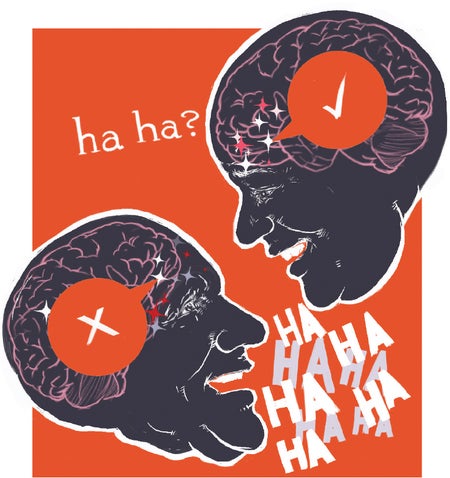
The Brain Can Distinguish between Real and Fake Laughter
Nongenuine chuckles cause a specific cortical region to “light up” more

Meditation’s Calming Effects Pinpointed in the Brain
A new mouse study reveals a set of neurons that may point to physiological roots for the benefits of breathing control

Can Facebook’s Machine-Learning Algorithms Accurately Predict Suicide?
The social media giant aims to save lives by quickly flagging and responding to worrying posts