
PolicyJuly 22, 2016
How to Reduce Police Violence
Doubts cast on police implicit bias training
Dina Fine Maron, formerly an associate editor at Scientific American, is now a wildlife trade investigative reporter at National Geographic.
How to Reduce Police Violence
Doubts cast on police implicit bias training
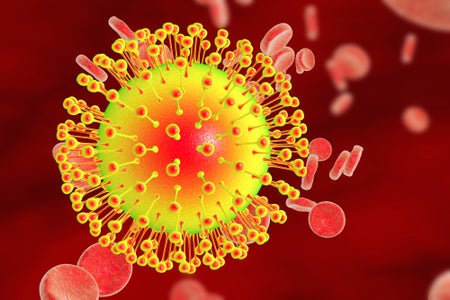
Zika Mystery Case Raises Questions about New Transmission Route
Utah caregiver infection has prompted a federal investigation

Damage to Pea-Size Gland May Cause PTSD-Like Symptoms
Soldiers’ with traumatic brain injury might suffer from undiagnosed but treatable hormonal disorders

The Zika Virus Has Changed Little over 70 Years—So Why Is It a Problem Now?
Scientists have sequenced the genomes of several Zika strains as they look for answers about the virus’s sudden appearance

Unproved Stem Cell Clinics Proliferate in the U.S.
570 sites advertise therapies for sports injuries, autism and MS via direct-to-consumer marketing
List of Possible Zika Birth Defects Grows Longer
Even without microcephaly, seizures and developmental delays may appear in the months following birth
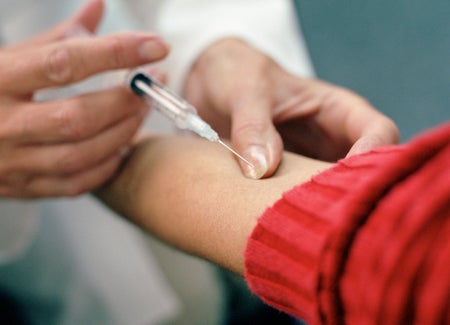
The U.S. Takes Its First Shot at Zika
An NIH-backed vaccine is among several heading for human trials, but the timeline for large-scale deployment remains murky

Bug Bite Saliva Hijacks Immune Cells to Spread Virus
A victim’s immunological defenses may rush to puncture sites and help carry pathogens throughout the body

How a Transgender Woman Could Get Pregnant
The uncharted territory of uterus transplants is sparking patients’ interest, but surgeons and endocrinologists remain wary

How to Birth a Baby from a Donated Uterus
The Swedish surgeon behind this experimental procedure says techniques used by humans could be improved with robot assistance

Major Cell Phone Radiation Study Reignites Cancer Questions
Exposure to radio-frequency radiation linked to tumor formation in rats

How Zika Spiraled Out of Control
The virus was a tiny, barely known annoyance. Scientists now think environmental changes made Zika explode into a global crisis
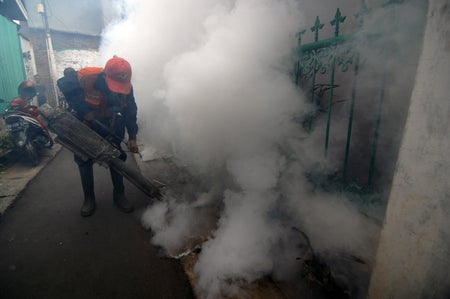
New Report Says 279 U.S. Pregnant Women Have Zika
The new CDC numbers include pregnant women without symptoms, giving a more accurate picture

A Very Personal Problem
Now personalized genetic medicine offers tests to avoid dangerous drug reactions—yet doctors are reluctant to use them

Genetic Secrets to Youthful Looks Revealed
The gene linked to pale skin and red hair appears to have another big role in appearance
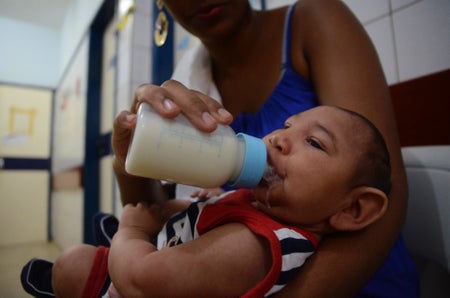
CDC Declares Zika–Microcephaly Link Solid
The U.S. health agency says it is important for pregnant women to take safe sex precautions and avoid mosquito bites

Zika Vaccine Could Solve One Problem While Stoking Another
Growing concerns about a Zika–autoimmune disease link are casting a shadow over vaccine development
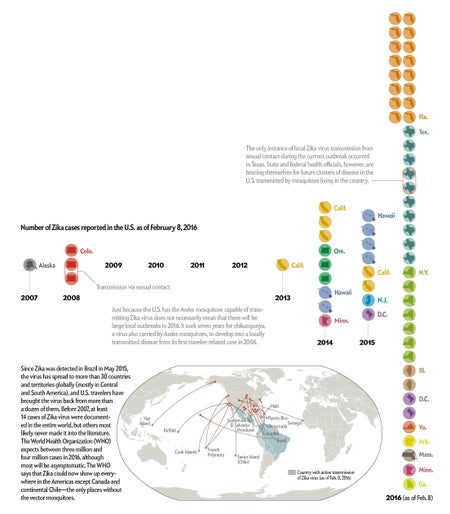
How Zika Travels to the U.S.
The mosquito-borne virus migrates to the U.S. from diverse nations
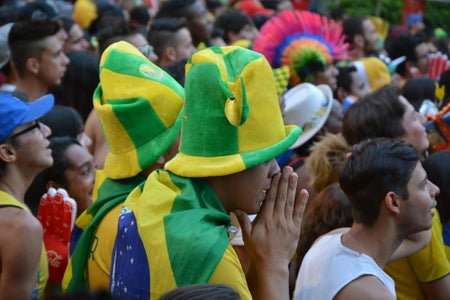
World Cup Fans Are Not Responsible for the Zika Explosion in Brazil
New genomic analysis clears 2014 sports enthusiasts of unwittingly transporting the virus

Sexual Transmission of Zika More Common Than Previously Believed
The more scientists learn about the mosquito-borne virus “the worse things seem to get”
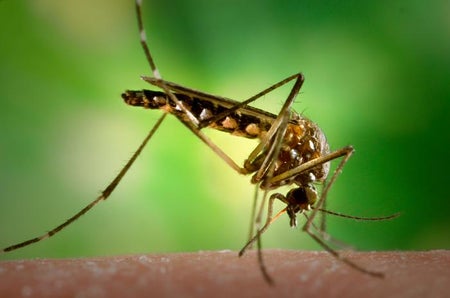
U.S. Eyes Innovative Approaches to Tamp Down Zika
Ahead of dangerous summer months lawmakers mull GM mosquito trials as one way to combat Zika’s spread

From AI to Zika: AAAS Conference Highlights
Scientific American editors Mark Fischetti, Dina Maron and Seth Fletcher talk about the info they picked up at the just-concluded annual meeting of the American Association for the Advancement of Science in Washington, D.C. Subjects covered include gravitational waves, whether there's really a war on science, the growing concern over Zika virus, sea level rise and advances in artificial intelligence.

Patients Unsure about the Value of Cutting-Edge Gene-Editing Technology
Some affected groups are still weighing the potential benefits and threats of deploying such interventions for medical care
Why We Shouldn't Quarantine Travelers Because of Zika
Contrary to some Republican presidential candidates, public health experts say there should not be any travel or trade restrictions because of the virus