
HealthJuly 14, 2012
German Court: Circumcision Is Cruel and Usual Punishment
Gary Stix, formerly senior editor of mind and brain topics at Scientific American, edited and reported on emerging advances that have propelled brain science to the forefront of the biological sciences. Stix has edited or written cover stories, feature articles and news on diverse topics, ranging from what happens in the brain when a person is immersed in thought to the impact of brain implant technology that alleviates mood disorders such as depression. Before taking over the neuroscience beat, Stix, as Scientific American's special projects editor, was responsible for the magazine's annual single-topic special issues, conceiving of and producing issues on Albert Einstein, Charles Darwin, climate change and nanotechnology. One special issue he oversaw on the topic of time in all of its manifestations won a National Magazine Award. With his wife Miriam Lacob, Stix is co-author of a technology primer called Who Gives a Gigabyte? A Survival Guide for the Technologically Perplexed.
German Court: Circumcision Is Cruel and Usual Punishment
Higgsteria: We Didn t Need No U.S. Supercollider
Researchers hack drones. A science project anyone?
16-Ounce Cokes and 40 Joints a Month: When Government Dictates to Consumers
This Blog Is about the Good, the Bad and the Meshuga
Should Ritalin Be Distributed To Everyone Taking the SATs?
Paralyzed Patient Swills Coffee by Issuing Thought Commands to a Robot [Video]
"Eternal Sunshine" Drug Makes a Rat Forget Bad Things
Watch how a druglike compound with the eponymous name of ZIP appears to completely wipe out long-term memory in a rat
Walking as Search: Google Glasses May Not Be a Good Idea
All Things Brain: Click on BrainFacts.org
Neuroscience Coverage: Media Distorts, Bloggers Rule
Speculation Arises about the Role of Concussions in Another NFL Player's Suicide
A Q&A with Ian Hacking on Thomas Kuhn's Legacy as "The Paradigm Shift" Turns 50
The seminal work on science's periodic upheavals may be more relevant to an earlier era
Why Pygmies Are Short: New Evidence Surprises
Ramachandran s Lab Looks Into Whether You Can Be a Man in the Morning and a Woman at Night
Growing an Economy by Growing Weed
Dark Matter Could Become a Hypochondriac s New Nightmare
A Periodic Stress Meter
Ask yourself this set of simple questions every few weeks to help gauge how much damaging stress you are experiencing
Psychological "Growth" through War and Disease: Sometimes It's Just a Cruel Delusion
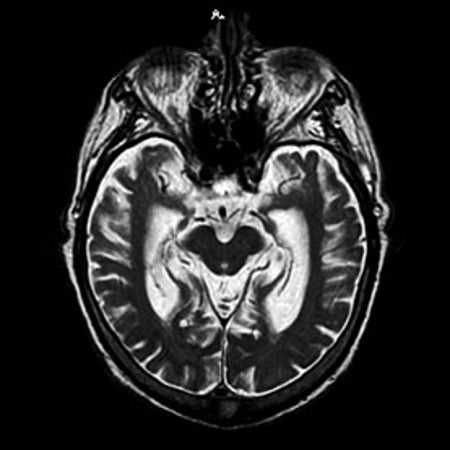
Alzheimer’s May Be Treatable by 2025
Why Obama's "War on Alzheimer's" may pay off
Neuroscientists Can Stumble When They Make Conclusions from Examining Single Patients
Effective World Government Will Be Needed to Stave Off Climate Catastrophe
Imagen del Dia: Wasp Makes Prey of a Tarantula
In case you haven’t seen this before on a National Geographic special, which I haven’t, here's a tarantula hawk wasp schlepping a tarantula home, a spectacle I got to view first hand on a trip to visit my wife in Costa Rica, where she is immersed in Spanish studies for ESL certification.
Why Cramming Doesn't Work
Short, irregular training intervals may work best for learning