
HealthFebruary 29, 2012
Better Living Through Chemistry: Making Sudafed from Meth
Gary Stix, formerly senior editor of mind and brain topics at Scientific American, edited and reported on emerging advances that have propelled brain science to the forefront of the biological sciences. Stix has edited or written cover stories, feature articles and news on diverse topics, ranging from what happens in the brain when a person is immersed in thought to the impact of brain implant technology that alleviates mood disorders such as depression. Before taking over the neuroscience beat, Stix, as Scientific American's special projects editor, was responsible for the magazine's annual single-topic special issues, conceiving of and producing issues on Albert Einstein, Charles Darwin, climate change and nanotechnology. One special issue he oversaw on the topic of time in all of its manifestations won a National Magazine Award. With his wife Miriam Lacob, Stix is co-author of a technology primer called Who Gives a Gigabyte? A Survival Guide for the Technologically Perplexed.
Better Living Through Chemistry: Making Sudafed from Meth
Lonely Planet: Social Media Gets on Board in the Quixotic Search for Extraterrestrial Life
Eternal Sunshine Drug Points the Way Toward Counteracting the Agony of Chronic Pain
Cool Aid: Drug That Lets Body Temperature Drop Could Save Stroke Victims
An experimental pharmaceutical might one day circumvent the body's cold-defense mechanisms to protect tissue following stroke, heart attack and problems at birth
Patients Clamor for Cancer Drug That Shows Promise for Alzheimer's in Mice
Alzheimer's Disease Symptoms Reversed in Mice
A cancer drug given to mice eliminates brain-damaging proteins, leading to improved cognition within days, but will it work in humans?
Ethical Questions Surround "Electrical Thinking Cap" That Improves Mental Functions
Inside Story: What Happens When Brain Hits Skull
Watch the frightening mechanics of a concussive blow to the head
Obama's War on Alzheimer's: Will We Be Able to Treat the Disease by 2025?

Race and Religion at the Ballot Box: Building a Better Bias Detector
A new method tries to tell whether prejudice plays into voting choices
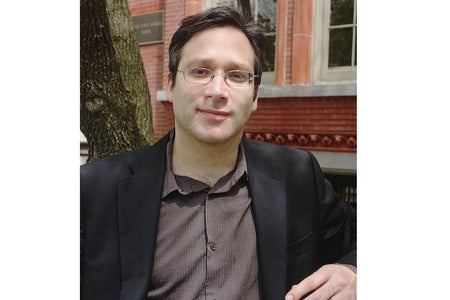
Can A Middle-Aged Neophyte Make It to Carnegie Hall?
A psychologist takes up guitar in his late 30s and becomes a working exemplar of the brain's inherent plasticity

A New Generation Already Knows How to Love the Bomb
U.S. Major General William A. Chambers came in to our offices today to talk about how things are going with the nation's nuclear deterrence efforts.
A Crust of Dust: Degradation of Desert Topsoil by Human Activities May Wreak Havoc with the Environment
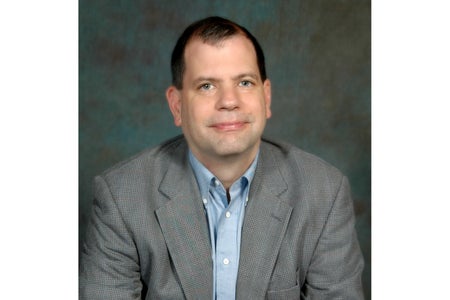
Best Quote Ever on Pop Psychology Perils: Why We’re All Just Self-Delusion Machines
This is a quote from a 2009 TED talk by Tyler Cowen, a George Mason economist and a New York Times columnist. I found it via a recent Why We Reason blog.
Forget Ritalin and Cramming: Molecular Pathways in the Brain May Reveal the Best Learning Strategies
A computer has modeled the most efficient form of learning, that is, if you're a sea slug running from a lobsters. Scientists hope it might eventually work for a human studying for a calculus midterm

Photographic Memory: Wearable Cam Could Help Patients Stave Off Effects of Impaired Recall
A wearable video camera may be able to slow the ravages of Alzheimer's disease
Meth Hype Could Undermine Good Medicine
Overstating the dangers of methamphetamine may impede treatment of drug abusers, asserts a review by Columbia University researchers
Anatomy of a Megalomaniac: Psychological Analysis of Kim Jong-il from Afar

Pelé and Maradona Help Us Understand How Memory Works
Three things stand out about our memories of life experiences, so-called autobiographical memories. Two of them are pretty obvious. One, not so much.
The First African-American Woman to Receive a Doctorate from M.I.T. Champions the Dividends of Education
Shirley Ann Jackson serves as a role model for the movement to promote improved education in science, technology, engineering and mathematics. A book about her for young people captures her lifelong curiosity
The Ethics of Altering Memory Get a Bit Ahead of the Science, but Just a Bit
Einstein Researcher: Disputed Longevity Gene Might Still Be a Winner
Gray Area: Does a "Longevity" Gene Increase Alzheimer's Risk?
A gene associated with people who live to be centenarians may be implicated in dementia
Ritalin and Other Cognitive-Enhancing Drugs Probably Won't Make You Smarter