ConservationDecember 19, 2025
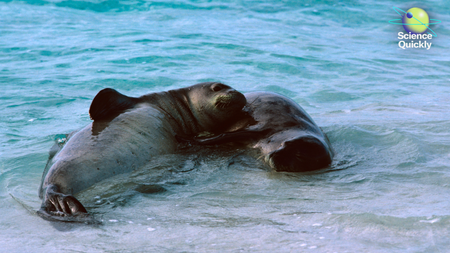
The Secret Voices of Hawaiian Monk Seals: Scientists Uncover 20 New Underwater Calls
Researchers uncover 20 new underwater calls from Hawaii’s endangered monk seals.
Kendra Pierre-Louis is a climate reporter focusing on the science and social impacts of climate change. She has worked for Gimlet, Bloomberg News and Popular Science. Pierre-Louis is based in New York City.
The Secret Voices of Hawaiian Monk Seals: Scientists Uncover 20 New Underwater Calls
Researchers uncover 20 new underwater calls from Hawaii’s endangered monk seals.
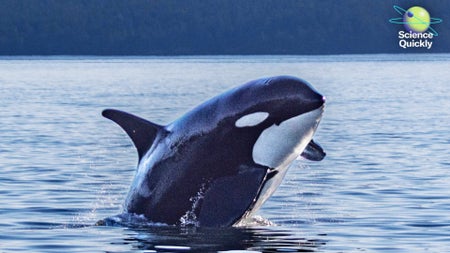
Orcas on the Brink—What a Dog Named Eba and a Team of Scientists Are Fighting For
A scientist, a journalist and a remarkable scent‑detecting dog race to learn what’s endangering the last southern resident orcas
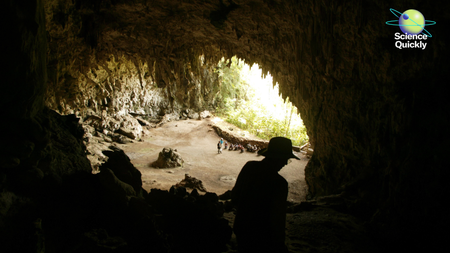
A Hobbit Mystery Is Solved, 2025 Nears a Climate Record, and More Parents Refuse Vitamin K for Newborns
This week’s science roundup covers 2025’s near-record heat, a new mpox strain and fresh clues about why hobbits vanished 50,000 years ago.
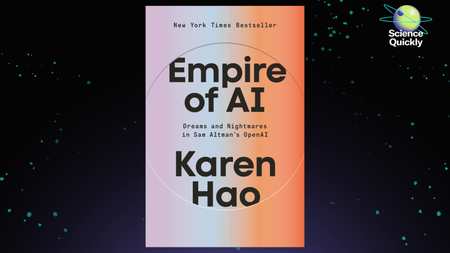
Inside the Empire of AI: Karen Hao on Power, Ideology and Environmental Costs
Journalist Karen Hao unpacks the rise of AI “empires,” their ideological roots, and the hidden environmental and societal costs of OpenAI’s quest for artificial general intelligence.
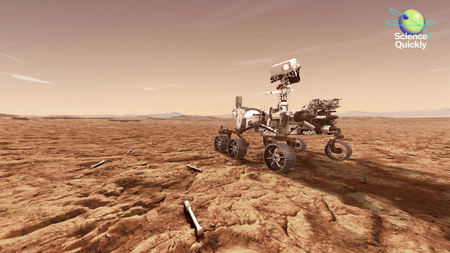
NASA’s Perseverance Rover Faces New Uncertainty on Mars
NASA’s Perseverance rover has gathered groundbreaking Mars samples, but the mission to bring them home is facing serious challenges.
Puppy Power, Vaccines under Fire, Satellite Warning
Vaccine controversies, space pollution and puppy power.
Is There New Hope for Treating Postpartum Depression?
Journalist Marla Broadfoot discusses zuranolone, a drug that may help people whose postpartum depression hasn’t responded to traditional antidepressants.
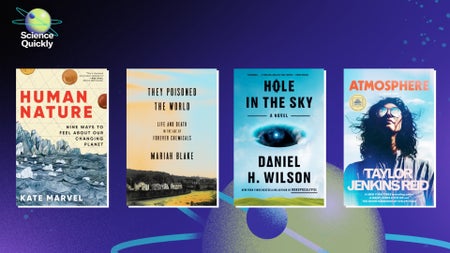
Scientific American Shares Its First-Ever Best Fiction and Nonfiction Books of the Year
Scientific American unveils its first-ever best fiction and nonfiction books of the year, spotlighting stories that blend science, imagination and unforgettable voices.
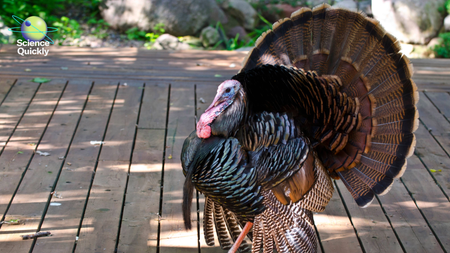
How Wild Turkeys Made a Comeback from Near Extinction
Wild turkeys once nearly disappeared, but today they’re thriving.
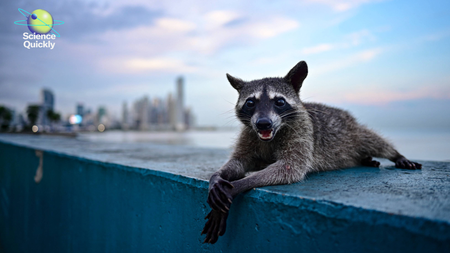
Tamer Raccoons, COP30 Recap, New Fluoride Research
Your Monday news roundup in audio form, including the cutest raccoons, COP30 takeaways and more on a new study on fluoride and cognitive decline.
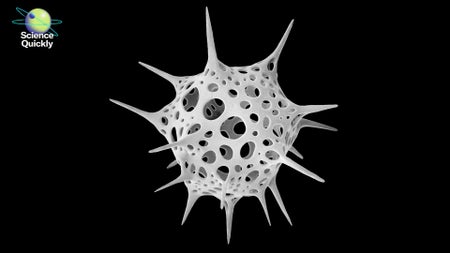
Nanocosmos Shows Nature’s Invisible Art
Artist Michael Benson reveals the hidden beauty of snowflakes, radiolarians and lunar rocks through stunning electron microscope images in his new book, Nanocosmos.
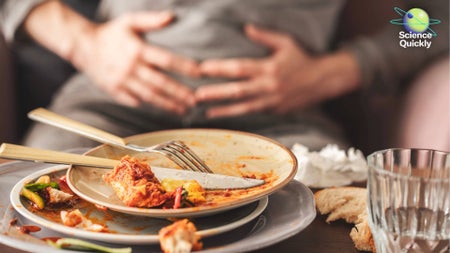
How to Keep Your Gut Happy This Holiday Season
As holiday feasts and stress approach, an expert explains how to keep your gut healthy without skipping the stuffing.

The human network behind a digital time capsule
Scientific American’s editor in chief David M. Ewalt reflects on a 20-year experiment in e-mailing the future
How mRNA Vaccines Could Transform Cancer Treatment
From COVID shots to cancer therapy, mRNA is changing medicine.

How AI Is Transforming the Grieving Process
Science writer David Berreby shares his personal journey with griefbots and discusses how they can offer unexpected comfort, insight and connection in the wake of loss.
What Food Texture Teaches Us about Perception, Culture and Language
Kendra Pierre-Louis steps in as interim host and dives into the science behind why some foods—especially mayonnaise—can gross us out.
Better Bus Systems Could Slow Climate Change
Electric cars alone can’t solve our emissions problem
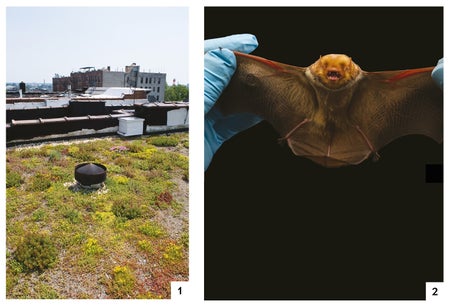
Bats Benefit from Green Roofs
The elevated gardens may help foster urban biodiversity—without taking up valuable real estate