TechnologySeptember 30, 2015
What Could Criminals Do with 5.6 Million Fingerprint Files?
The hack against the U.S. Office of Personnel Management (OPM) was bad—really bad—but the theft of biometric data was more symbolic than practical
Larry Greenemeier is the associate editor of technology for Scientific American, covering a variety of tech-related topics, including biotech, computers, military tech, nanotech and robots.
What Could Criminals Do with 5.6 Million Fingerprint Files?
The hack against the U.S. Office of Personnel Management (OPM) was bad—really bad—but the theft of biometric data was more symbolic than practical

What's Behind VW's Downfall and Secretive Emissions Deals
The German carmaker’s emissions-testing cheat reveals how car companies and government regulators negotiate trade-offs between fuel efficiency and performance

Biosciences Get Defense Secretary's Attention
At the recent DARPA Wait What? conference, Secretary of Defense Ashton Carter said lifesaving technologies are a priority for his department
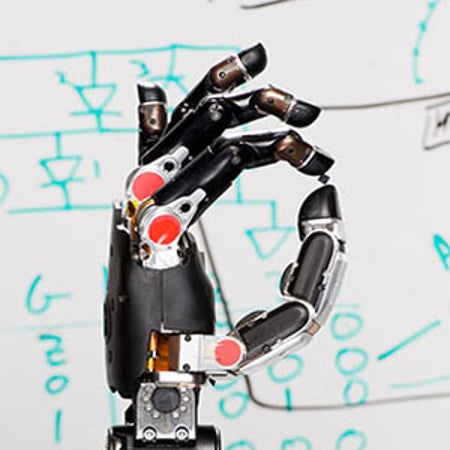
Robotic Limbs Get a Sense of Touch
DARPA’s claimed breakthrough in sensory prosthetics taps directly into the brain to send and receive signals
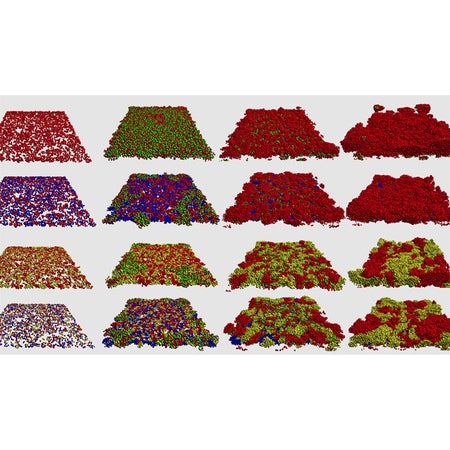
"Molecular Tweeting" Could Hold the Key to Busting Superbugs
A broader understanding of bacterial social networks might help scientists combat antibiotic resistance

When the Next Hurricane Katrina Hits: Is the U.S. Ready?
The 2005 storm forced New Orleans to improve its flood defenses, but many other shoreline towns are still woefully unprepared
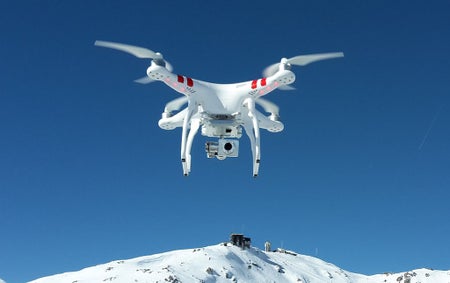
Dogfight against Rogue Drones Begins
Close encounters between aircraft pilots and unlicensed drones in the U.S. have nearly tripled in the past year
Google Will No Longer Build Driverless Cars
Co-founders Page and Brin create a collection of companies called Alphabet that let Google focus on search while others shoot for the moon
5 Mobile Technologies Help Level the Playing Field for People with Disabilities [Video]
The American’s with Disabilities Act has influenced development of smartphones, tablets and other mobile gadgets to help the disabled

Recall Shows That a Hack Attack on Car Controls Is a Credible Threat
After years of downplaying threats, carmakers are forced to admit that their vehicles are vulnerable to serious cybersecurity attacks

Can Police Use Data Science to Prevent Deadly Encounters?
As part of Obama's Police Data Initiative, researchers and police are studying "predictive analytics" to improve existing officer early warning systems
Why the FBI Wants "Special Access" to Your Smartphone
And why security experts warn that this is a terrible idea
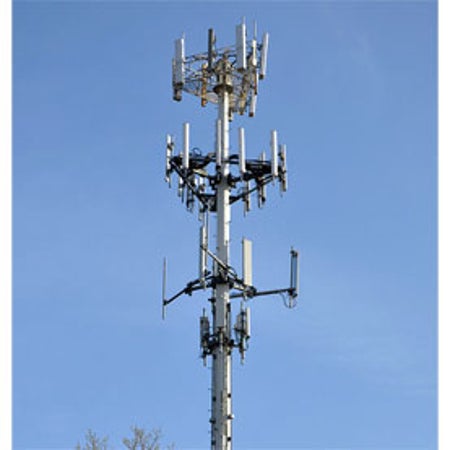
What Is the Big Secret Surrounding Stingray Surveillance?
State and local law enforcement agencies across the U.S. are setting up fake cell towers to gather mobile data, but few will admit it
Will Millimeter Waves Maximize 5G Wireless?
Wireless companies want next-generation gadgets to download at rates of gigabits per second. The question is how to make it happen
Smart Cane Could Help Blind ID Faces
High-tech sticks could help visually impaired people spot obstacles and even identify acquaintances as they approach. Larry Greenemeier reports
Can't Touch This--New Encryption Scheme Targets Transaction Tampering
An Estonia-based cybersecurity firm adopts a “blockchain” public ledger system to verify online transfers of sensitive information
Fastest Elevators in the West Climb Tallest Skyscraper in the West
When the observation deck of New York’s 1 World Trade Center opens later this month, the 100-floor elevator ride will take just a minute
Fukushima Disaster Inspires Better Emergency-Response Robots
Robots responding to Japan’s 2011 nuclear disaster initially played a marginal role due to limited capabilities. DARPA wants future robots to take the lead
In the Future Robopets Won't Be Far-Fetched
An animal behaviorist ponders a future where some Spots are robots. Larry Greenemeier reports
Smartphone Lock Pouch Leaves Students to Their Own (Unusable) Devices
One school is trying out a lightweight sack meant to keep devices from being a classroom distraction without forcing students to give up their digital lifelines
Here's What a Cyber Warfare Arsenal Might Look Like
Stuxnet was just the beginning, as malware becomes the new nuclear option
Parkinson's Pen Vibrates to Improve Legibility
Device stimulates hand muscles to counteract writing issues experienced by some people with Parkinson’s. Larry Greenemeier reports
Adaptive Headlights Could Help Drivers Avoid Hitting Bambi
Robotics researchers are building a headlight that quickly adjusts to changing conditions, allowing drivers to see through rain and snow, follow GPS directions and dodge roadway obstacles
Battery-Free Video Cam Grabs Pix--and Power--from Same Light
Miniature camera could be self-sustaining in smartphones and for surveillance