
Space & PhysicsJanuary 4, 2018
Air Force Tracks Final Frontier
General Jay Raymond, Commander of Air Force Space Command, talks about keeping watch over space and cyber.
Lee Billings is a science journalist specializing in astronomy, physics, planetary science, and spaceflight and is senior desk editor for physical science at Scientific American. He is author of a critically acclaimed book, Five Billion Years of Solitude: The Search for Life Among the Stars, which in 2014 won a Science Communication Award from the American Institute of Physics. In addition to his work for Scientific American, Billings’s writing has appeared in the New York Times, the Wall Street Journal, the Boston Globe, Wired, New Scientist, Popular Science and many other publications. Billings joined Scientific American in 2014 and previously worked as a staff editor at SEED magazine. He holds a B.A. in journalism from the University of Minnesota.
Air Force Tracks Final Frontier
General Jay Raymond, Commander of Air Force Space Command, talks about keeping watch over space and cyber.
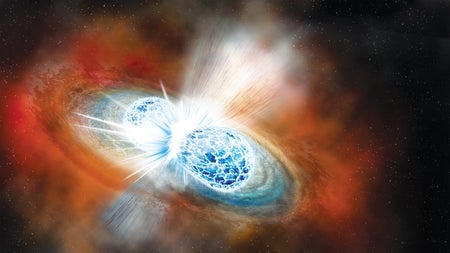
Better Instruments Give Scientists a New Way to Study the Cosmos
The era of “multimessenger astronomy” has arrived
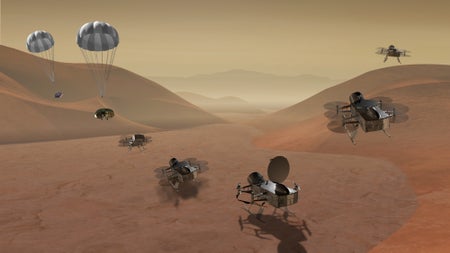
Where Will NASA Go Next? Saturn's Moon Titan, or Maybe a Comet
A flying drone to sniff out life on Titan and a spacecraft to return comet samples to Earth are finalists in NASA’s search for its next interplanetary destination
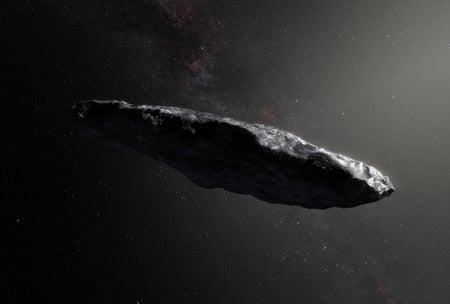
Alien Probe or Galactic Driftwood? SETI Tunes In to 'Oumuamua
It’s a long shot, but scientists are about to listen very closely for radio signals from our solar system’s first known interstellar visitor
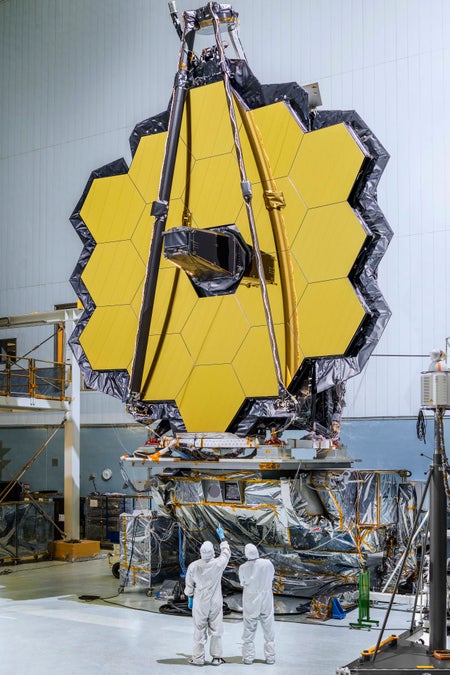
What Will NASA’s Biggest-Ever Space Telescope Study First?
To fully utilize the long-awaited James Webb Space Telescope, researchers will have to squeeze a generation of scientific studies into the multibillion-dollar observatory’s short lifetime
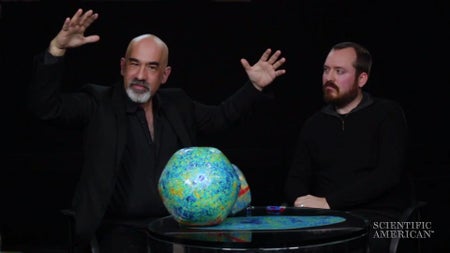
Inflating the Universe with Prize-Winning Cosmologist David Spergel
This year’s Breakthrough Prize in Fundamental Physics was awarded to the team behind NASA’s Wilkinson Microwave Anisotropy Probe, or WMAP, a space telescope that launched in 2001 to map the cosmic microwave background—the earliest, oldest light we can detect from the universe’s infancy. The WMAP team will split the $3 million award, with its leaders receiving the largest shares. One of those leaders, WMAP’s chief theorist David Spergel, sat down to speak with Scientific American about WMAP’s science and its legacy.

A Map of Future Exoplanetary Discovery
Most of the alien worlds closest to our own are found around the smallest, dimmest nearby stars
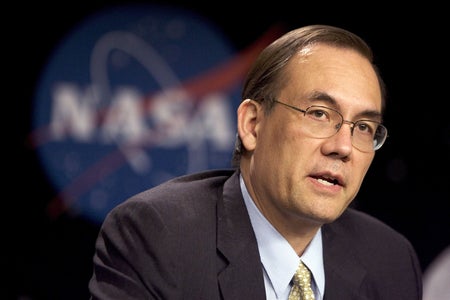
Q&A: Plotting U.S. Space Policy with White House Adviser Scott Pace
The Executive Secretary of the National Space Council discusses the Trump administration’s plans to “make America great again”—in space
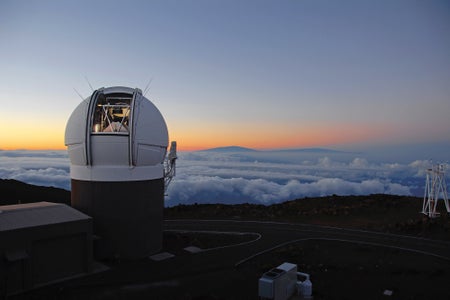
Astronomers Spot First-Ever Space Rock from Another Star
As it departs the inner solar system, scientists are racing to study the object before it fades from view
Astrophysicist Leads a Tour of the "Zoomable Universe"
A conversation with scientist and author Caleb Scharf about the relative scales of the universe, the limits of knowledge and finding significance in life
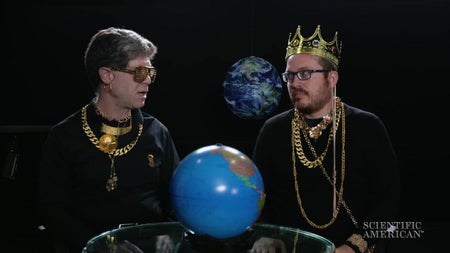
Neutron Star Collisions Create Gold
Astrophysicists searching for gravitational waves have finally learned what happens when you crash two neutron stars together--and it's very, very shiny.
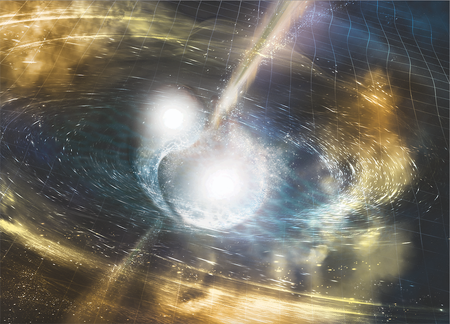
Gravitational Wave Astronomers Hit Mother Lode
Spacetime ripples from a stellar cataclysm in a distant galaxy help explain the cosmic origins of gold, and chart the course for a new age of “multi-messenger” astronomy
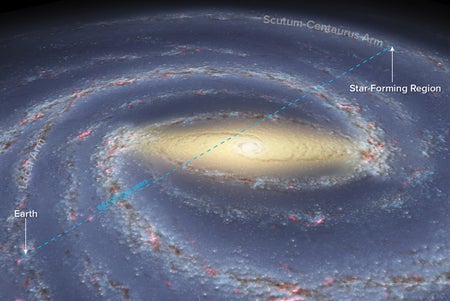
Astronomers Are Finally Mapping the “Dark Side” of the Milky Way
Half of our home galaxy is terra incognita. That will soon change
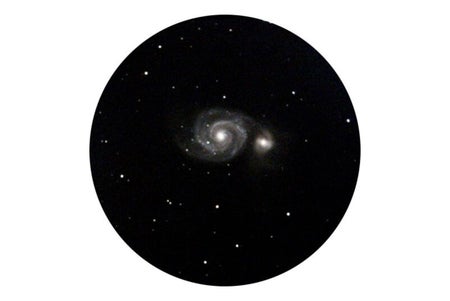
New Telescope "Gives Back the Sky" to City-Dwellers
China’s Huge Investments in Science Are Starting to Pay Off
Seeing a chance to lead, China is deploying clean energy, quantum satellites and genomics
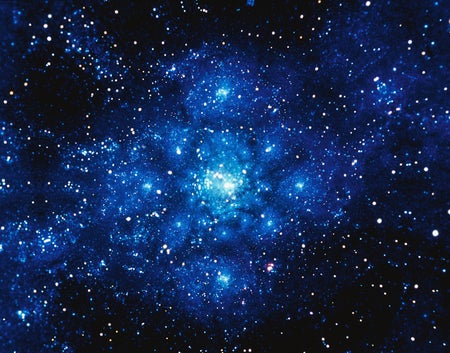
Galaxies Far, Far Away Send Us Highest-Energy Cosmic Rays
A new study hints that the most energetic particles ever seen come from far beyond the Milky Way.
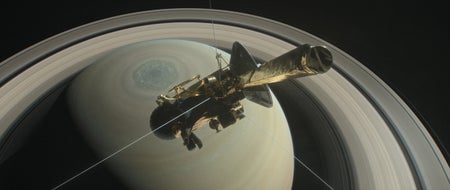
Cassini’s “Grand Finale” Will Be a Blaze of Glory
The Cassini orbiter will burn out, but its legacy won’t fade away
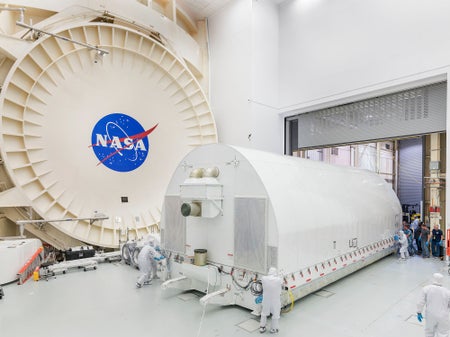
James Webb Space Telescope Surrounded by Rising Floodwaters
Isolated in a giant thermal vacuum chamber, NASA’s $8.6 billion next-generation observatory is riding out the worst of Hurricane Harvey
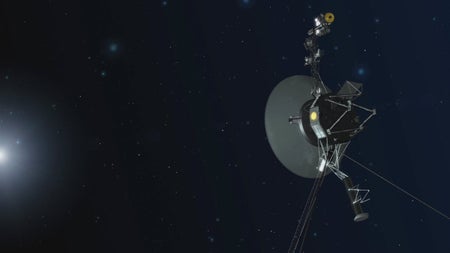
“The Farthest” Brings NASA’s Voyager Missions Back to Earth
A new documentary marks the 40th anniversary of humanity’s most audacious interplanetary spacecraft
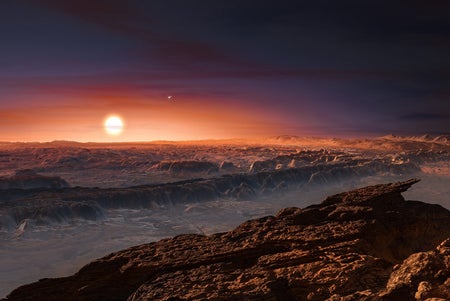
The Air out There: Astronomers Aim to Find Atmospheres of Alien Earths
Is our nearest neighboring exoplanet, Proxima b, an "Earth next door," or is it a lifeless rock?
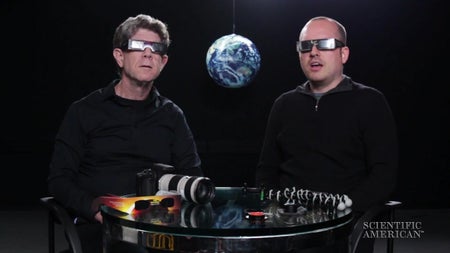
Witness the Solar Eclipse without Frying Your Eyes or Your Camera
America is preparing for a sea-to-shining-sea solar eclipse. Here’s how you can watch the spectacular display, and maybe even snap a photo to commemorate the event, without burning your retinas or damaging your camera’s optics.
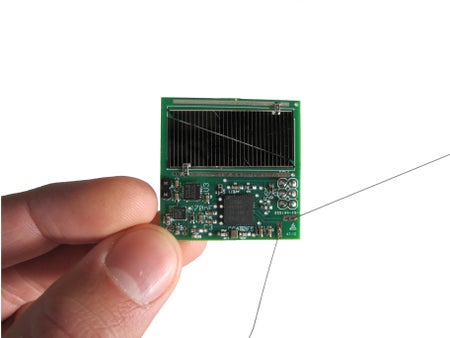
Reaching for the Stars, Breakthrough Sends Smallest-Ever Satellites into Orbit
Despite technical glitches and regulatory hurdles, nanosatellite swarms could someday be the cornerstone for revolutionary interplanetary or even interstellar space-science missions
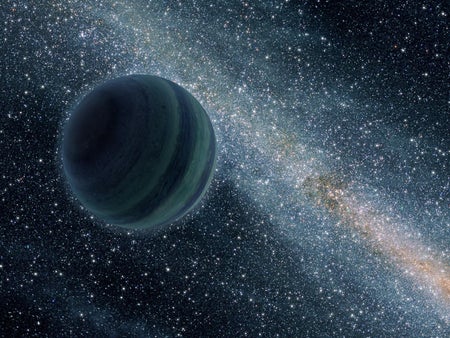
Wandering in the Void, Billions of Rogue Planets without a Home
New results suggest free-floating giant planets are less common than previously believed, but hint at vast numbers of smaller castaway worlds
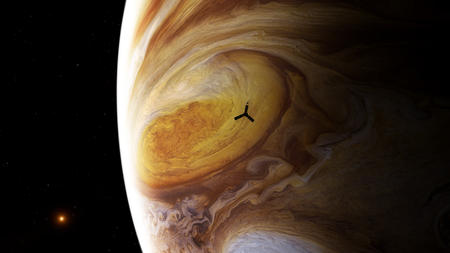
Juno Delivers Stunning New Views of Great Red Spot
Scientists and the public are dazzled by images from the spacecraft’s close encounter with Jupiter’s largest—and the solar system’s most famous—storm