ConservationDecember 5, 2017
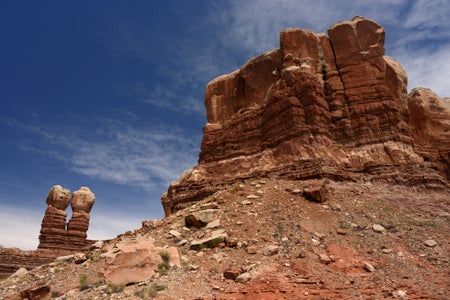
Archaeologists Uneasy as Trump Shrinks Bears Ears Monument Lands
Thousands of ancient Native American sites could lose protections
First published in 1869, Nature is the world's leading multidisciplinary science journal. Nature publishes the finest peer-reviewed research that drives ground-breaking discovery, and is read by thought-leaders and decision-makers around the world.
Archaeologists Uneasy as Trump Shrinks Bears Ears Monument Lands
Thousands of ancient Native American sites could lose protections
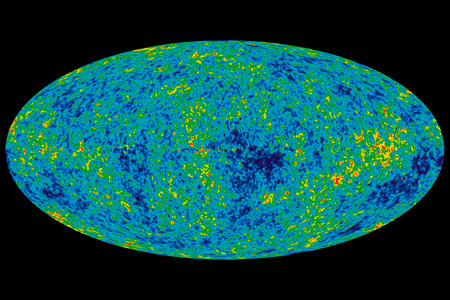
Universe’s Baby Picture Wins $3 Million
Image joins 13 other winners in lucrative Breakthrough Prizes
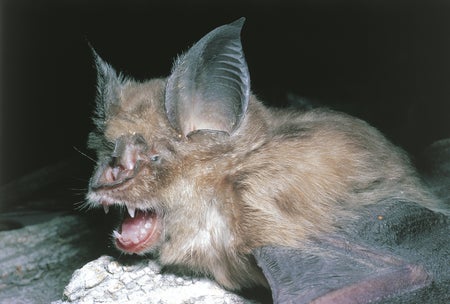
Bat Cave Solves Mystery of Deadly SARS Virus
The latest findings also suggest a new outbreak could occur

Gravity Signals Could Speedily Warn of Big Quakes and Save Lives
The trick lies in capturing the weak gravitational shifts in the ground

How an Underwater Sensor Network Is Tracking Argentina’s Lost Submarine
An expert from a nuclear-test-monitoring system explains how his team is trying to help in the search for the ARA San Juan

Zimbabwe’s Scientists Hope Political Change Will Revitalize Research
Academics are optimistic that the end of Robert Mugabe’s authoritarian rule could boost science and international collaboration
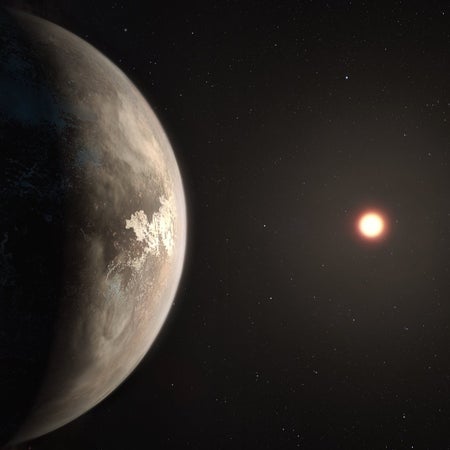
Exoplanet Hunters Rethink Search for Alien Life
Astronomers expand ideas of how chemistry and geology could affect chances for life on other worlds
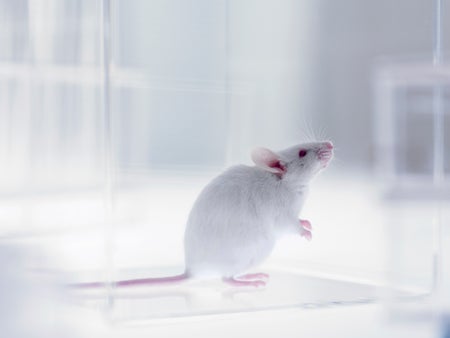
Sex Matters in Experiments on Party Drug—in Mice
Ketamine lifts rodents' mood only if administered by male researchers
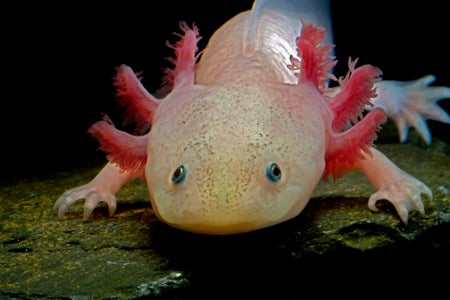
Biology's Beloved Amphibian--the Axolotl--Is Racing toward Extinction
Although abundant in captivity, the salamander has nearly disappeared from its natural habitat—and that is a problem
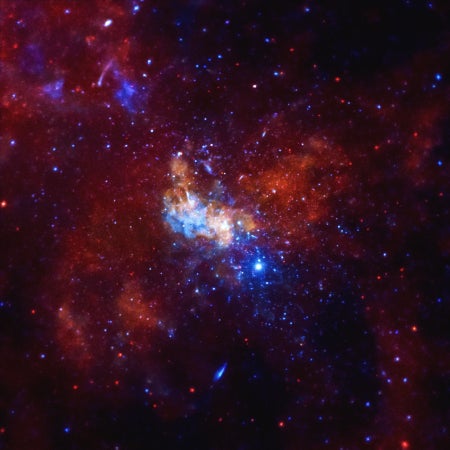
Europe Sets Priorities for Hunting Cosmic Particles
Club of physics funding agencies pushes for projects including a neutrino observatory in the Mediterranean Sea

What Countries’ Constitutions Reveal about How Societies Evolve
Analyses of governing documents from 194 countries could help people fighting for human and environmental rights
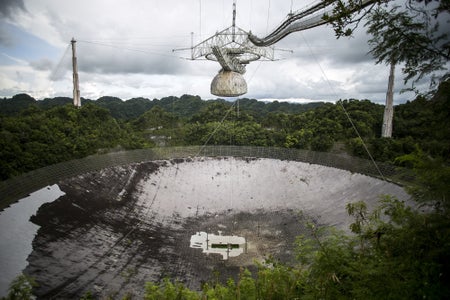
Arecibo Telescope Wins Reprieve from U.S. Government
National Science Foundation will look for partners to provide extra financial support for Puerto Rico facility
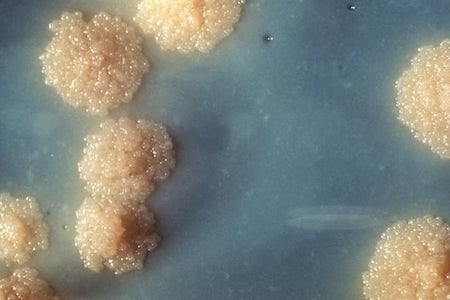
Improved Diagnostics Fail to Halt the Rise of Tuberculosis
TB remains a big killer despite the development of a better test for detecting the disease

Hazy Skies Cool Down Pluto
Complex chemistry in the dwarf planet’s upper atmosphere may explain one of its biggest mysteries
China Fires Up Next-Generation Neutron-Science Facility
Beam generator puts country in elite company for doing experiments in materials science and other fields

Physicists Shrink Plans for Next Major Collider
Large Hadron Collider’s failure to detect new particles beyond the Higgs has eroded the case for Japan’s proposed linear accelerator
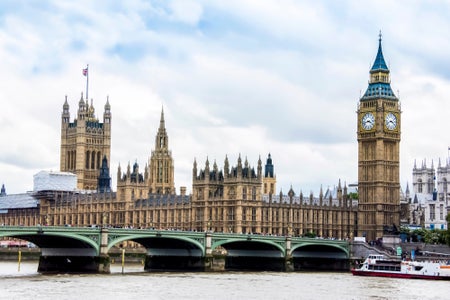
U.K. Government Appoints Next Chief Scientific Adviser
A former pharmaceutical boss will help navigate the U.K.'s exit from the European Union
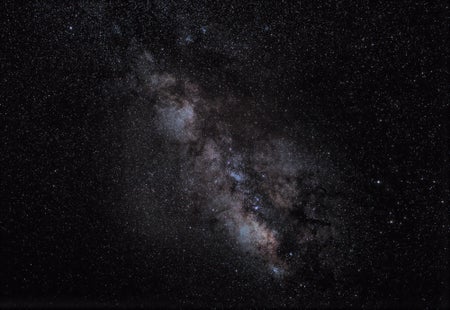
Dark Matter Hunt Fails to Find the Elusive Particles
Physicists begin to embrace alternative explanations for the missing material

Genetically Modified Browning-Resistant Apple Reaches U.S. Stores
Success for the “Arctic apple” could herald a new wave of lab-grown foods

Language Patterns Reveal Body’s Hidden Response to Stress
Volunteers' use of certain words predicted stress-related changes in gene expression better than their self-reported feelings
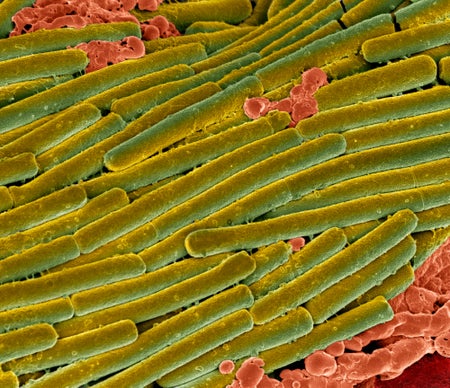
Gut Microbes Can Shape Responses to Cancer Immunotherapy
Studies find that species diversity and antibiotics influence cutting-edge treatments

Controversial Chairman of U.S. House Science Committee to Retire
Representative Lamar Smith, a Republican from Texas, will not run for re-election in 2018
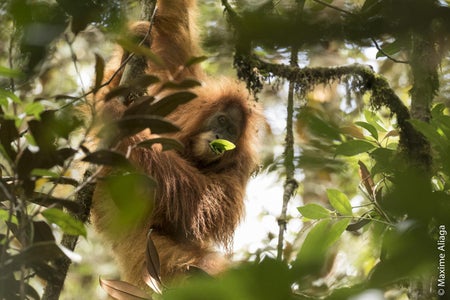
Newly Discovered Orangutan Species Is Also the Most Endangered
The first new species of great ape described in more than eight decades faces threats to its habitat

Infusions of Young Blood Tested in Patients with Dementia
The controversial approach aims to rejuvenate old tissue