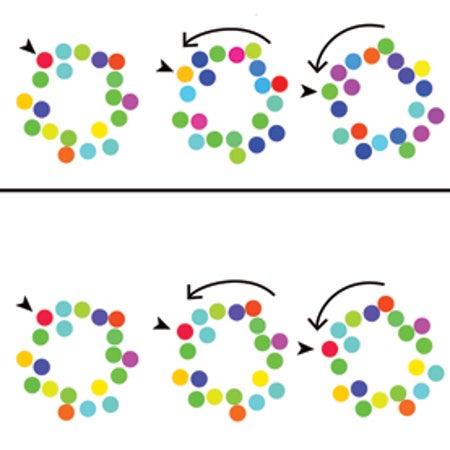
Mind & BrainJanuary 1, 2012
Illusion Contest Offers Mind-Warping Visions
10 brain twisters compete to be the best illusion of 2011
Stephen L. Macknik is a professor of opthalmology, neurology, and physiology and pharmacology at SUNY Downstate Medical Center in Brooklyn, N.Y. Along with Susana Martinez-Conde and Sandra Blakeslee, he is author of the Prisma Prize-winning Sleights of Mind. Their forthcoming book, Champions of Illusion, will be published by Scientific American/Farrar, Straus and Giroux.
Illusion Contest Offers Mind-Warping Visions
10 brain twisters compete to be the best illusion of 2011
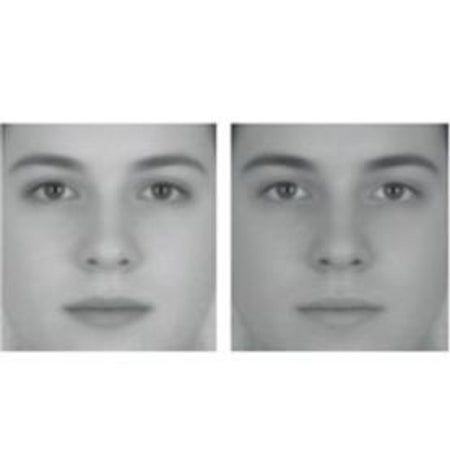
Illusions Unmask Our "Face Sense"
The human brain is good at identifying faces, but illusions can fool our "face sense"

Sculpting the Impossible: Solid Renditions of Visual Illusions
Artists find mind-bending ways to bring impossible figures into three-dimensional reality
Minuscule Eye Motions Reveal Your True Thoughts
Tiny subconscious eye movements called microsaccades stave off blindness in all of us—and can even betray our hidden desires
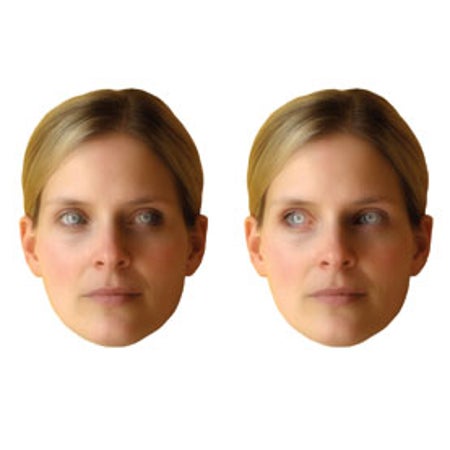
The Eyes Have It
Eye gaze is critically important to social primates such as humans. Maybe that is why illusions involving eyes are so compelling
Colors Out of Space [Slide Show]
Colors can change with their surroundings and spread beyond the lines
10 Top Illusions
Balls that roll uphill, bathtubs that stretch and shrink, freaky faces and throbbing hearts. Welcome to the year's best visual tricks
The Illusions of Love
How do we fool thee? Let us count the ways that illusions play with our hearts and minds
Mind over Magic? Conjuring Reveals How Our Neural Circuits Can Be Hacked
Magicians dazzle us by exploiting loopholes in the brain's circuitry for perceiving the world and paying attention
Hungry for Meaning: Why Tofu Burgers Taste Better than You'd Expect
The brain recognizes food-based illusions on multiple levels
Illusions: Colors Out of Space [Slide Show]
This is the 11th article in the Mind Matters series on the neuroscience behind visual illusions
Food for Thought: Creating Edible Illusions--and Great Art [Slide Show]
This is the 10th article in the Mind Matters series on the neuroscience behind visual illusions.
The Eyes Have It
Eye gaze is critically important to social primates such as humans. Maybe that is why illusions involving eyes are so compelling
Sculpting the Impossible: Solid Renditions of Visual Illusions
Artists find mind-bending ways to bring impossible figures into three-dimensional reality

What's in a Face?
The human brain is good at identifying faces, but illusions can fool our “face sense”
Art as Visual Research: Kinetic Illusions in Op Art
Art and neuroscience combine to create fascinating examples of illusory motion
The Neuroscience of Yorick's Ghost and Other Afterimages
Staring at images can temporarily reset retinal cells and cause ghostly visions

Colors Out of Space
Colors can change with their surroundings and spread beyond the lines
The Illusion of Love
How do we fool thee? Let us count the ways that illusions play with our hearts and minds
Food for Thought: Visual Illusions Good Enough to Eat
Face or food? The brain recognizes edible artwork on multiple levels
The Neuroscience of Illusion
How tricking the eye reveals the inner workings of the brain
A Perspective on 3-D Visual Illusions
What the leaning tower and related illusions reveal about how your brain constructs 3-D images
Illusions: What's in a Face?
This is the ninth article in the Mind Matters series on the neuroscience behind visual illusions
The Neuroscience of Yoricks's Ghost and Other Afterimages
This is the eighth article in the Mind Matters series on the neuroscience behind visual illusions.