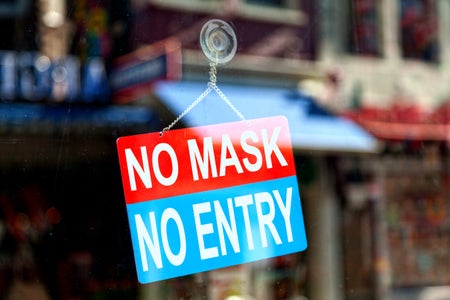
OpinionDecember 9, 2020
What Motivates COVID Rule Breakers?
The answer turns out to be complicated
What Motivates COVID Rule Breakers?
The answer turns out to be complicated
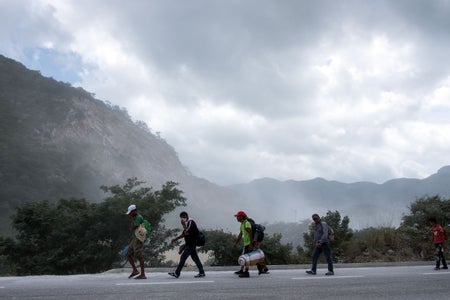
Undocumented Immigrants Are Half as Likely to Be Arrested for Violent Crimes as U.S.-Born Citizens
Some of the most solid evidence to date shows that President Trump’s cornerstone immigration policy was built on a wholly false premise


The Secret Sauce in Opinion Polling Can Also Be a Source of Spoilage
Even a small departure from randomness in your sample can skew the results
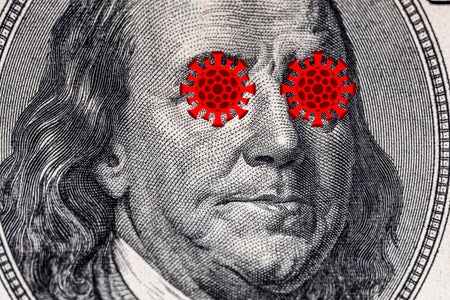
Conflicts of Interest and COVID
Financial incentives can be a factor in pandemic policy decisions—albeit frequently at a subconscious and unintentional level
The U.S. Has Embraced Immigrant Tech Entrepreneurs—Now It’s Europe's Turn
Things are finally changing in the E.U., but there’s still a long way to go
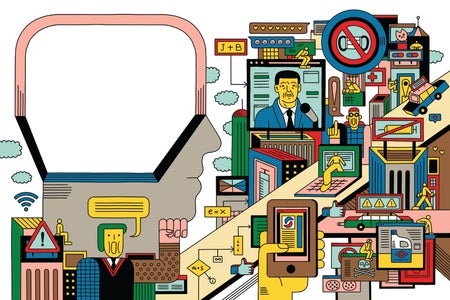
Information Overload Helps Fake News Spread, and Social Media Knows It
Understanding how algorithm manipulators exploit our cognitive vulnerabilities empowers us to fight back

Does Failure Make Victory Seem Sweeter?
Researchers investigate the “sour-grape effect”
Scientists Are Becoming More Politically Engaged
Here’s what that means beyond the 2020 elections

Scale Up Tutoring to Combat COVID Learning Loss for Disadvantaged Students
Studies show impressive gains after even online tutoring

Distrust Authorities, Including Me
The presidential election and pandemic have highlighted the fallibility of experts, but that doesn’t mean we should dismiss them all

Dating during the Pandemic: Can You Trust an ‘Antibody Positive’ Claim?
Testing positive for COVID antibodies is not a pass to date freely
Why Polls Were Mostly Wrong
Princeton’s Sam Wang had to eat his words (and a cricket) in 2016. He talks about the impacts of the pandemic and QAnon on public-opinion tallies in 2020