OpinionNovember 10, 2020
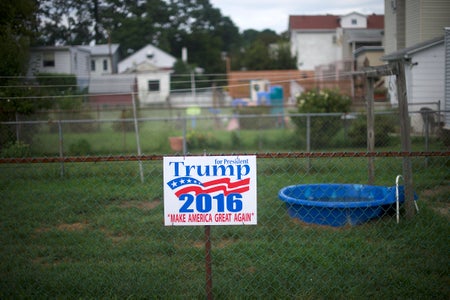
What Conversations with Voters Taught Me about Science Communication
Even during a bitter election season, persuasive conversations were not only possible but surprisingly attainable
What Conversations with Voters Taught Me about Science Communication
Even during a bitter election season, persuasive conversations were not only possible but surprisingly attainable
There’s No Good Evidence That Psychedelics Can Change Your Politics or Religion
The balance of data don’t support the idea, and claims otherwise could lead to alarmism


In the Early Americas, Female Hunters Pursued Big Game, Study Suggests
Millennia-old burial sites show equal-opportunity hunting roles might have been commonplace

How Weight Bias May Affect Dogs and Their Owners
Dog and owner body weight can influence veterinarians’ perceptions

Election Science Stakes: Technology
We wrap up our preelection series with Scientific American senior editor Jen Schwartz, who talks about the possible effects of the election results on technology development and use.
Researchers' Politics Don't Undermine Their Scientific Results
A new study finds no serious evidence of a liberal (or conservative) bias with respect to replicability, quality or impact of research
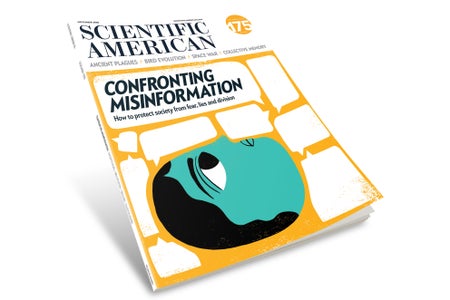
Resist Misinformation, Watch Birds and Remember Plagues
Our November issue features space wars, a mysterious disorder of mind and brain, and past pandemics
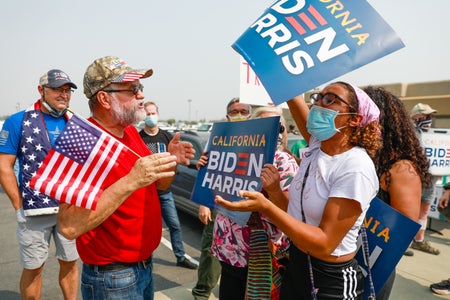
Why Hatred and ‘Othering’ of Political Foes Has Spiked to Extreme Levels
The new political polarization casts rivals as alien, unlikable and morally contemptible

Media Multitasking Disrupts Memory, Even in Young Adults
Simultaneous TV, texting and Instagram lead to memory-sapping attention lapses
Conservative and Liberal Brains Might Have Some Real Differences
Scanners try to watch the red-blue divide play out underneath the skull

Why Some Easter Island Statues Are Where They Are
Many of the statues not along the coast are in places that featured a resource vital to the communities that lived and worked there.
The Psychology of Fact-Checking
Fact-checkers aim to get closer to the truth, but their biases can shroud the very truth they seek