
BehaviorAugust 4, 2020
Misdiagnosing Our Cyberhealth
Why do we ignore information that could improve our ability to predict the odds of a personal cyberattack?
Misdiagnosing Our Cyberhealth
Why do we ignore information that could improve our ability to predict the odds of a personal cyberattack?
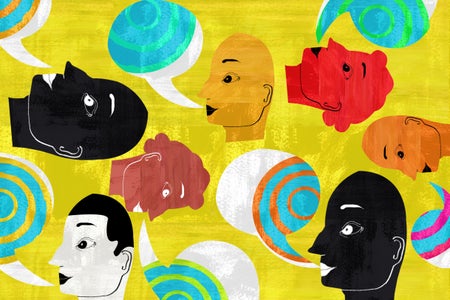
How Dozens of Languages Help Build Gender Stereotypes
Usage patterns shape biases worldwide, whether in Japanese, Persian or English

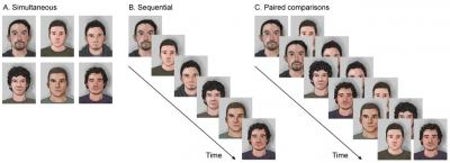
Paired Comparisons Could Mean Better Witness Identifications
Compared with traditional lineup techniques, a series of two-faces-at-a-time choices led to more accurate identification by study witnesses.

How to Evaluate COVID-19 News without Freaking Out
Disinformation expert Carl Bergstrom gives tips on how to stay calm and make sense of pandemic news

We’ll Never Fix Systemic Racism by Being Polite
Contrary to the sanitized version we sometimes hear about the civil rights movement, change was not achieved solely by protest marches and people singing “We Shall Overcome”
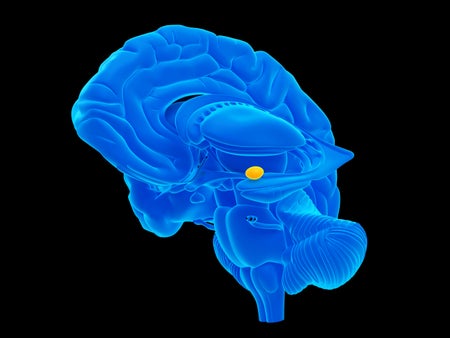
Neural Switch Flips on Aggression in Male Mice
A separate set of cells in the same region regulate sexual behavior
Another Tragic Epidemic: Suicide
Suicide rates have been rising for two decades in the U.S. Will the pandemic make things worse?
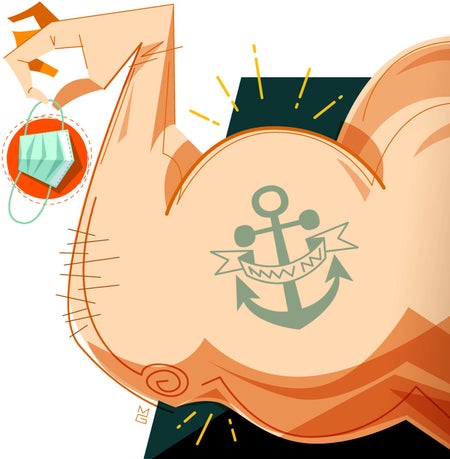
Why Some Male Leaders Won’t Follow COVID-19 Safety Protocols
Men often think masks and other precautions make them look like wimps
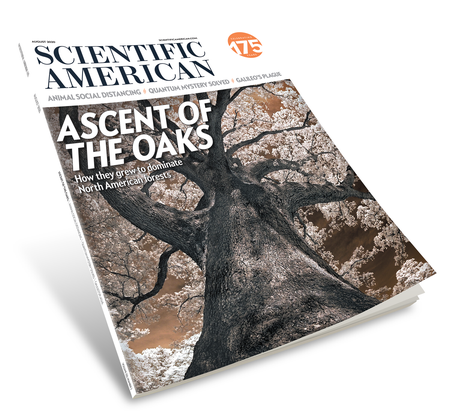
Quarantine Lessons from Lobsters, Guppies, Finches and Galileo
In this issue, a quantum mystery is solved, and we learn how to measure what matters
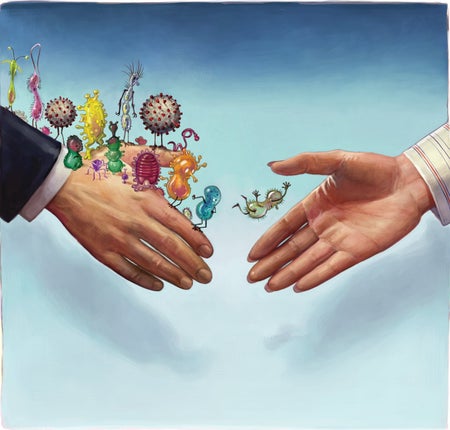
Our Temporary Moratorium against Handshakes Should Become Permanent
The COVID-19 pandemic has ushered in an overdue development
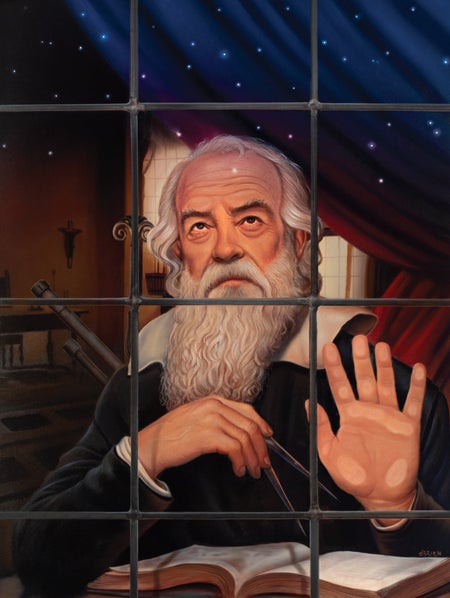
Galileo’s Lessons for Living and Working through a Plague
An outbreak in Italy in the 1630s forced him to find new ways of doing his research and connecting with his family
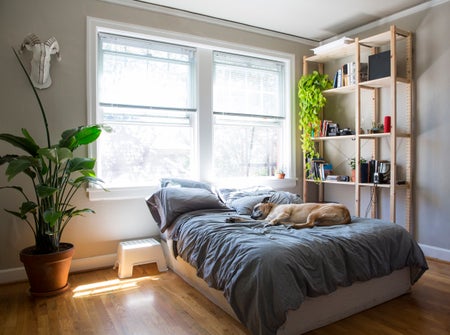
How Your Homes and Buildings Affect You
Journalist and author Emily Anthes talks about her book The Great Indoors: The Surprising Science of How Buildings Shape Our Behavior, Health, and Happiness.