
FitnessJanuary 1, 2018
Why Our Own Immune Systems Attack Our Best Drugs--and How to Stop It
Many new drugs trigger an immune reaction that cripples them—and the race is on to thwart the attack
Why Our Own Immune Systems Attack Our Best Drugs--and How to Stop It
Many new drugs trigger an immune reaction that cripples them—and the race is on to thwart the attack

FDA Approves First Gene Therapy Targeting Rare Form of Inherited Blindness
The historic treatment’s costs could top $1 million

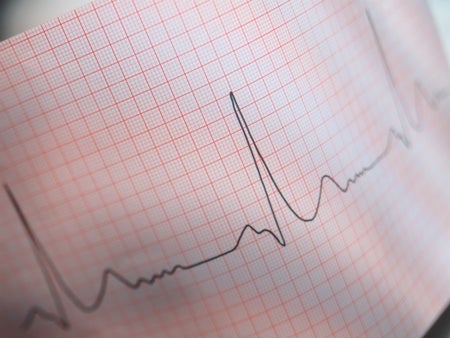
Radiation Might Help Heart Regain Its Rhythm
A flash of radiation drastically reduced arrhythmia in a small group of patients, for at least a year after treatment. Christopher Intagliata reports.

Electric Eel–Inspired Devices Could Power Artificial Human Organs
Power source is flexible, transparent and runs on saltwater
DNA Has Gone Digital—What Could Possibly Go Wrong?
Biologists remain largely unaware of the potential vulnerabilities that come with digitizing biotechnology

Smarter Management Means More Inventions Get to Market
Rosemarie Truman, CEO of the Center for Advancing Innovation, says a better system of governance for federally funded inventions could lead to many more good ones becoming commercialized.
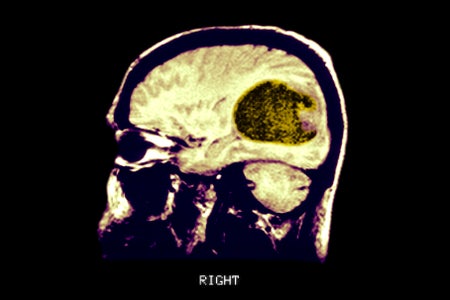
Brain Organoids Get Cancer, Too, Opening a New Frontier in Personalized Medicine
Scientists hope to test experimental therapies on these “micro-brains”

Top 10 Emerging Technologies of 2017
Disruptive solutions that are poised to change the world
Ultrasound Could Offer Noninvasive Treatment for Parkinson’s and Depression
The prospect of focusing the beams without destroying tissue might someday diagnose or even restore faulty brain circuits

Is the FDA Withholding Data about a Controversial Drug to Protect Its Manufacturer?
The Food and Drug Administration, Sarepta and the case of the missing drug data
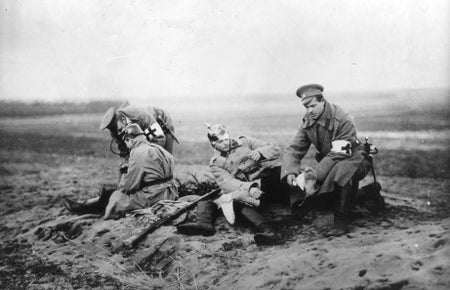
6 Medical Innovations That Moved from The Battlefield to Mainstream Medicine
Wartime clinicians have taught us a lot about fighting infection

Massive Skin Replacement Saves Child’s Life
European doctors use gene therapy to correct an inherited disease and replace 80 percent of Syrian refugee's epidermis