
Public HealthNovember 6, 2017
Flu Vaccine “Factories” Create Errors That Reduce Protection
Eggs used to grow viruses for flu shots trigger changes that leave people vulnerable
Flu Vaccine “Factories” Create Errors That Reduce Protection
Eggs used to grow viruses for flu shots trigger changes that leave people vulnerable

Infusions of Young Blood Tested in Patients with Dementia
The controversial approach aims to rejuvenate old tissue

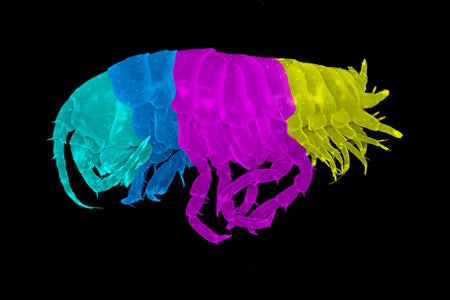
Mail-Order CRISPR Kits Allow Absolutely Anyone to Hack DNA
Experts debate what amateur scientists could accomplish with the powerful DNA editing tool—and whether its ready availability is cause for concern

Do We Need Brain Implants to Keep Up with Robots?
Neuroscientist Christof Koch calls for a “crash program” in brain technologies to make us smarter

Bacteria Gang Together in Killer Biofilms, but Scientists Can Disrupt Gang Communications
Biofilms—3-D mats of bacteria—kill as many people as cancer does and fight off antibiotics. Now scientists are turning biofilms’ own weapons against them
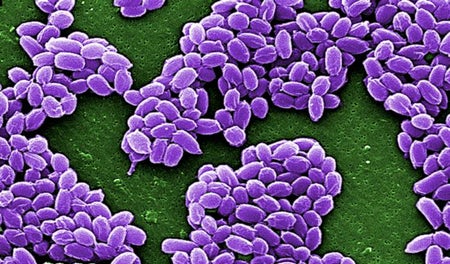
Government Report Calls for Better Oversight of Labs Handling Dangerous Pathogens
The audit recommends an overhaul of the Select Agent Program
New Gene-Editing "Pencil" Erases Disease-Causing Errors
This tool could, in theory, fix genetic mistakes that lead to about 15,000 illnesses

A Start-Up Wants to Calm You Down with a Cardiac Drug You Pop Like a Mint
A company called Kick wants to market to the masses a heart medication that would be used for reversing stage fright. Some medical professionals are getting agitated

Scientists Zero In on a New Target for Obesity
A compound that helps rodents and monkeys slim down could offer a promising approach for human therapies
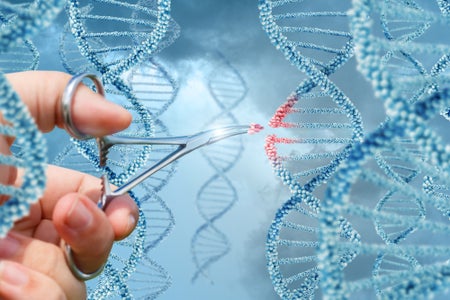
How Did Scientists Edit the Genes of Human Embryos?
Scientists have successfully edited the genes of human embryos. What does this mean for the future of genetic engineering?
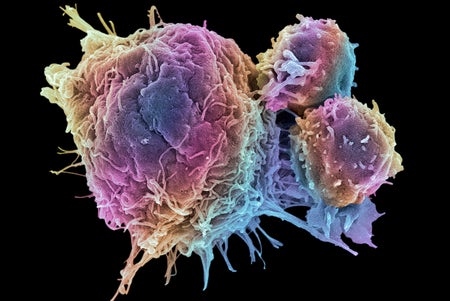
Cancer "Moon Shot" Effort Nets New Funds with NIH–Pharma Partnership
The $215-million infusion will support immunotherapy work
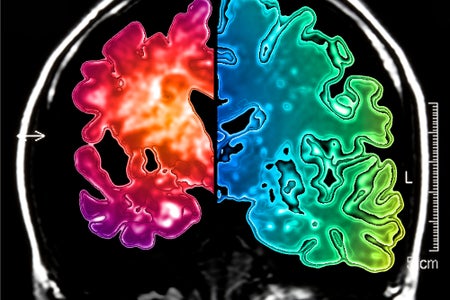
Could the “Alzheimer’s Gene” Finally Become a Drug Target?
Shutting down the top risk gene holds potential for halting the disease process