ChemistryJune 8, 2017
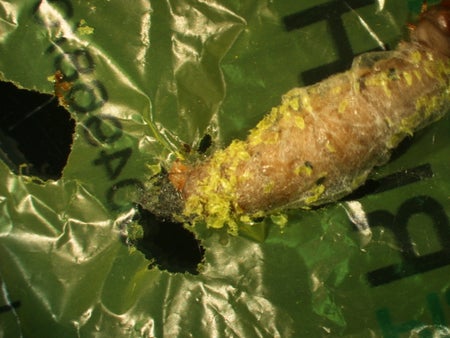
Plastic-Eating Worms Could Inspire Waste-Degrading Tools
Wax moth larvae can consume and degrade polyethylene at an impressive rate
Plastic-Eating Worms Could Inspire Waste-Degrading Tools
Wax moth larvae can consume and degrade polyethylene at an impressive rate

New NASA-Inspired Fire Shelters Could Better Withstand Blazes
The U.S. Forest Service could begin using fire shelters made with NASA heat-shield technology as early as this summer

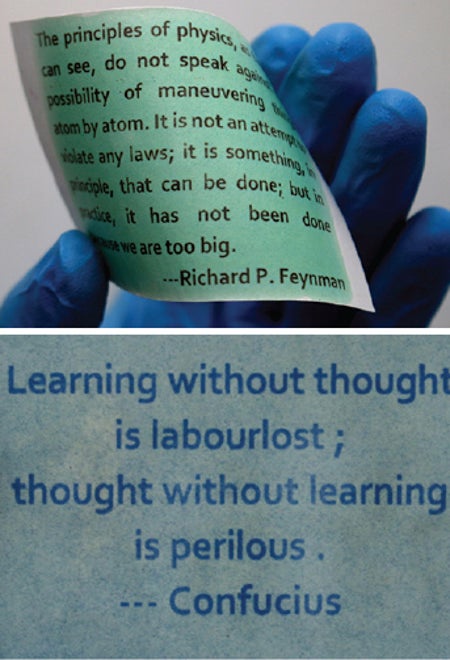
Reprintable Paper Offers Sustainable Alternative to the Printed Word
A new nanoparticle coating technique prints text that lasts up to five days
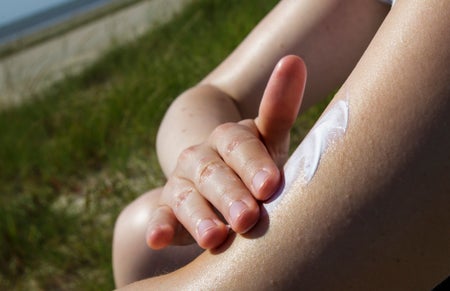
How Do the Chemicals in Sunscreen Protect Our Skin from Damage?
Recognition of the risks posed by UV rays has motivated scientists to study what’s going on in our cells when they’re in the sun—and devise modern ways to ward off that damage
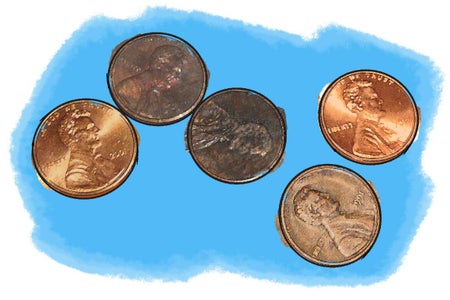
Shine Bright Like a...Penny!
A shiny new chemistry activity
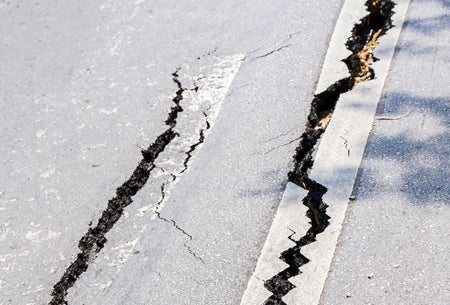
New Concrete Recipes Could Cut Cracks
Recipes for concrete that incorporate by-products from the coal and steel industries, like fly ash and slag, could reduce road salt–related cracking. Christopher Intagliata reports.
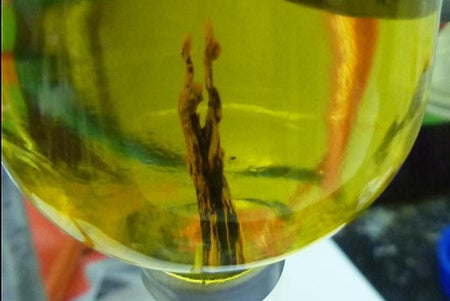
Life's Origins by Land or Sea? Debate Gets Hot
Volcanic springs and deep-ocean vents get new evidence
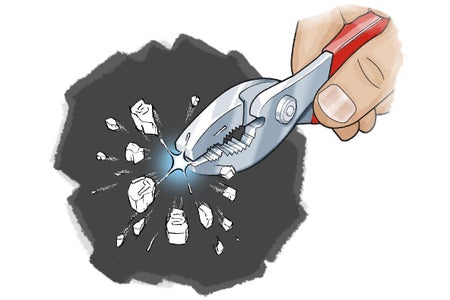
Candy Lightning
A flashy project from Science Buddies

Grizzly Diet Has Several Surprises, Bear Hair Chemistry Shows
Even in salmon season the bears eat lots of plants—and later gorge mostly on salmon brains

Time to Clean...Your Water!
A purely scientific project

Psychedelic Compound in Ecstasy Moves Closer to Approval to Treat PTSD
A promising treatment that uses MDMA could help people suffering with post-traumatic stress disorder
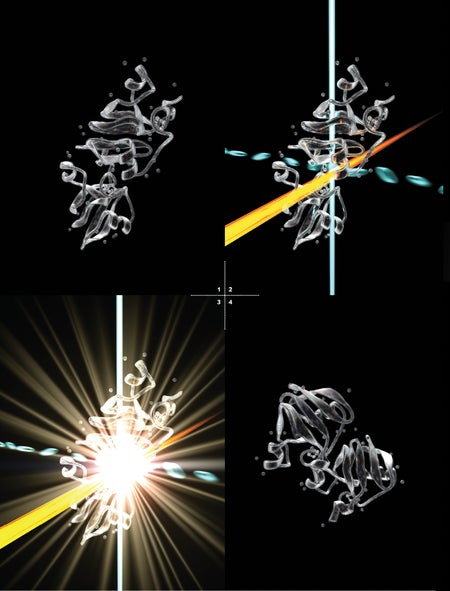
World’s Fastest Movies Capture Molecules in Motion
New movies of drug proteins or photosynthesis in action, shot in millionths of a billionth of a second, show how the molecules work—or fail