
CognitionAugust 27, 2019
New Insights into Self-Insight: More May Not Be Better
An innovative study technique yields surprising results that counter the popular idea that knowing yourself is good for you
New Insights into Self-Insight: More May Not Be Better
An innovative study technique yields surprising results that counter the popular idea that knowing yourself is good for you

Emotionally Extreme Experiences, Not Just “Positive” or “Negative” Experiences, Are More Meaningful in Life
Peak emotional experiences are the most meaningful ones in our lives


The Dawn of Self-Consciousness
A sudden moment of self-awareness in childhood propels people on a quest to explore life’s mysteries

Jacks-of-All-Trades Make the Grade
Journalist and author David Epstein talks about his new book Range: Why Generalists Triumph in a Specialized World.

Stare Down Gulls to Avoid Lunch Loss
Researchers slowed the approach of greedy gulls by an average of 21 seconds by staring at the birds versus looking elsewhere. Christopher Intagliata reports.

Real Laughs Motivate More Guffaws
Honest, involuntary laughter cued people to laugh more at some really bad jokes than they did when hearing forced laughter.
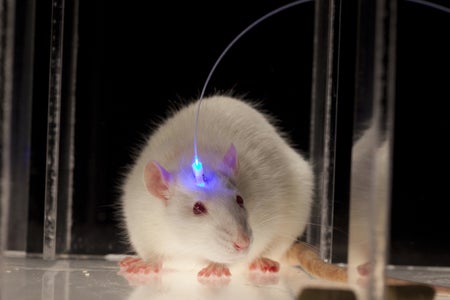
How to Make a Mouse Hallucinate
A real-time capture of brain-circuit activity shows how simple it is to change what an animal sees

Decoding the Language of Neurons
A new study reveals surprising variations in the neural code

Babies Know the Difference between the Laughter of Friends and Strangers
Five-month-olds may use chuckles to identify information about social interactions
The Psychology Podcast Recap (June 2019): Good Porn and the Quest for a Moral Life
The Psychology Podcast Recap for June 2019
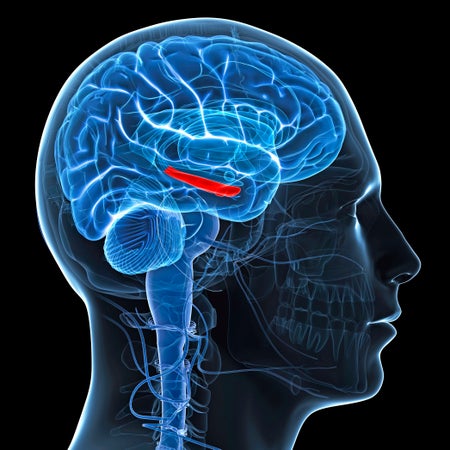
Our Brain Uses a Not-So-Instant Replay to Make Decisions
Neural processing centers repeat recent sequences of events to lay down new memories used for abstract thought

What’s So Funny? The Science of Why We Laugh
Psychologists, neuroscientists and philosophers are trying to understand humor