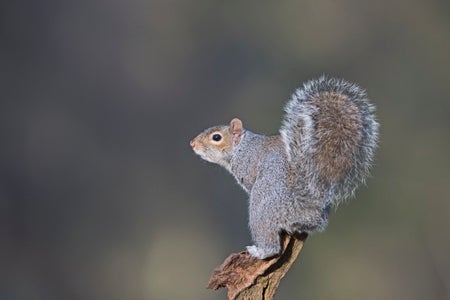
Eavesdropping Puts Anxious Squirrels at Ease
Squirrels constantly scan their surroundings for hawks, owls and other predators. But they also surveil for threats by eavesdropping on bird chatter. Christopher Intagliata reports.

Eavesdropping Puts Anxious Squirrels at Ease
Squirrels constantly scan their surroundings for hawks, owls and other predators. But they also surveil for threats by eavesdropping on bird chatter. Christopher Intagliata reports.

Which Weighs More, a Pound of Stone or a Pound of Styrofoam?
It’s not a trick question: your brain answers differently, depending on whether the materials are part of the same object or not


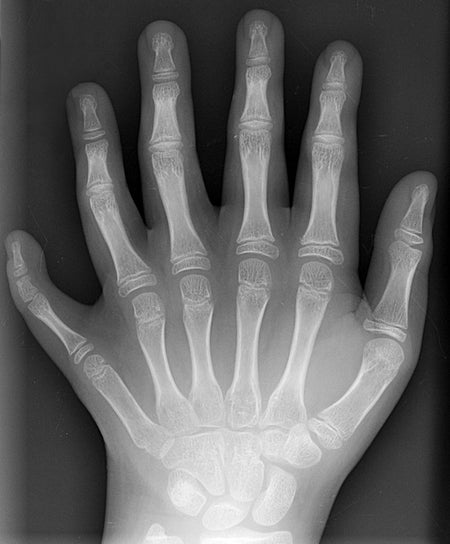
Studying the Superhuman
An examination of sixth fingers hints at what our body—and mind—is capable of

The History of Opium, Facing Up to Quantum Mechanics and Other New Science Books
Book recommendations from the editors of Scientific American

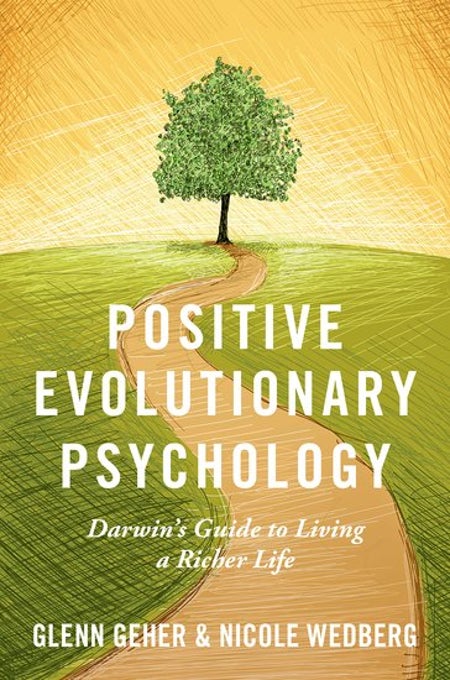
Toward a Positive Evolutionary Psychology
A new book integrates positive psychology and evolutionary psychology to help advance the human condition

Lab-Grown “Mini Brains” Can Now Mimic the Neural Activity of a Preterm Infant
The so-called organoids are not capable of complex thought but could be used to study neurological diseases

A Successful Artificial Memory Has Been Created
The growing science of memory manipulation raises social and ethical questions

New Insights into Self-Insight: More May Not Be Better
An innovative study technique yields surprising results that counter the popular idea that knowing yourself is good for you

Emotionally Extreme Experiences, Not Just “Positive” or “Negative” Experiences, Are More Meaningful in Life
Peak emotional experiences are the most meaningful ones in our lives

The Dawn of Self-Consciousness
A sudden moment of self-awareness in childhood propels people on a quest to explore life’s mysteries

Jacks-of-All-Trades Make the Grade
Journalist and author David Epstein talks about his new book Range: Why Generalists Triumph in a Specialized World.

Stare Down Gulls to Avoid Lunch Loss
Researchers slowed the approach of greedy gulls by an average of 21 seconds by staring at the birds versus looking elsewhere. Christopher Intagliata reports.