
OpinionNovember 6, 2019
Can Empathic Concern Actually Increase Political Polarization?
New research suggests that those who display the most concern for others are also the most socially polarized
Can Empathic Concern Actually Increase Political Polarization?
New research suggests that those who display the most concern for others are also the most socially polarized

Familiar Tunes Rapidly Jog the Brain
Within just a third of a second of hearing a snippet of a familiar refrain, our pupils dilate, and the brain shows signs of recognition. Christopher Intagliata reports.


“Cognitive Prosthesis” Enhances Productivity
A tool that helps to match immediate reward with long-term value motivated people to make better decisions and overcome procrastination

Deep Sleep Gives Your Brain a Deep Clean
Slow-wave activity during dreamless slumber helps wash out neural detritus
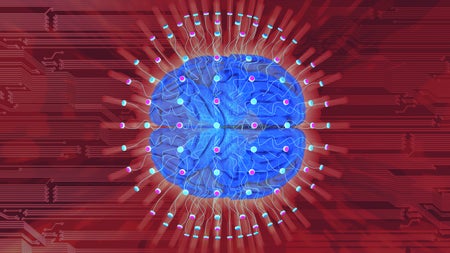
Scientists Demonstrate Direct Brain-to-Brain Communication in Humans
Work on an “Internet of brains” takes another step

Crabs Do a Maze
Green crabs learned to navigate a maze without making a single wrong turn—and remembered the skill weeks later. Christopher Intagliata reports.

Are You a Moral Grandstander?
New research suggests that moral grandstanding may be a major source of conflict in the world today

Dog Science Is Timeless
Seven ways science matters to dogs and the people who love them
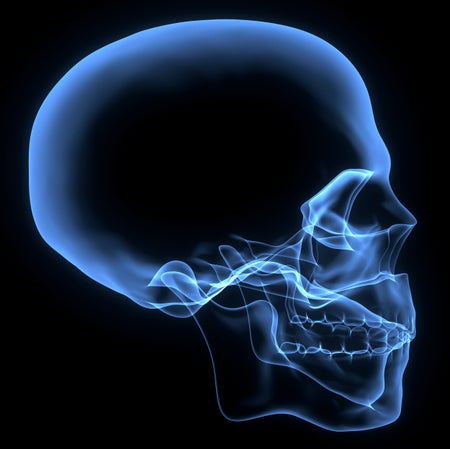
Your Skull Shapes Your Hearing
The resonant properties of your skull can amplify some frequencies and dampen others—and, in some cases, affect your hearing. Christopher Intagliata reports.
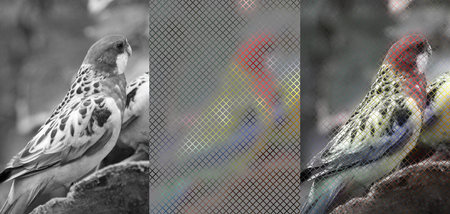
Chasing Rainbows
Black-and-white photos turn into Technicolor

On the Nature of Fear
Experts from the fields of human and animal affective neuroscience discuss their own definitions of fear and how we should study it
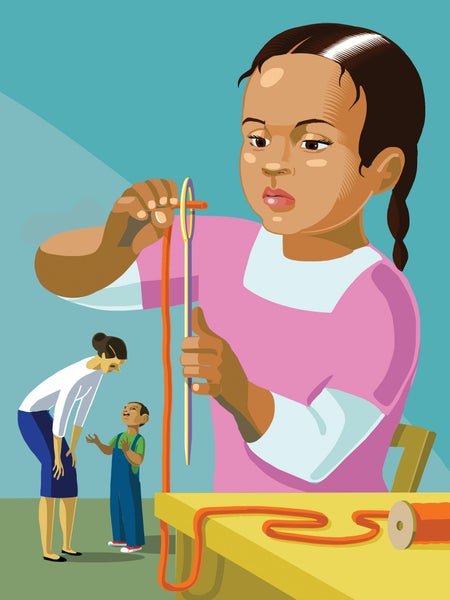
How to Prime Preschoolers for Success
The best programs teach kids language skills and focusing abilities through innovative, child-centered activities