ConservationOctober 27, 2020
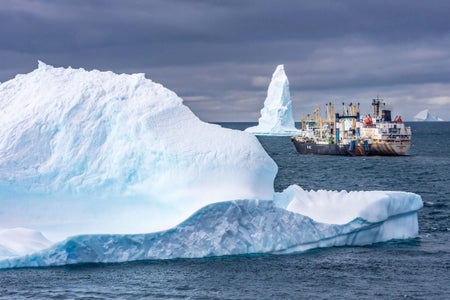
Double Whammy of Warming, Overfishing Could Spell Disaster for Antarctic Krill
Countries are debating proposed marine reserves that could help protect this key source of food for other species
Double Whammy of Warming, Overfishing Could Spell Disaster for Antarctic Krill
Countries are debating proposed marine reserves that could help protect this key source of food for other species

Beehives on a Cliff Wall Are Protected from Predators and Pesticides
A high mountain in China turns into a safe haven for the declining insects

River Ecosystem Restoration Can Mean Just Add Water
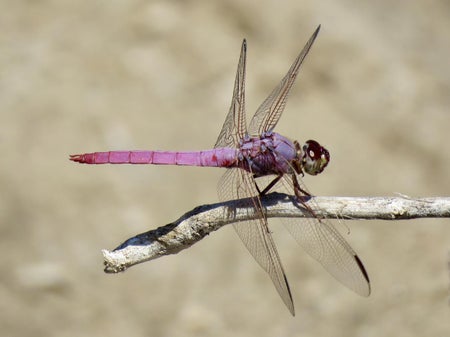
Planners returned water to the dry bed of Arizona’s Santa Cruz River in 2019, and various species began showing up on the same day.
Humans Make Wild Animals Less Wary
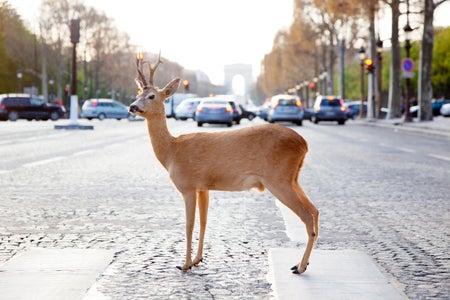
From mammals to mollusks, animals living among humans lose their antipredator behaviors.
Blue Whale Song Timing Reveals Time to Go
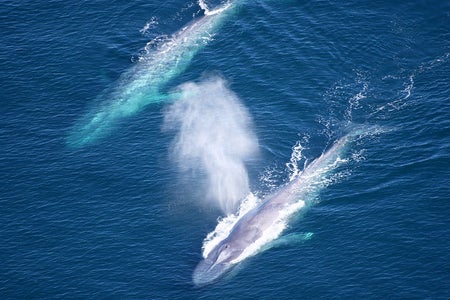
Blue whales off California’s coast sing at night—until it’s time to start migrating, and they switch to daytime song.
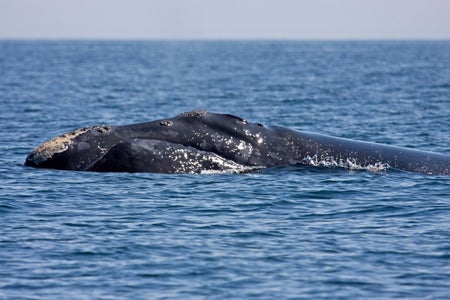
When Whales Stop Calling
Seismic surveys looking for oil and gas deposits are interfering with cetacean communication, likely stressing the marine mammals

An Ambitious Strategy to Preserve Biodiversity
The so-called 30 by 30 plan would protect 30 percent of U.S. lands and waters from development by 2030

Sloths Slowly Cavort by Day Now
The disappearance of their predators in a disturbed ecosystem has turned Atlantic forest sloths from night creatures to day adventurers.
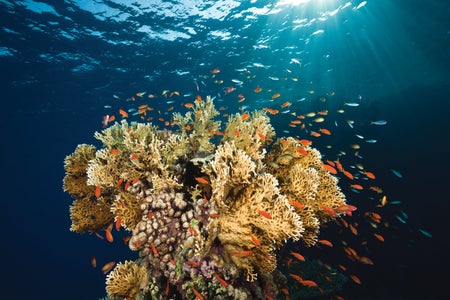
Rapid Heat-Stress Test Identifies Resilient Corals
A new method to measure corals’ heat tolerance on-site could speed up conservation efforts
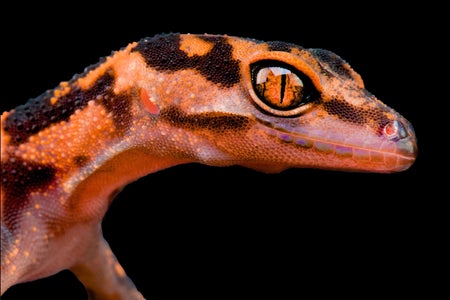
Online Reptile Trade Is a Free-for-All That Threatens Thousands of Species
More than one third of all reptile species, including highly endangered ones, are sold internationally, primarily as pets
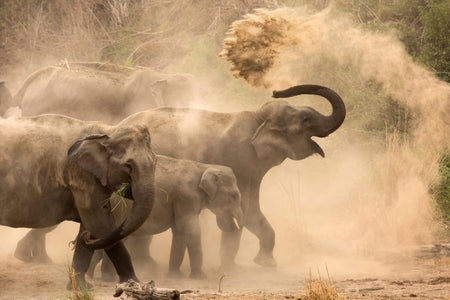
Squeezing the Elephant
The massive Asian version is running out of habitat, raiding farms, and killing the occasional human
Earthquake Sounds Could Reveal How Quickly the Ocean Is Warming
A new way of measuring the temperature of the seas could fill in gaps left by limited direct monitoring