CultureOctober 1, 2019
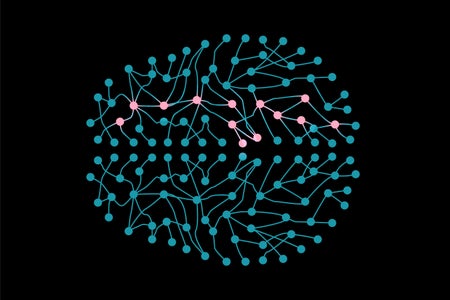
Creativity and AI: The Next Step
Combining two types of machine intelligence could open new frontiers of art
Creativity and AI: The Next Step
Combining two types of machine intelligence could open new frontiers of art

Musical Note Perception Can Depend on Culture
Western ears consider a pitch at double the frequency of a lower pitch to be the same note, an octave higher. The Tsimane’, an indigenous people in the Bolivian Amazon basin, do not.

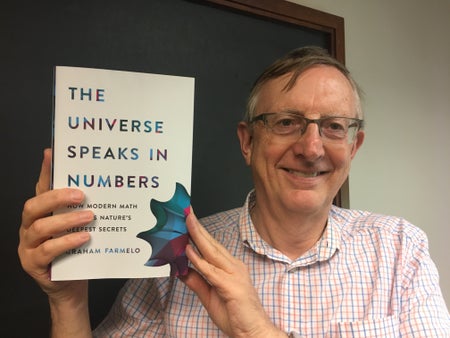
The Mathematical Language of Nature
Physics historian Graham Farmelo talks about his latest book, The Universe Speaks in Numbers: How Modern Math Reveals Nature's Deepest Secrets.

Pluralism: Beyond the One and Only Truth
Some big questions, such as how matter makes mind and what quantum mechanics means, may not have a single, definitive answer

The History of Opium, Facing Up to Quantum Mechanics and Other New Science Books
Book recommendations from the editors of Scientific American
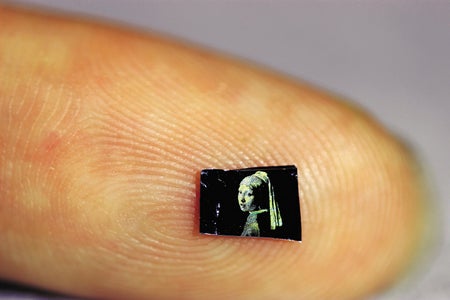
Tiny Paintings Draw Color from Microscopic Cracks
Scientists harness “structural color” to create images in plastic
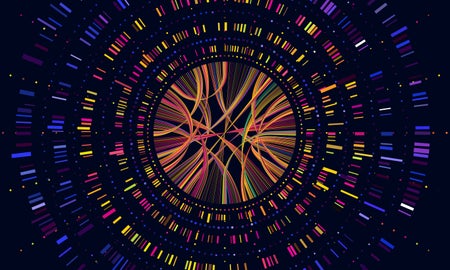
Including Indigenous Voices in Genomics
A program at the University of Illinois trains indigenous scientists in genomics—in hopes that future work will be aimed at benefiting those communities. Christine Herman reports.

West Point Uniforms Signify Explosive Chemistry
U.S. Military Academy cadets wear the colors black, gray and gold for reasons found in gunpowder’s chemistry.

Jacks-of-All-Trades Make the Grade
Journalist and author David Epstein talks about his new book Range: Why Generalists Triumph in a Specialized World.

Real Laughs Motivate More Guffaws
Honest, involuntary laughter cued people to laugh more at some really bad jokes than they did when hearing forced laughter.
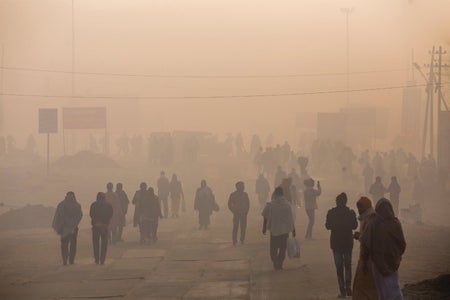
A Global Profile of Air Pollution, on the Frontlines of the Ebola Epidemic and Other New Science Books
Book recommendations from the editors of Scientific American
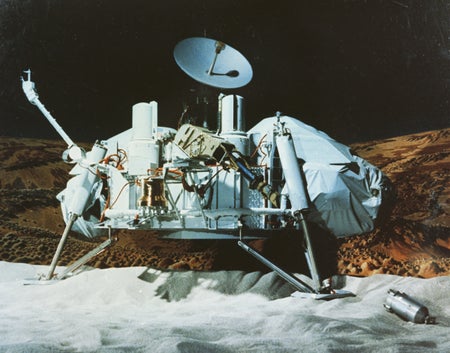
Why Two Moonships Were Better Than One
Engineer John Houbolt pushed for a smaller ship to land on the lunar surface while the command module stayed in orbit around the moon.