
MathematicsFebruary 7, 2026
What ‘6-7,’ demons and The Big Bang Theory tell us about prime numbers
Prime numbers have fascinated humankind for generations—here are three of the most intriguing primes
What ‘6-7,’ demons and The Big Bang Theory tell us about prime numbers
Prime numbers have fascinated humankind for generations—here are three of the most intriguing primes

Lost ancient Greek star catalog decoded by particle accelerator
Synchrotron radiation has revealed a star map made by the ancient astronomer Hipparchus that was thought to be lost to time

A bright light in the dark
The Nobel Prizes remind us how science can unite society and inspire hope for the future

The hidden threat eating away at museum treasures
Extremophile molds are invading art museums and devouring their collections. Stigma and climate change have fueled their spread
Readers respond to the October 2025 issue
Letters to the editors for the October 2025 issue of Scientific American

Humans Made Poisoned Arrowheads Thousands of Years Earlier Than Previously Thought
The use of poison on arrows marked a revolution in human hunting technology—new evidence suggests it happened tens of thousands of years earlier than previously known
Meet Your Plastic Pal
A new generation of household robots could change the way you live

Readers Respond to the September 2025 Issue
Letters to the editors for the September 2025 issue of Scientific American
Science Bleeds When It’s Cut
As funding dries up, researchers face setbacks that threaten innovation and public progress
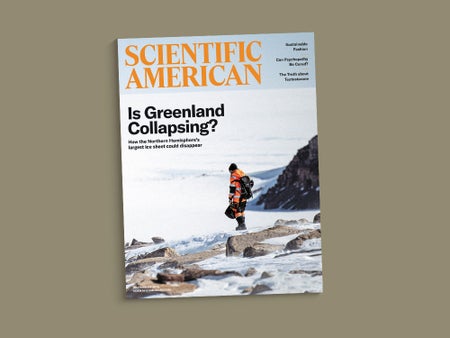
Readers Respond to the July/August 2025 Issue
Letters to the editors for the July/August Issue 2025 issue of Scientific American

The unlikely story of an e-mail time machine
Twenty years ago Forbes.com sent hundreds of thousands of messages to the future. Here’s what happened next

How to send a message to future civilizations
When written knowledge is more ephemeral than ever, how can we pass on what’s important?