EnvironmentAugust 18, 2015
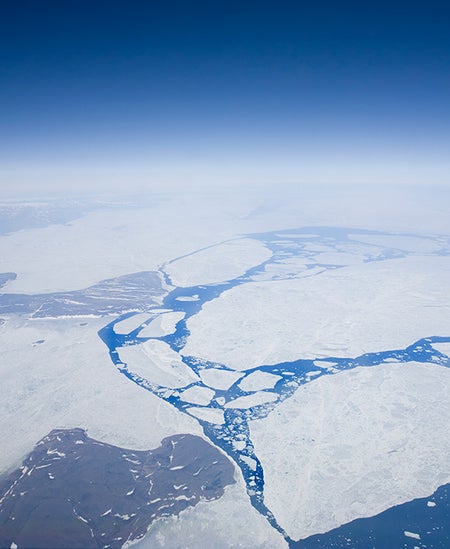
How Much Will Antarctica and Greenland Ice Raise Seas?
Calculating sea level rise from climate change Is a quirky, complex task
How Much Will Antarctica and Greenland Ice Raise Seas?
Calculating sea level rise from climate change Is a quirky, complex task

Invertebrates Are Forgotten Victims of "Sixth Extinction"
Some 95 percent of catalogued species in one family of Hawaiian land snails could already be extinct, and similar rates of invertebrate extinction could be happening around the world. Christopher Intagliata reports

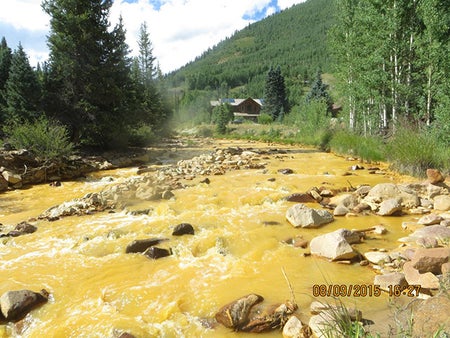
Colorado Mine Spill Aftermath: How to Clean a River
The EPA is now scrambling to mitigate the mess it created when agency workers inadvertently unleashed a pool of wastewater from an abandoned gold mine
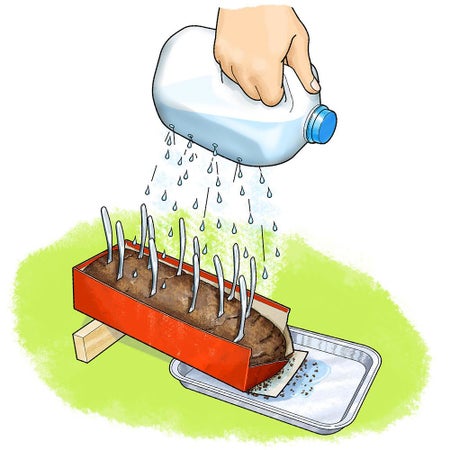
Can Plants Help Slow Soil Erosion?
A rainy science project from Science Buddies
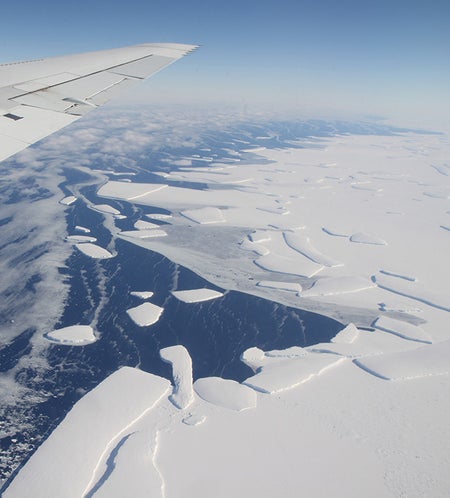
Melting Antarctic Glaciers Create Iron Hot Spots
Extra iron may help life in the ocean flourish
Bite Me: The Mutation That Made Corn Kernels Consumable
A single-point mutation in corn's ancestor teosinte got rid of the hard shell that used to encase every kernel
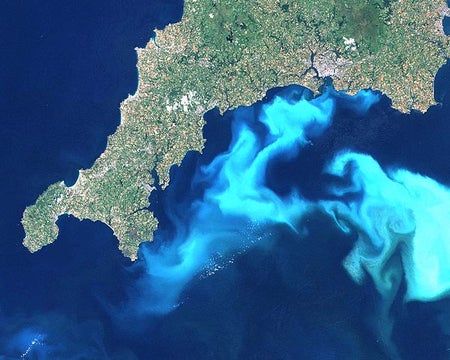
Massive Toxic Algae Blooms May Prove a Sign of Climate Change to Come
The blooms off the U.S. West Coast may become more frequent
Wastewater Spill from Colorado Gold Mine Triples in Volume
Some 3 million gallons of toxic wastewater have poured from a defunct Colorado gold mine into local streams since a team of EPA workers accidentally triggered the spill last week
Fish Slime Inspires New Eco-Sunscreen Ingredient
Researchers have developed a new ecofriendly sunscreen molecule that protects against both UV-A and UV-B rays, and could also be used to create more durable paints and plastics. Christopher Intagliata reports
EPA Team Spills Million Gallons of Waste Water into Colorado Rivers
A team of U.S. regulators probing contamination at a Colorado gold mine accidentally released a million gallons of orange-hued waste water containing sediment and metals into a local river system
Microbes Deep under Seafloor Reflect Ancient Land Origins
Microbes 2,500 meters below the seafloor in Japan are most closely related to bacterial groups that thrive in forest soils on land, suggesting that they might be descendants of ones that survived when their terrestrial habitat was flooded 20 million years ago
Killer Heat Grows Hotter around the World
Hot enough for you? This is just the beginning