EnergyNovember 13, 2020
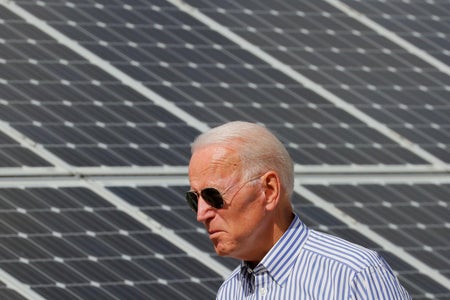
Biden and Electric Utilities Are Split on Emissions Goals
Though many power companies have set ambitious long-term targets, more immediate action is needed
Biden and Electric Utilities Are Split on Emissions Goals
Though many power companies have set ambitious long-term targets, more immediate action is needed

Birdlike Flight Formations Could Cut Airline Emissions
A bioinspired arrangement could save energy by allowing one plane to provide extra lift to another—if both aircraft can remain stable

Green Hydrogen Could Fill Big Gaps in Renewable Energy
A zero-carbon supplement to wind and solar

Election Science Stakes: Energy
Scientific American senior editor Mark Fischetti and associate editor Andrea Thompson talk about this election and the future of U.S. energy research and policy.
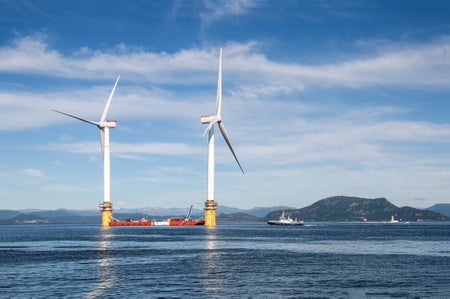
Floating Offshore Wind Turbines Set to Make Inroads in U.S.
These turbines can be used in deeper waters than existing ones, which opens more areas of the coast to wind power
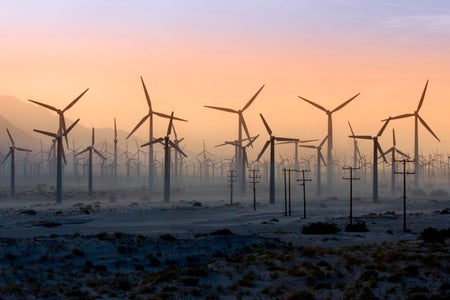
U.S. Wind and Solar Installations Are Smashing Records, but the Trend May Not Last
The renewable boom needs to continue in order to decarbonize the energy grid, but key tax incentives are ending
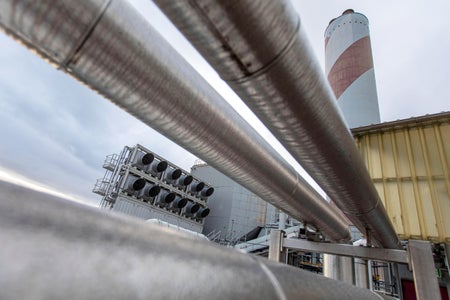
Researchers Urge Federal Moonshot for Clean Energy
The group has revealed a road map on accelerating government clean-tech investment for the next presidential administration
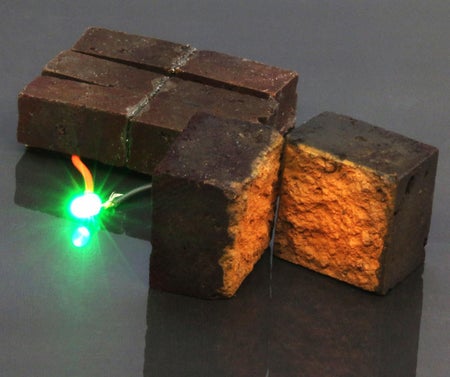
Bricks Can Be Turned into Batteries
Pumping cheap iron-oxide-rich red bricks with specific vapors that form polymers enables the bricks to become electrical-charge-storage devices.
First U.S. Small Nuclear Reactor Design Is Approved
Concerns about costs and safety remain, however
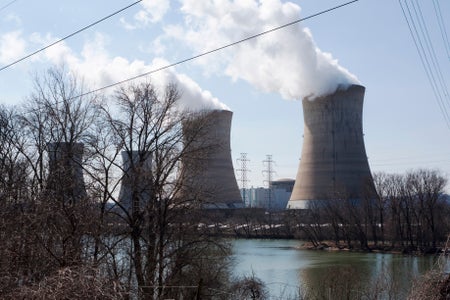
Mounting Climate Impacts Threaten U.S. Nuclear Reactors
Higher temperatures, rising flood risks and increased water stress mean facilities need to take additional resiliency measures
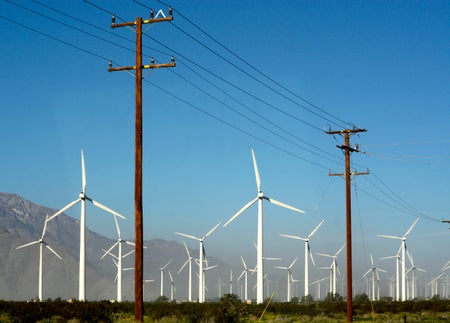
This Lab Aims to Prepare the U.S. Electricity Grid for a Climate Transformation
A new test bed at the National Renewable Energy Laboratory will explore ways to ease the shift to renewables and energy storage systems
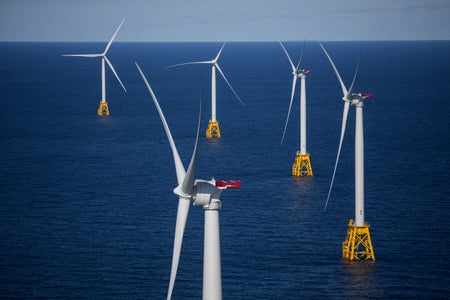
U.S. Offshore Wind Needs to Clear a Key Hurdle: Connecting to the Grid
A piecemeal approach risks overloading electrical systems and tangle of deep sea cables