FitnessJuly 24, 2019
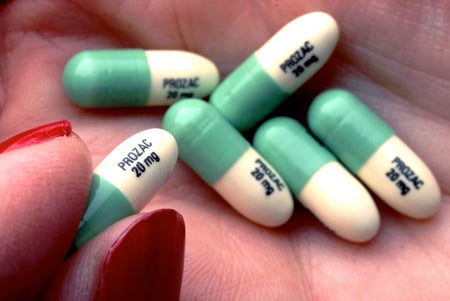
Can Psychiatry Heal Itself?
A Harvard historian urges psychiatrists to focus less on making money and more on helping patients
Can Psychiatry Heal Itself?
A Harvard historian urges psychiatrists to focus less on making money and more on helping patients
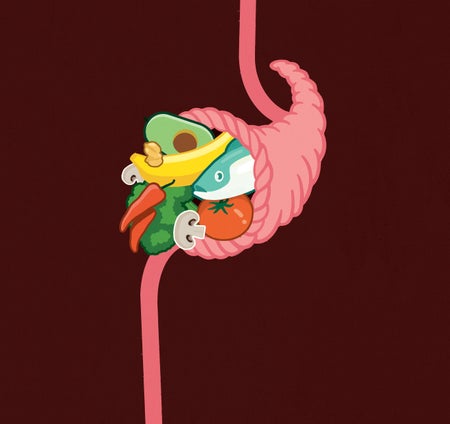
In Search of Satisfaction
Foods that are especially satiating can decrease hunger, reduce body fat and lower blood sugar

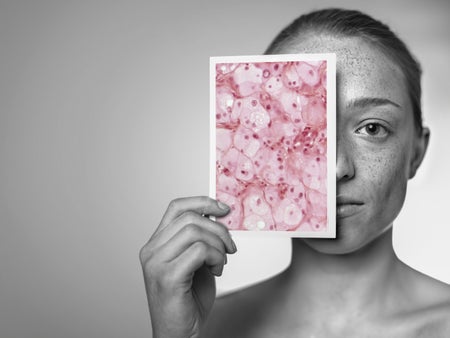
The Human Body Is a Mosaic of Different Genomes
Survey finds that “normal” human tissues are riddled with mutations
Anorexia May Be Linked to Metabolism, a Genetic Analysis Suggests
A large, correlation-based study identifies eight genome regions associated with the eating disorder
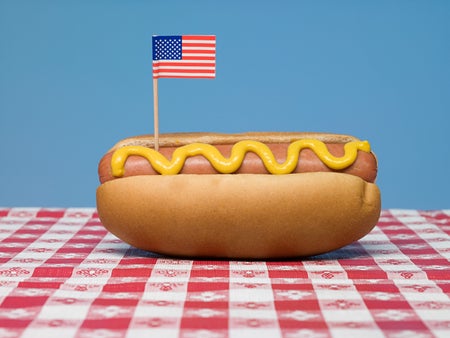
Some Hot Dog Histology
A lab analysis found that even an all-beef frankfurter had very little skeletal muscle, or "meat." So what’s in there? Christopher Intagliata reports.
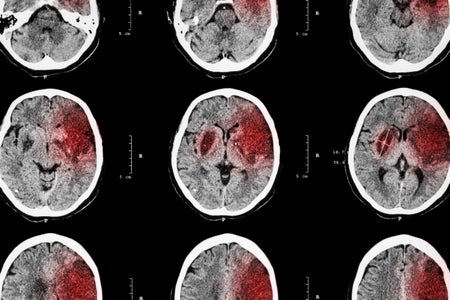
New Method for Tackling Stroke Restrains an Overactive Immune System
Shutting down an inflammatory molecule could potentially provide treatment days after onset

Mind and Body Benefit from Two Hours in Nature Each Week
People who spent at least two hours outside—either all at once or totaled over several shorter visits—were more likely to report good health and psychological well-being. Jason G. Goldman reports.
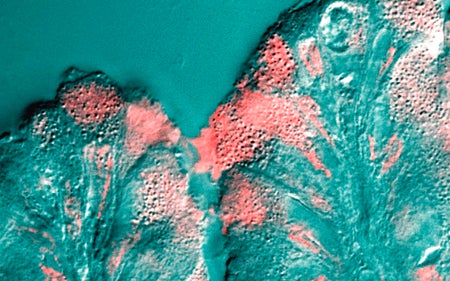
Mucus: The Body’s Unsung Hero
The slimy stuff has a surprisingly wide array of beneficial biological functions
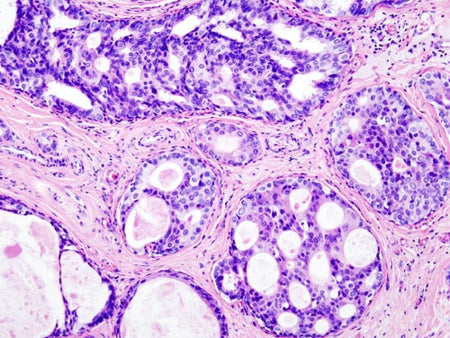
A Deeper Understanding of Breast Cancer
AI finds new insights into molecular tumor properties using images of cells and tissue
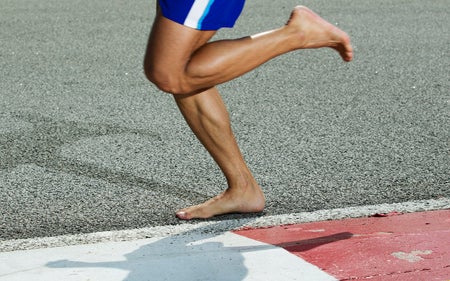
Going Barefoot Is Good for the Sole
Walking without shoes builds calluses, but that does not limit sensation
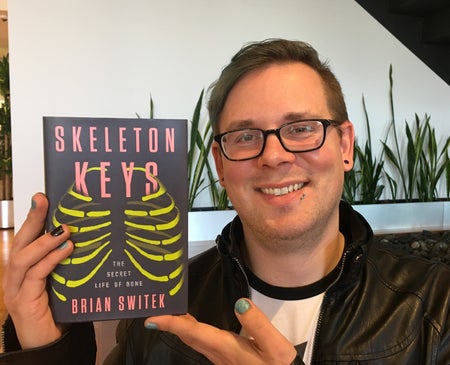
Bone Up on What’s Inside You
Author and self-described fossil fanatic Brian Switek talks about his new book Skeleton Keys: The Secret Life of Bone.

Elite Runners’ Microbes Make Mice Mightier
Mice that were fed bacteria isolated from elite athletes logged more treadmill time than other mice that got bacteria found in yogurt.