EvolutionMarch 1, 2011
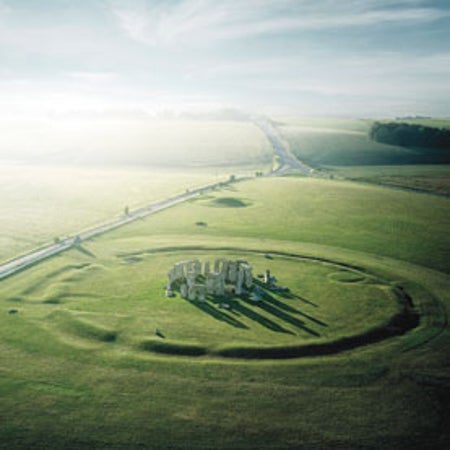
Putting Stonehenge in Its Place
An increasingly accepted view holds that the great stone circle may have been just part of a much larger ceremonial landscape

You are currently logged out. Please sign in to download the issue PDF.
Putting Stonehenge in Its Place
An increasingly accepted view holds that the great stone circle may have been just part of a much larger ceremonial landscape
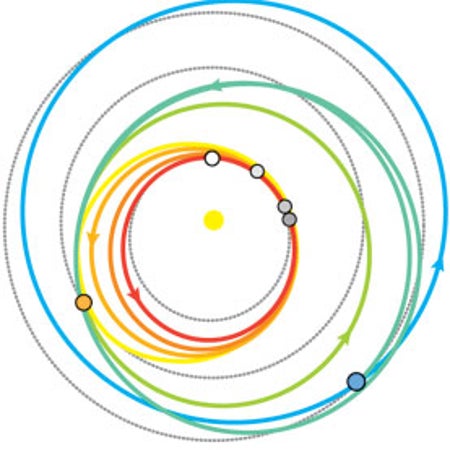
Journey to the Innermost Planet
Mercury has never been orbited by a spacecraft before. That will change this month

Not Just an Illness of the Rich: Tackling Cancer Globally
Recent global health campaigns have focused on HIV, tuberculosis and malaria. Tackling the growing threat from cancer, says medical anthropologist Paul Farmer, could improve health care more broadly

Signals in a Storm: Seeing Brain Cells Communicate
A new computer-imaging technique shows researchers how brain cells communicate—one molecule at a time

Diseases in a Dish: Stem Cells for Drug Discovery
A creative use of stem cells made from adult tissues may hasten drug development for debilitating diseases
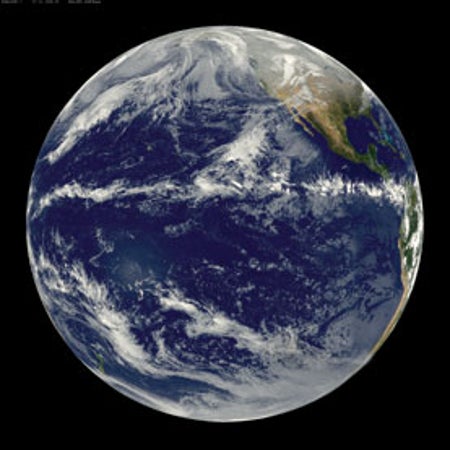
A Shifting Band of Rain
By mapping equatorial rainfall since A.D. 800, scientists have figured out how tropical weather may change through 2100

Demons, Entropy, and the Quest for Absolute Zero
A 19th-century thought experiment has turned into a real technique for reaching ultralow temperatures, paving the way to new scientific discoveries as well as to useful applications
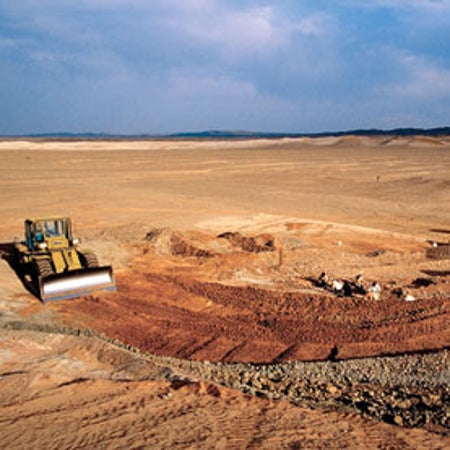
Dinosaur Death Trap: Gobi Desert Fossils Reveal How Dinosaurs Lived
On a trip to the Gobi Desert, a team of fossil hunters unearths a death scene that reveals new clues about how dinosaurs lived

The Neuroscience of True Grit
When tragedy strikes, most of us ultimately rebound surprisingly well. Where does such resilience come from?