The SciencesApril 26, 2018
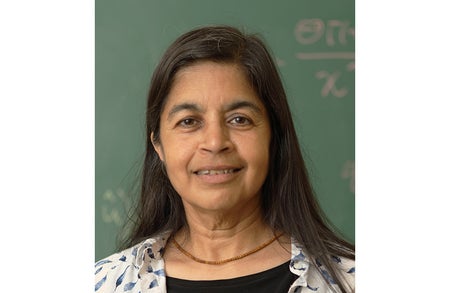
Nalini Joshi's Favorite Theorem
Talking time travel, complex analysis and Burmese food with a mathematician from the University of Sydney
Nalini Joshi's Favorite Theorem
Talking time travel, complex analysis and Burmese food with a mathematician from the University of Sydney
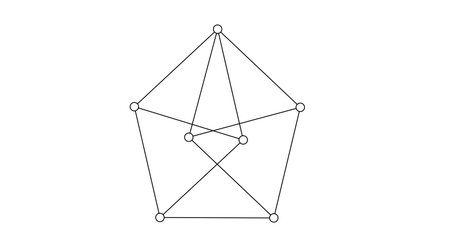
A Few of My Favorite Spaces: The Moser Spindle
A recent breakthrough in a decades-old graph theory problem relies on this little assembly of seven points and eleven edges


Jayadev Athreya's Favorite Theorem
The University of Washington mathematician talks trees, lattices and a plucky constant that seems to show up everywhere
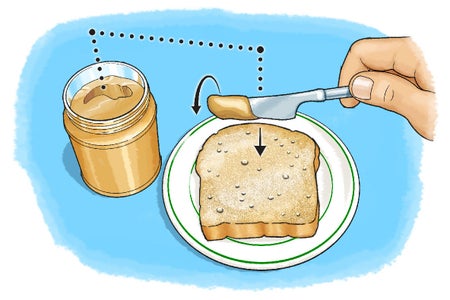
Robot, Make Me a Sandwich!
A surprisingly silly science activity from Science Buddies
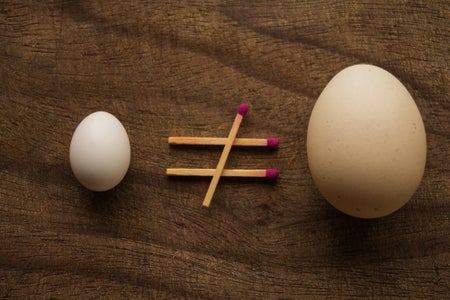
The Same, Only Different
A column about the surprising cultural, structural, philosophical, and mystical features common to mathematics and food
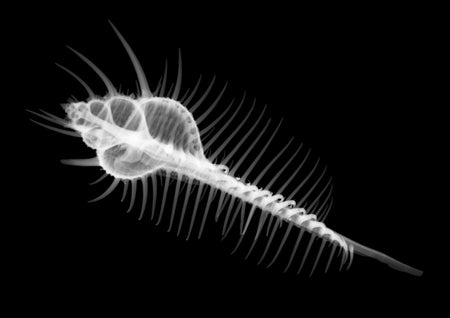
How Seashells Take Shape
Mathematical modeling reveals the mechanical forces that guide the development of mollusk spirals, spines and ribs
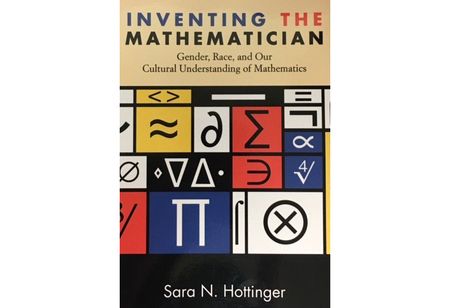
Review: Inventing the Mathematician
Sara N. Hottinger’s thoughtful book addresses Western cultural narratives about who does mathematics
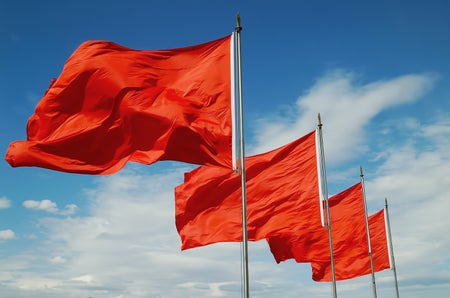
Harnessing the Invisible Power of “Flutter”
Understanding this type of instability can prevent catastrophic failures and help generate power

Math Cracks a Knuckle-Cracking Mystery
The source of knuckle cracking sounds is much debated—but new mathematical models may reconcile two opposing views. Christopher Intagliata reports.

Momentum Isn’t Magic—Vindicating the Hot Hand with the Mathematics of Streaks
Nearly every basketball player, coach or fan believes that some shooters have an uncanny tendency to experience the hot hand
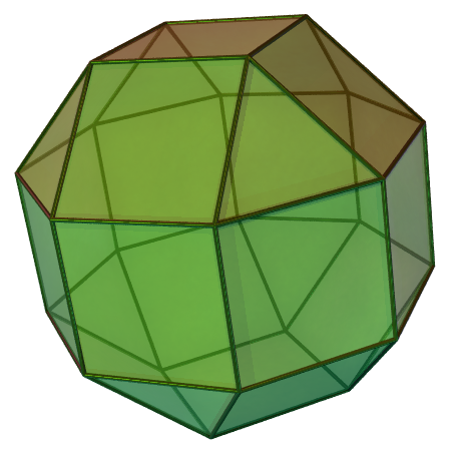
A Few of My Favorite Spaces: The Pseudo-Rhombicuboctahedron
The tortured psyche of a misunderstood solid
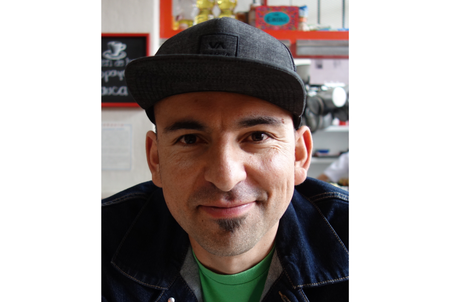
Federico Ardila's Favorite Theorem
An audio tour of matroid theory and music