MedicineDecember 20, 2019
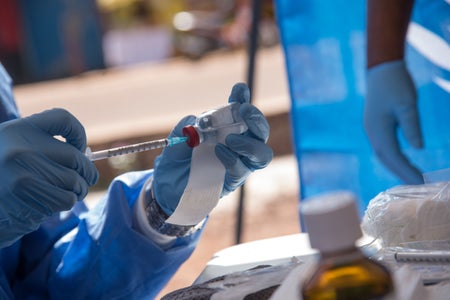
FDA Approves an Ebola Vaccine For the First Time
The first to be approved in the United States, the vaccine protects against the virus responsible for the current outbreak in the Democratic Republic of the Congo
FDA Approves an Ebola Vaccine For the First Time
The first to be approved in the United States, the vaccine protects against the virus responsible for the current outbreak in the Democratic Republic of the Congo
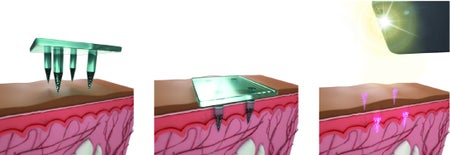
Invisible Ink Could Reveal whether Kids Have Been Vaccinated
The technology embeds immunization records into a child’s skin


Trump Administration Unveils Two Proposals to Permit Drug Importation
The proposals, which are still under review, are a step toward allowing drugs to be imported from Canada and other countries
MDMA Could Be Tailored to Make It More Suitable for Treating Mental Illness
A mouse study demonstrates it is possible to separate the substance’s ability to enhance sociability from its addictive potential
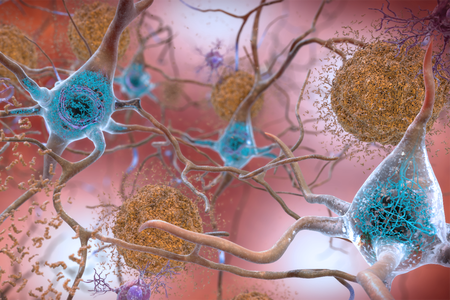
Reassessment of Alzheimer’s Drug Raises Hope—and Concerns
Will the benefits of aducanumab be enough to justify FDA approval, given its small benefit and high price?
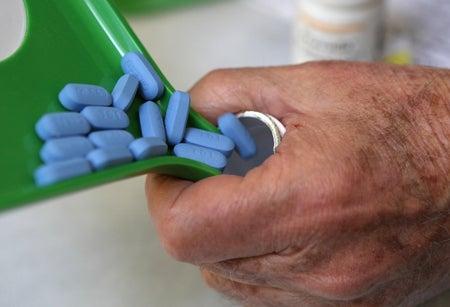
Trump Administration Program Will Provide HIV Prevention Drug for Free
The “Ready, Set, PrEP” program will provide donated drugs that could protect up to 200,000 people a year for 11 years
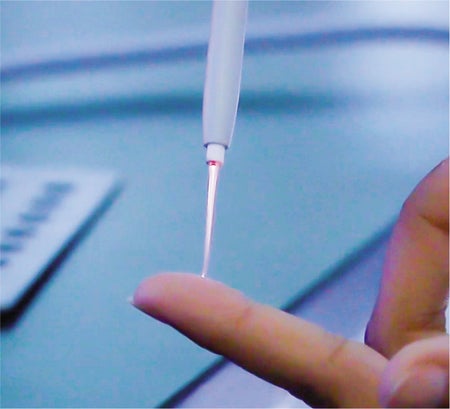
Plasma Scalpel Takes On Cancer
A new tool enters a pivotal pilot study
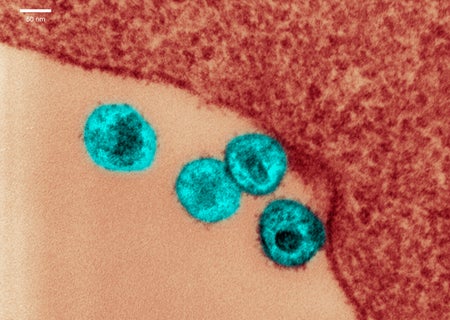
HIV-Positive Babies Fare Better When Treatment Starts at Birth
Although not practical in many areas, the approach reveals clues to how the immune system battles the infection

How a Billionaire Couple Greased the Skids for Nancy Pelosi’s Drug-Pricing Bill
Former Enron employee John Arnold and his wife Laura have financed much of the Democrats’ efforts to cut prescription drug costs

Some Relief for Test Anxiety Is Found in an Unusual Treatment
Students were given placebos and told they were placebos, yet the intervention helped

CDC Report Finds 35,000 Americans Die of Antibiotic-Resistant Infections Each Year
While the number of deaths has gone down since 2013, new infections—such as the deadly Candida auris—have appeared
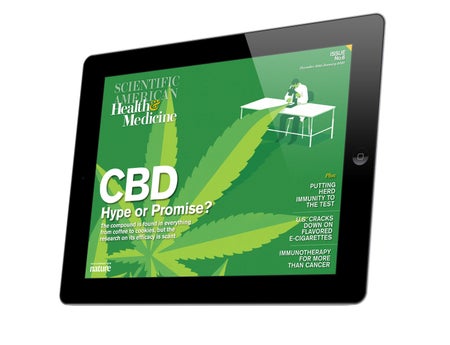
The Straight Dope on CBD
The compound is found in everything from coffee to cookies, but the research on its efficacy is scant