
IntelligenceJuly 16, 2024
See Why Everyone Gets the Monty Hall Puzzle Wrong
How to finally wrap your mind around the uniquely counterintuitive Monty Hall dilemma
See Why Everyone Gets the Monty Hall Puzzle Wrong
How to finally wrap your mind around the uniquely counterintuitive Monty Hall dilemma

Sex and Gender Map onto Different Brain Networks in Children
A preliminary study suggests that sex and gender are represented differently in the brain


Young Adulthood Is No Longer One of Life’s Happiest Times
The U-shaped curve that pegged youth and old age as the happiest times of life has changed

How to Reconnect with Old Friends Who Have Become Strangers
People are reluctant to reach out to friends they have lost touch with—but both sides are gratified when they reconnect

Phantom Costs Explain Why Some Deals Seem ‘Too Good to Be True’
Fear of phantom costs pushes us to avoid “free money” or “too good to be true” offers

Not Everyone Has an Inner Voice Streaming through Their Head
The extent to which people experience “inner speech” varies greatly, and the differences matter for performing certain cognitive tasks
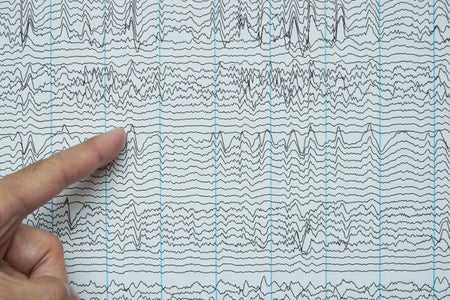
From Diagnosing Brain Disorders to Cognitive Enhancement, 100 Years of EEG Have Transformed Neuroscience
The EEG has shaped researchers’ understanding of cognition for everything from perception to memory
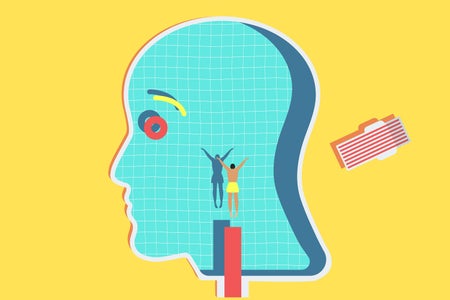
Summertime Sadness Could Be a Type of Seasonal Affective Disorder
Heat and mood are closely linked, which may explain summertime depression—and how to treat it
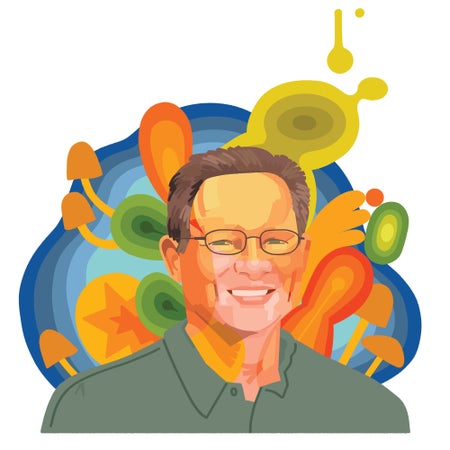
Is a Drug Even Needed to Induce a Psychedelic Experience?
A Stanford anesthesiologist deconstructs the component parts of what it means to undergo a psychedelic trip
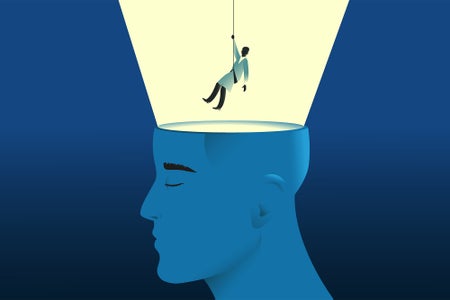
Why the Mystery of Consciousness Is Deeper Than We Thought
Despite great progress, we lack even the beginning of an explanation of how the brain produces our inner world of colors, sounds, smells and tastes. A thought experiment with “pain-pleasure” zombies illustrates that the mystery is deeper than we thought

Pupil Dilation Reveals Better Working Memory
People whose eyes dilated more performed better on tests of working memory

Societies with Little Money Are among the Happiest on Earth
Wealth and well-being go together in many studies, but certain communities complicate this link